
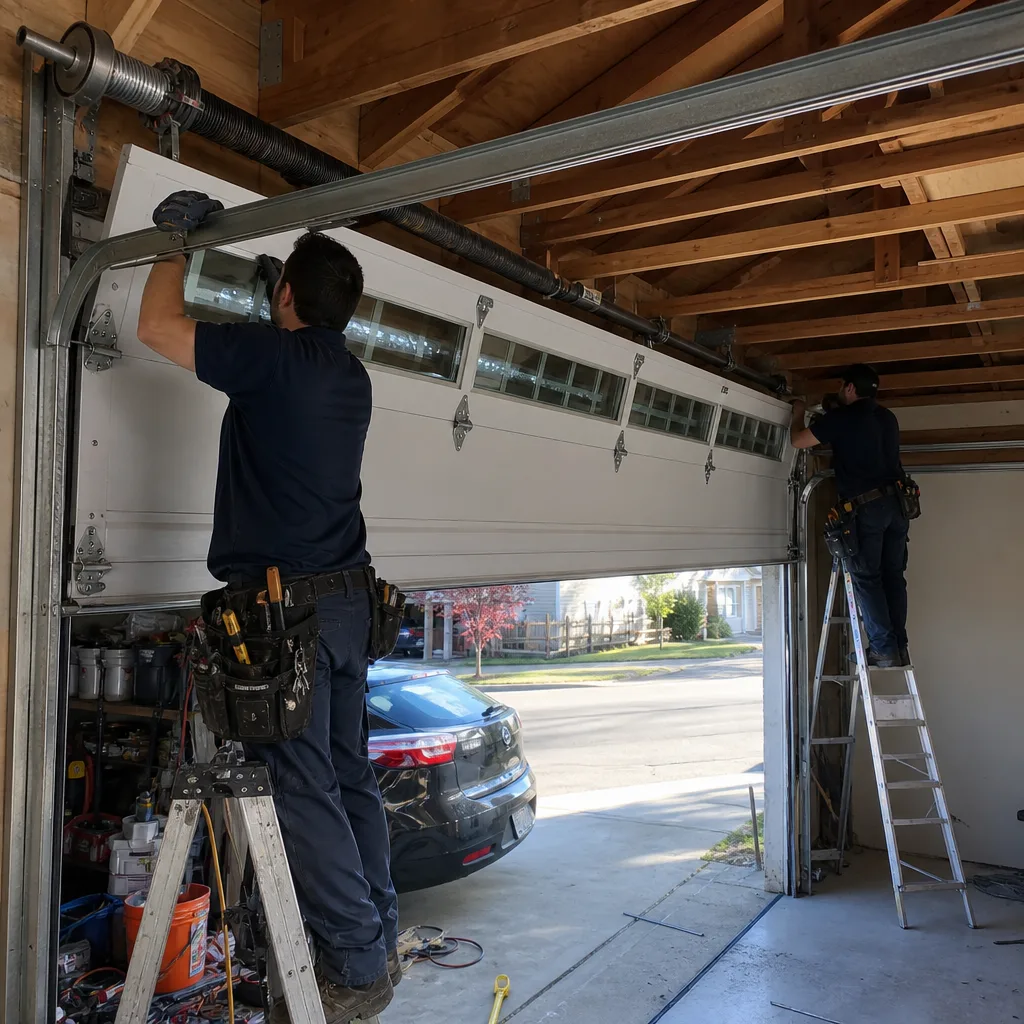
Last updated November 4, 2026
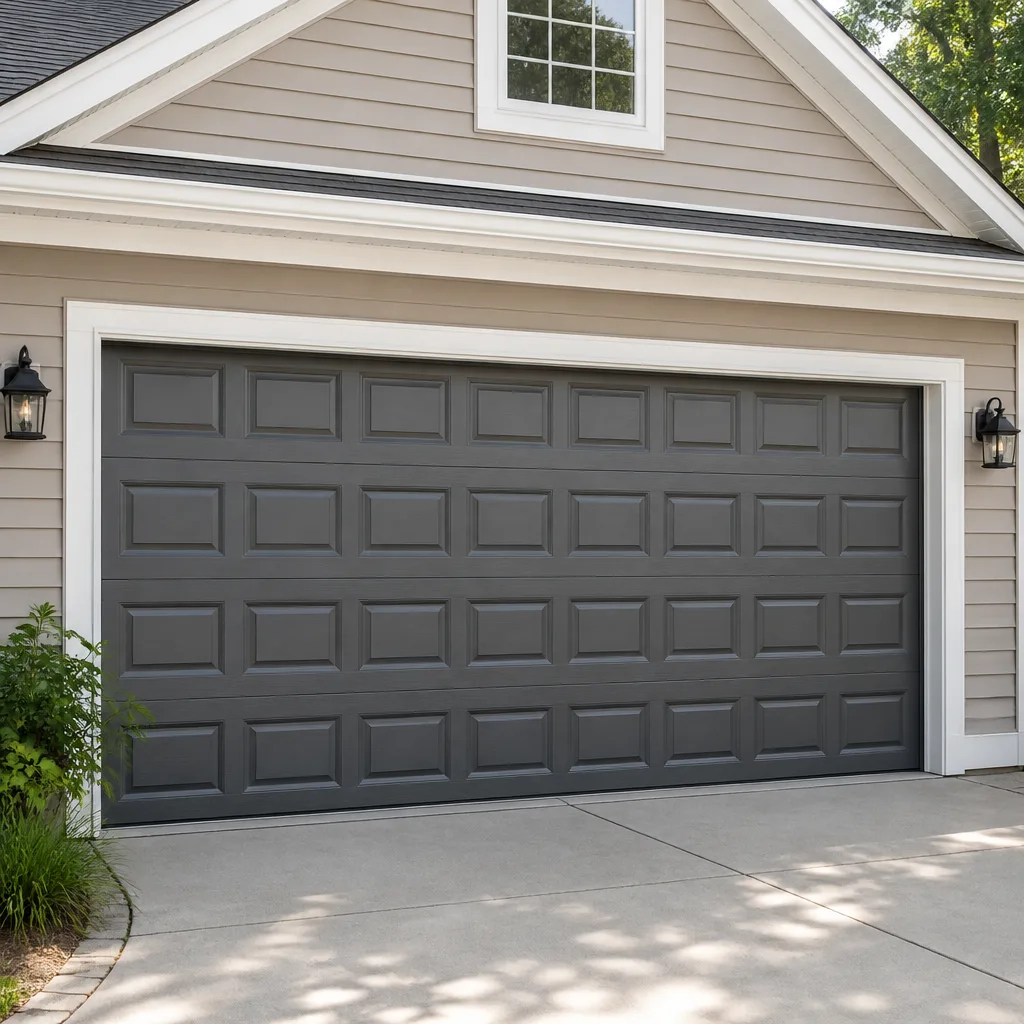 Raised-panel steel
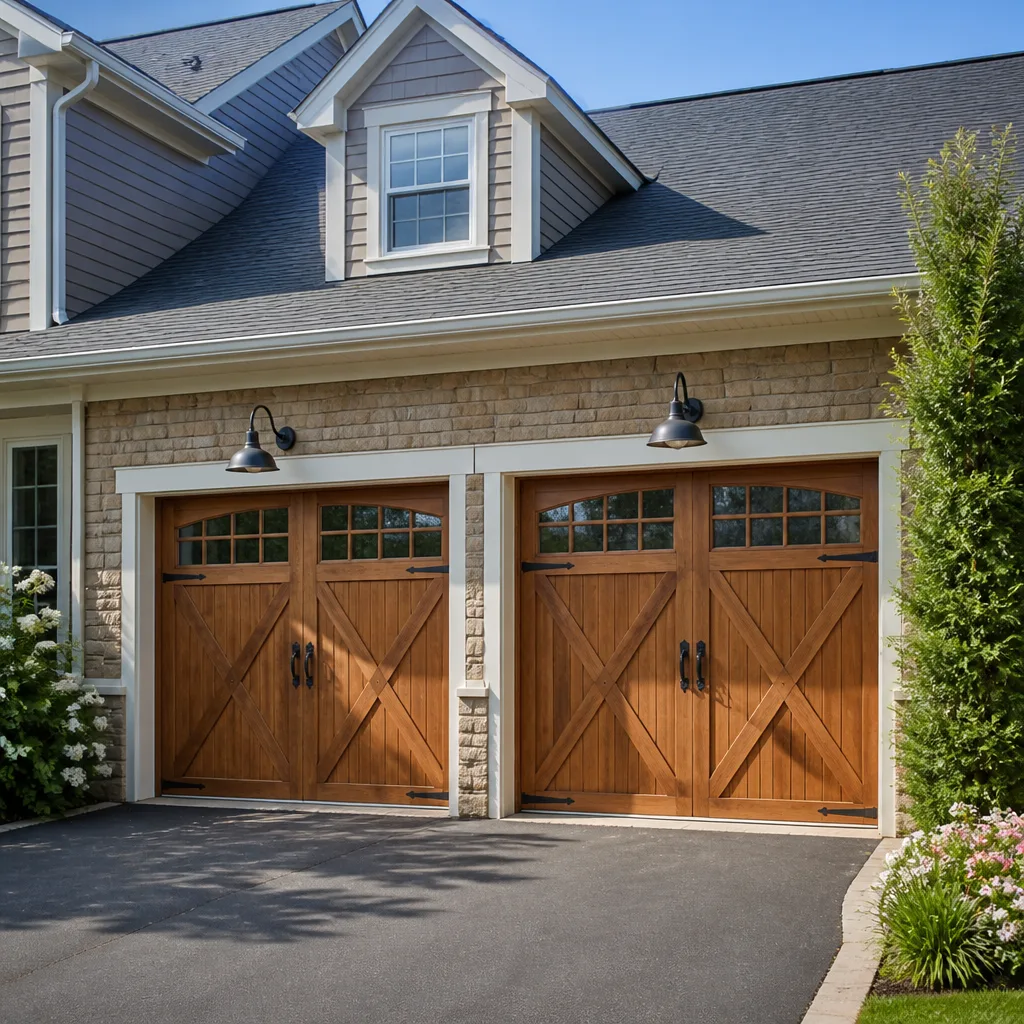 Carriage house
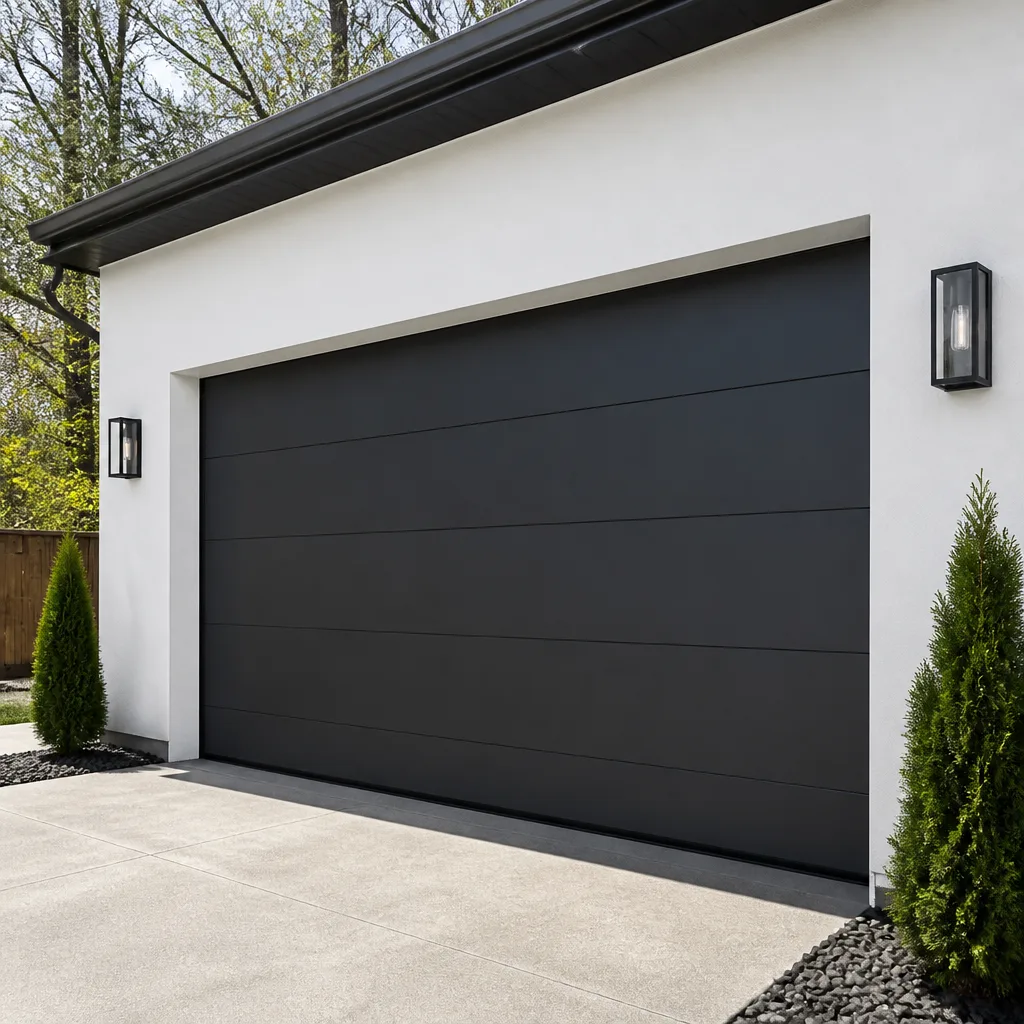 Modern flush
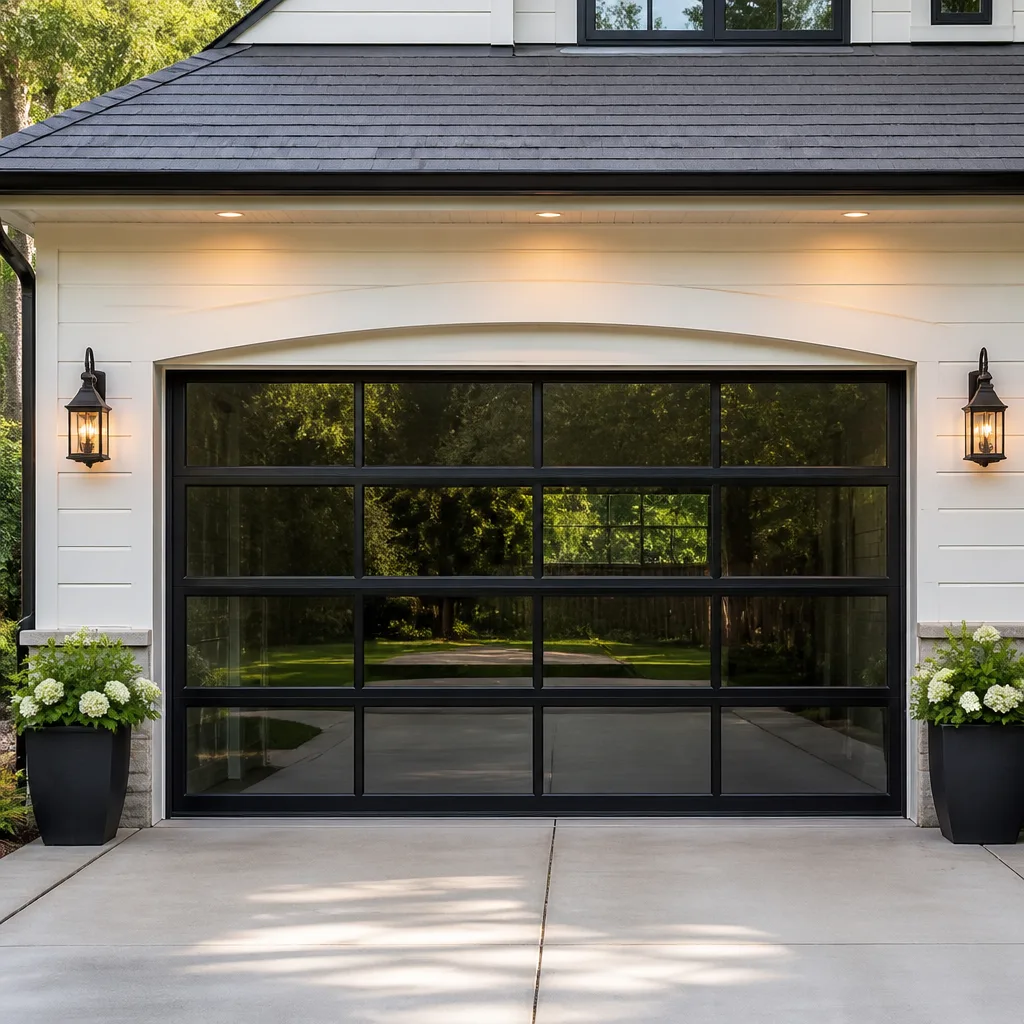 Full-view glass
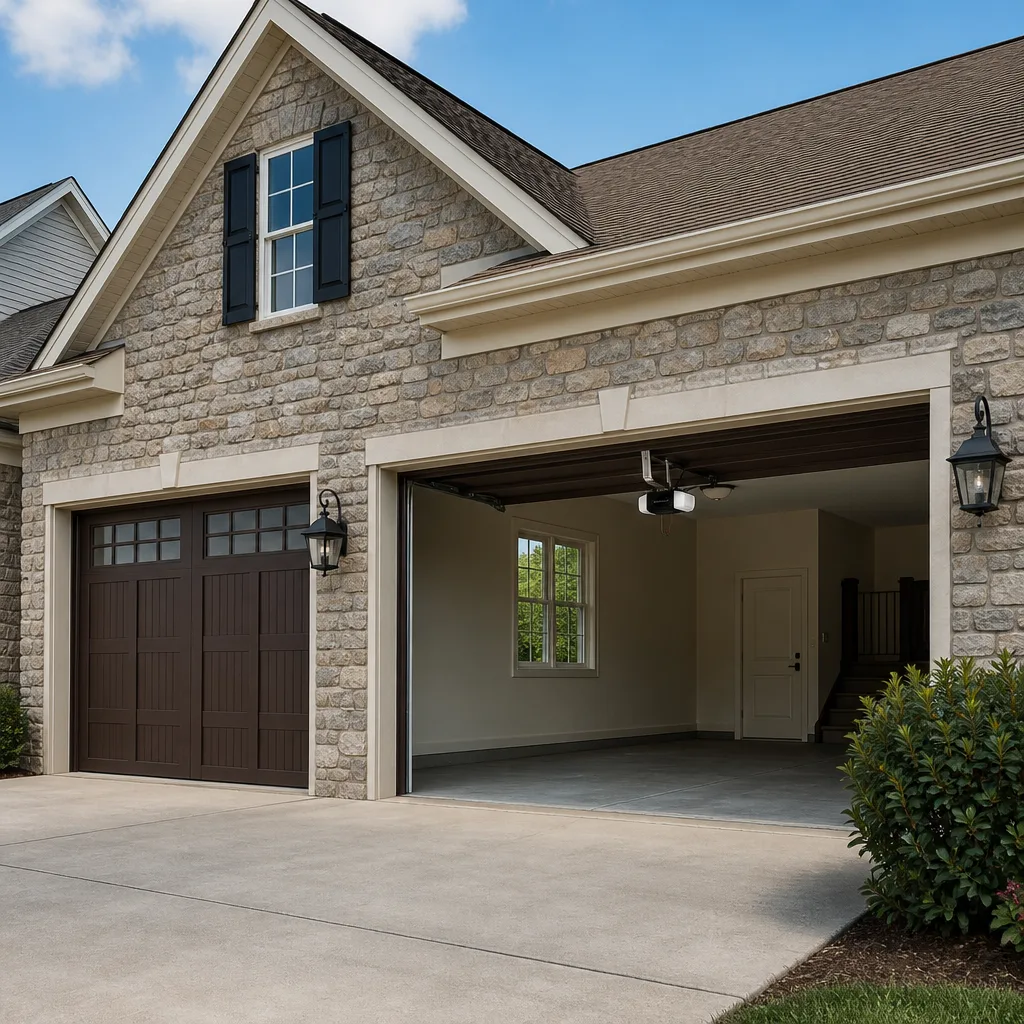 LiftMaster openers
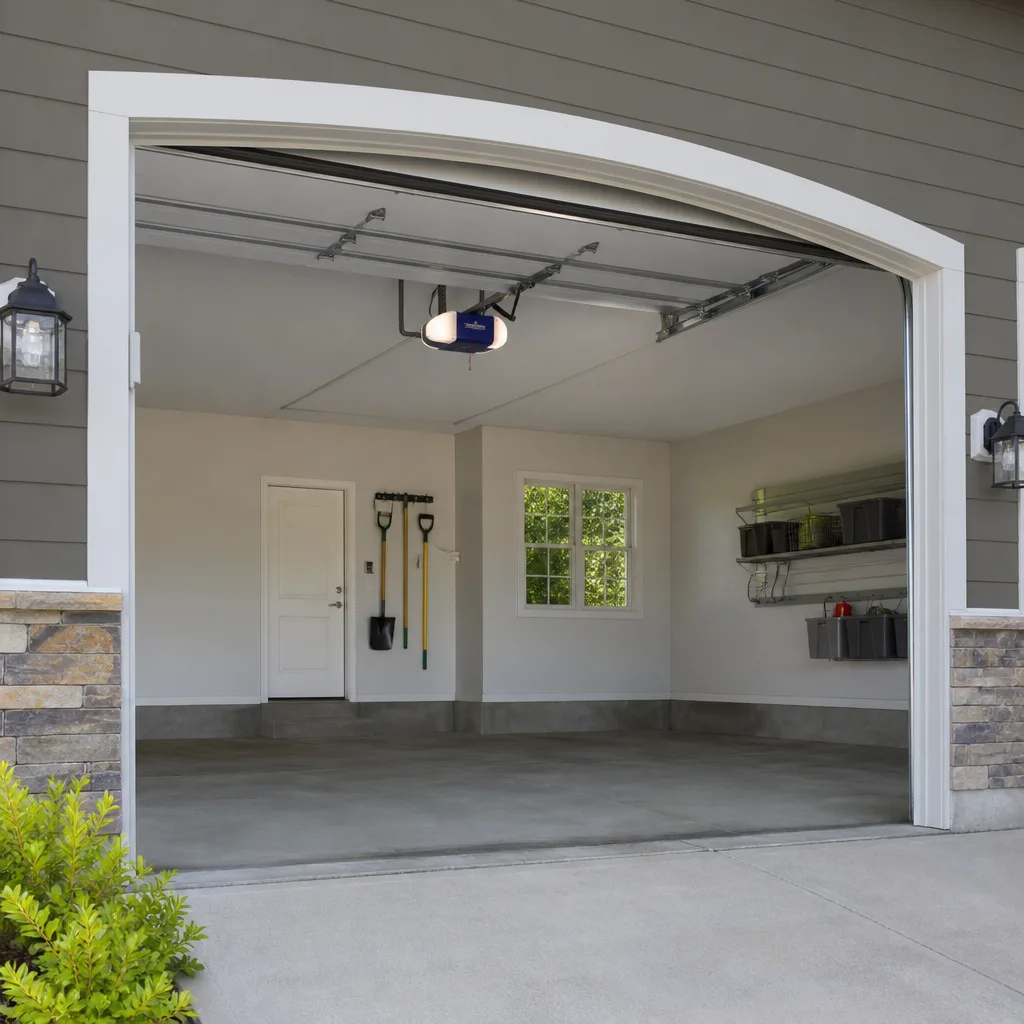 Chamberlain openers
Full 25-point door and opener safety check with every visit - springs, cables, rollers, tracks, and your LiftMaster or Chamberlain opener included
You get a price before we start. It does not change when the truck arrives.
Get your free estimateGarage Door Repair Maintenance Schedule: What to Do and When
If your maintenance schedule says “lubricate springs every six months,” it’s already wrong. A garage door used four times a day ages twice as fast as one used twice a day, and no calendar knows the difference. In Livermore, where summer heat bakes metal rollers and the wet winter months introduce rust and seal hardening, the right maintenance rhythm depends on how your door actually works, not on a date circled on a wall planner. This guide gives you a task calendar tied to real mechanical thresholds: cycle counts, seasonal shifts, and early-warning measurements you can take yourself. By the end, you’ll know exactly what to check monthly, what to lubricate (and what to leave alone), and when to call a professional instead of reaching for a wrench.
Quick Answer
A practical garage door maintenance schedule for Livermore homes combines a five-minute monthly owner check with lubrication every 3 – 4 months or roughly 1,000 cycles, plus a professional inspection once a year. Springs, cables, and rollers are scheduled by cycle count rather than calendar months, because a door used six times daily reaches wear thresholds twice as fast as one used three times daily. Seasonal tasks are simple: inspect rollers and seals after the dry summer heat, and check for track rust and weather seal hardening after the winter wet season.
Styles & brands we work with
- Raised-panel steel
- Carriage house
- Modern flush
- Full-view glass
- LiftMaster openers
- Chamberlain openers
Table of Contents
- The Cycle-Count Framework: Why Your Door Ages by Use, Not by Calendar
- The Five-Minute Monthly Owner Check
- Lubrication Spec Guide: What Gets What, and What Never Gets Lubricated
- Livermore Seasonal Tasks: Summer Heat and Winter Wet
- Early-Warning Metrics: Measuring Spring Gap, Cable Fray, and Roller Wobble
- The Annual Professional Inspection: What It Covers
- Common Mistakes to Avoid
- When to Call a Professional
The Cycle-Count Framework: Why Your Door Ages by Use, Not by Calendar
A cycle is one full open-and-close of the door. Every component on a garage door system has a rated cycle life: torsion springs are typically rated for 10,000 cycles, extension springs for 5,000 – 7,000, rollers for 10,000 – 15,000, and opener motors for 10,000 – 15,000 operations. The number that matters for maintenance is how many cycles your door accumulates in a year.
Here’s how to estimate it. A family with two working adults and two school-age kids might open the garage door twice in the morning (one car leaves, one car leaves), twice in the afternoon (kids come home, parent comes home), and once or twice more in the evening for errands or trash runs. That’s five to seven cycles a day, every day. At five cycles per day, a door accumulates 1,825 cycles per year. A family that works from home and barely moves the cars might do two cycles a day, or about 730 cycles annually. A household with a garage gym, a workshop, or a driveway that doubles as a play area can push eight to ten cycles a day, or 2,900 – 3,650 cycles a year.
The practical difference: a 10,000-cycle spring lasts about five and a half years at five cycles a day, but nearly eleven years at 2.5 cycles a day. That’s not a small difference. It’s why one Livermore neighbor replaces springs at year six while another doesn’t until year twelve, even though both doors were installed the same month. Your maintenance schedule should follow the high-use household’s timeline, not an average. If you use your door more than five times a day, treat every service interval as shorter than the common recommendation. If you rarely use it, you can stretch intervals slightly, but never skip the monthly visual check: idle doors develop their own problems, like flat spots on rollers and seals that crack in dry heat.
To set your own service intervals, count your cycles for one week, multiply by 52, and round up. For lubrication, plan every 1,000 cycles or every three to four months, whichever comes first. For a professional inspection, once a year regardless of cycle count is the right baseline, because there are failure modes that wear develops slowly but heat and moisture reveal seasonally. This cycle-count approach is the backbone of a schedule that actually reflects how your door ages in Livermore, not some national-average recommendation written for a climate thousands of miles away.
The Five-Minute Monthly Owner Check
This is the part of the schedule that keeps a small problem from becoming an emergency. It costs nothing, needs no tools, and takes about five minutes. The point is to spot changes before they become failures. Set a recurring phone reminder for the first Sunday of the month. Sundays work well because most people are home, the garage is quiet, and you can run the door a few times without rushing.
- Open the door halfway and let go. A balanced door stays put at the half-open position. If it creeps up or sinks down, the springs are losing tension and the opener is doing more work than it should. This is a one-minute test that tells you more about spring health than anything else you can safely do.
- Watch and listen while the door runs. A common sign of trouble is a rhythmic thump, a metallic ping, or a grinding sound. Ping noises often mean a roller bearing is dry. A rhythmic scrape can be a loose track bracket. If the door shakes at certain points in its travel, note where: it’s usually a roller starting to fail or an opener rail needing attention.
- Inspect the cables and springs by eye. Do not touch them. Look at the torsion spring above the door and the lift cables running along the sides. You’re looking for fraying (loose wire strands sticking out), rust streaks, or a visible gap opening in the spring coil. If a cable looks fuzzy or a spring looks like it’s pulling apart, stop using the door and call a professional.
- Check the weather seal along the bottom. In Livermore’s dry months, the rubber or vinyl seal can crack and harden. A flattened or split seal lets dust, leaves, and hot air into the garage. If it’s crumbling or leaving daylight under the door, it’s time to replace it.
- Test the auto-reverse safety system. Put a roll of paper towels on the floor under the door and close it. The door should reverse within two seconds of touching the roll. Then wave your hand across the photo-eye beam at the base of the tracks. The door should stop and reverse. If either test fails, disconnect the opener and use the door manually until it’s fixed.
This five-minute routine catches most of what a garage door repair professional sees on service calls: worn rollers, unbalanced springs, fraying cables, dried-out seals, and misaligned sensors. It won’t replace the annual professional inspection, but it dramatically reduces the chance of a surprise failure. If you find anything questionable, write it down and check it again next month. If it’s getting worse, schedule a service call before it becomes an emergency.
Lubrication Spec Guide: What Gets What, and What Never Gets Lubricated
Most generic maintenance guides get garage door lubrication wrong. They say “spray the springs” without specifying the product, or they tell you to grease parts that should stay dry. Here’s the actual spec, the same one we use on service calls in Livermore.
Use white lithium grease on these parts:
- Hinges: A thin film on the pivot points keeps them from squeaking and wearing.
- Roller bearings: Only if the rollers have exposed ball bearings. Nylon rollers with sealed bearings should not be greased at all.
- Opener rail: The rail that carries the opener carriage should get a light coat of lithium grease where the carriage slides. Not too much, or it collects dust.
Use silicone spray on these parts:
- Torsion and extension springs: A light coat of silicone on the coils prevents surface rust and keeps the spring from binding. Silicone does not attract dust, which is why we prefer it over oil-based products.
- Weather seal: A silicone spray keeps the bottom seal soft and flexible in dry heat. Apply it after you wash the seal with mild soap and let it dry.
- Track (not the rolling surface): A light silicone film on the outside of the track can prevent rust in winter. Never lubricate the inside face of the track where the rollers ride; it just attracts dirt.
Never lubricate these parts:
- Plastic or nylon gears inside the opener: These are designed to run dry. Lubricant accelerates wear and attracts grit.
- The belt on a belt-drive opener: The belt is engineered to run clean and dry. Grease degrades the rubber and collects abrasive dust.
- The photo-eye lenses: Wipe them with a dry cloth only. Lubricant or cleaner leaves a film that blocks or weakens the beam.
- Lock mechanisms: Use graphite powder if a lock feels stiff, never grease or silicone.
One more thing about lubrication: it does not restore a part that’s already worn. If a roller is wobbling, a spring is cracked, or a hinge is misshapen, no amount of lubricant fixes it. Lubrication is preventive. It keeps healthy parts healthy. It does not turn a failing part into a working one. If you’re not sure whether a part is worn or just dry, take a photo and show it to a professional before you spray.
Livermore Seasonal Tasks: Summer Heat and Winter Wet
Livermore’s climate shapes garage door wear in two distinct phases. June through September is dry and hot, with daytime temperatures regularly in the high 80s and 90s. December through February brings the wet season, with cooler air, higher humidity, and the occasional soaking rain. Each season produces its own failure patterns.
After the dry summer (September – October):
Hot, dry air thins lubricants and causes metal parts to expand and contract. Rollers can develop flat spots as their nylon tires harden in extended heat. Rubber seals, especially the bottom weather seal, lose flexibility and crack. The fix list for fall includes: inspect every roller for wobble or flat spots; test the bottom seal for tears and brittleness; re-lubricate springs and hinges with silicone and lithium grease; check the opener’s chain or belt tension, because extended heat can stretch both; and clean the track with a dry cloth to remove dust that accumulated over the summer.
Because Livermore gets so little summer rain, dust accumulates quickly. That dust mixes with grease and forms an abrasive paste on hinges and the opener rail. A fall cleaning prevents it from cutting into metal surfaces over the wet winter.
After the wet winter (March – April):
Winter moisture is the main source of rust in Livermore garages. Tracks can bloom with surface rust along their outer edges, door panels can develop rust spots where paint has chipped, and cables can show corrosion at their anchor points. The spring maintenance pass should include: wiping down tracks and repainting any chips on steel doors with touch-up paint before summer heat accelerates rust; inspecting cable anchor points and drums for corrosion; checking the weather seal for water staining or hardening, and replacing it if the winter moisture has left it stiff; testing the door’s balance again, because wet-weather swelling can shift panel weight; and listening for new squeaks after months of cooler, denser air.
If you do these two seasonal passes consistently, the monthly check becomes easier every time. You’ll already know what normal looks like for your door, and any change stands out immediately. For homeowners who want the full list in one place, many of our customers in Livermore keep a short checklist taped inside the garage cabinet.
Early-Warning Metrics: Measuring Spring Gap, Cable Fray, and Roller Wobble
You can track three failure signals on a garage door before they become emergencies. These are not complicated measurements, but they require you to look at the same parts every month and compare over time. Here’s exactly what to measure and what the thresholds mean.
Spring gap
A torsion spring is a coil wound tightly when new. As it ages and accumulates cycles, the coils begin to separate, and a visible gap opens. Use a ruler or a piece of cardboard marked with a pen. At the mid-point of the spring, measure the gap between two adjacent coils. A new spring shows no gap; the coils touch. A spring at 50 percent of its life may show a gap of 1/16 to 1/8 inch. A gap of 3/16 inch or more means the spring is nearing replacement, regardless of how recently it was installed. You don’t need calipers. A simple eyeball comparison month to month will show you whether the gap is growing.
Cable fraying
Lift cables are braided steel, and they fail by shedding individual strands before they snap. Look at the cable where it meets the bottom bracket and where it wraps onto the drum. If you can see any strand poking out, any fuzziness along an otherwise clean line, or any kink where the cable has jumped a groove, the cable is on its way out. A single frayed strand can still hold tension, but it’s a warning. Replace the cable before it snaps under load, because a snapped cable can send the door crashing down off-center. Do not touch the cable. Look only.
Roller wobble
With the door closed, stand inside the garage and look sideways at each roller. A healthy roller spins straight and sits evenly in the track. A failing roller wobbles side to side as the door moves, leaves uneven black wear marks inside the track, or produces a rhythmic clacking sound. You can also wiggle the roller with a gloved hand when the door is down; more than a quarter inch of side play means the bearing is wearing out. Nylon rollers with sealed bearings wear silently longer, then fail suddenly, so the visual check matters even if the door runs quietly.
If you notice any of these signs, don’t wait for the next scheduled maintenance. For garage door repair, catching a spring, cable, or roller early means a $150 – $350 part replacement instead of a full panel and track repair after a failure. The written estimate sets the price before any work starts, so there’s no surprise on the invoice.
The Annual Professional Inspection: What It Covers
Once a year, have a professional walk the entire system. The annual inspection is not oil-and-check. A thorough one covers every load-bearing component, every safety input, and every adjustment point. Here’s the full 12-point checklist we perform on a residential door, and what each item reveals.
- Spring condition and balance: Check coil gap, rust pitting, and whether the door balances at half-open. Torsion spring replacement is typically $180 – $340 per spring, with both springs usually replaced as a matched set.
- Cable condition and drum alignment: Inspect for fraying at anchor points and check that cables wrap evenly on the drums. A cable replacement is typically $120 – $220 per cable.
- Roller condition: Check every roller for wobble, flat spots, and bearing wear. Roller replacement is typically $12 – $30 per roller plus labor.
- Hinge and bracket inspection: Tighten loose bolts, look for cracking at hinge mounts, and lubricate pivot points. Hinge replacement is typically $30 – $70 per hinge.
- Track alignment: Confirm vertical and horizontal track sections are plumb and parallel, with no gaps at the joints. Track adjustment is typically $90 – $180.
- Opener drive check: Test chain or belt tension, inspect the gear and sprocket for wear, and check the carriage for smooth travel. Opener repair work varies widely, from $110 for a sensor replacement to $280 – $480 for a motor or gear replacement.
- Safety system test: Run the auto-reverse test with a roll of paper towels and check the photo-eye beam alignment and lens condition.
- Weather seal inspection: Check the bottom seal for cracking and the side and top seals for gaps. Weather seal replacement is typically $80 – $160 installed.
- Panel condition: Inspect for dents, rust, and fastener pull-through at the panel edges. Panel replacement for a single steel panel is typically $250 – $450.
- Balance after lubrication: Re-check the door balance after greasing. Sometimes a door that balanced fine dry shows a slight spring weakness once components move freely.
- Opener force and limit settings: Verify the opener stops when it meets resistance and opens to the correct full height, then adjust the settings as needed.
- Fastener torque check: Check every bolt, nut, and lag screw on the tracks, brackets, and spring anchor plates.
An inspection like this takes about 45 to 60 minutes. You can do items 1 through 8 visually on your own, but the last four require tools, trained ears, and experience with specific brands. Our team works across LiftMaster, Chamberlain, Genie, Clopay, Amarr, Wayne Dalton, Craftsman, and Raynor, so the opener force settings and spring specs are checked against the manufacturer’s numbers, not a generic guess. That factory familiarity matters on openers with brand-specific travel limits and on Clopay and Amarr doors with proprietary hinge patterns.
Common Mistakes to Avoid
- Lubricating on a calendar instead of by cycles. A door used six times a day in a busy Livermore household needs lubrication twice as often as a door used three times a day. Calendar-based reminders ignore the actual wear rate. Track your cycles and lubricate at 1,000-cycle intervals.
- Greasing the track’s rolling surface. Grease on the inside face of the track collects abrasive dust and makes the door run worse. The track’s rolling surface should stay clean and dry.
- Spraying the springs with WD-40. WD-40 is a penetrant and water displacer, not a long-term lubricant. It thins and runs off quickly, leaving the spring with less protection than it had. Use silicone spray instead.
- Skipping the balance test. An unbalanced door makes the opener work harder, doubling the wear on the opener gear and shortening the life of the springs. The half-open balance test takes one minute and tells you more than any other single check.
- Ignoring a frayed cable because “it still works.” A cable sheds strands gradually, then fails suddenly under load. One snapped cable can twist the door off its tracks and cause serious damage or injury. See fraying, schedule replacement.
- Failing to test both safety systems. The photo-eye test and the auto-reverse test are independent. A door can pass one and fail the other. Test both every month.
- Attempting to adjust or replace torsion springs yourself. A torsion spring under tension stores enough energy to cause serious injury or death. This is the one repair on the door that should never be DIY, no matter how many YouTube videos show otherwise. Leave spring work to trained professionals.
When to Call a Professional
Some maintenance tasks are owner-level. Others are not. Replace a weather seal, lubricate hinges, clean photo-eye lenses, tighten a loose track bolt. Call a professional for any spring work, cable replacement, roller replacement that requires unfastening cables, track realignment, opener motor or gear replacement, or anything involving the door’s balance. If the door slams down from the open position, if a spring snaps while you’re nearby, or if the door comes off its track, stop using the automatic opener and move the door to the closed position only if you can do so safely by hand. Garage Door Repair Livermore offers free estimates in Livermore. Call (833) 593-6272. We answer 24/7. Fast dispatch from 7am to 7pm, Sunday through Friday.
See the difference
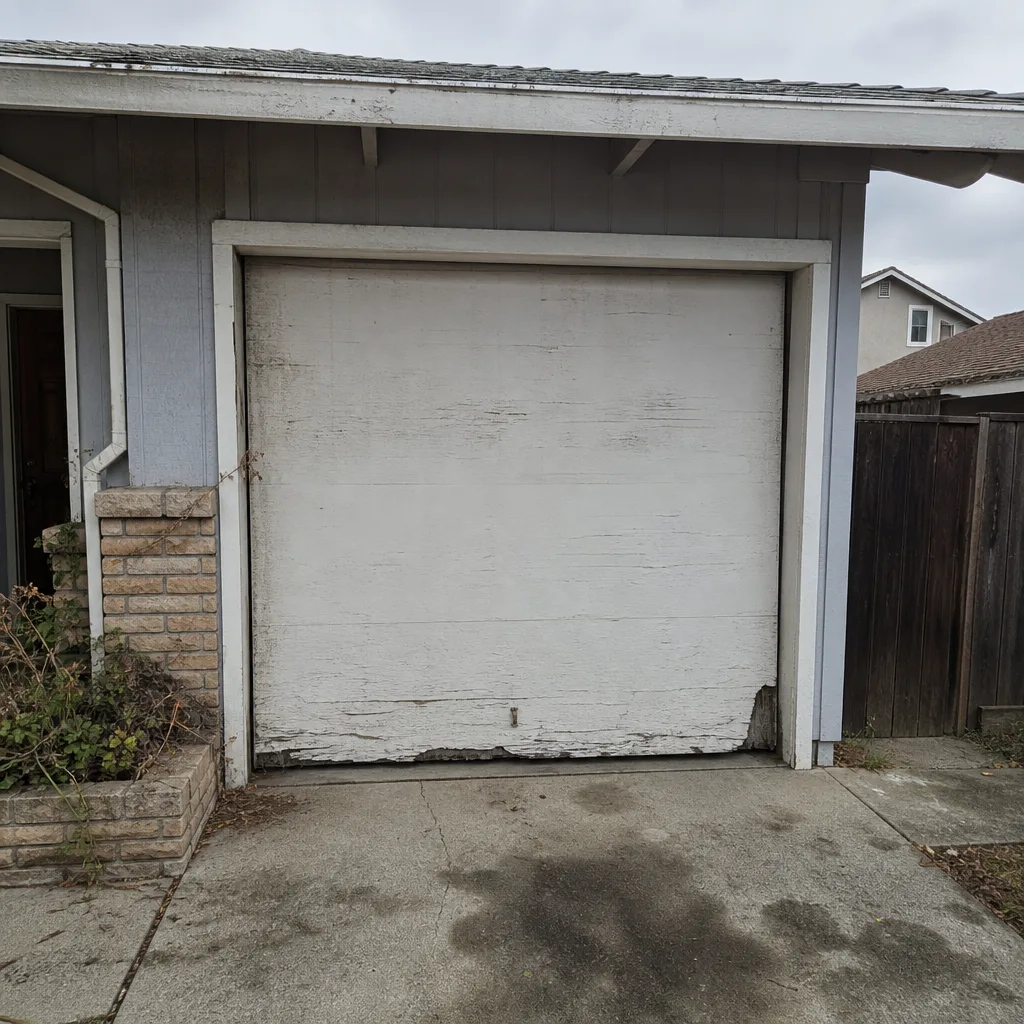 Before
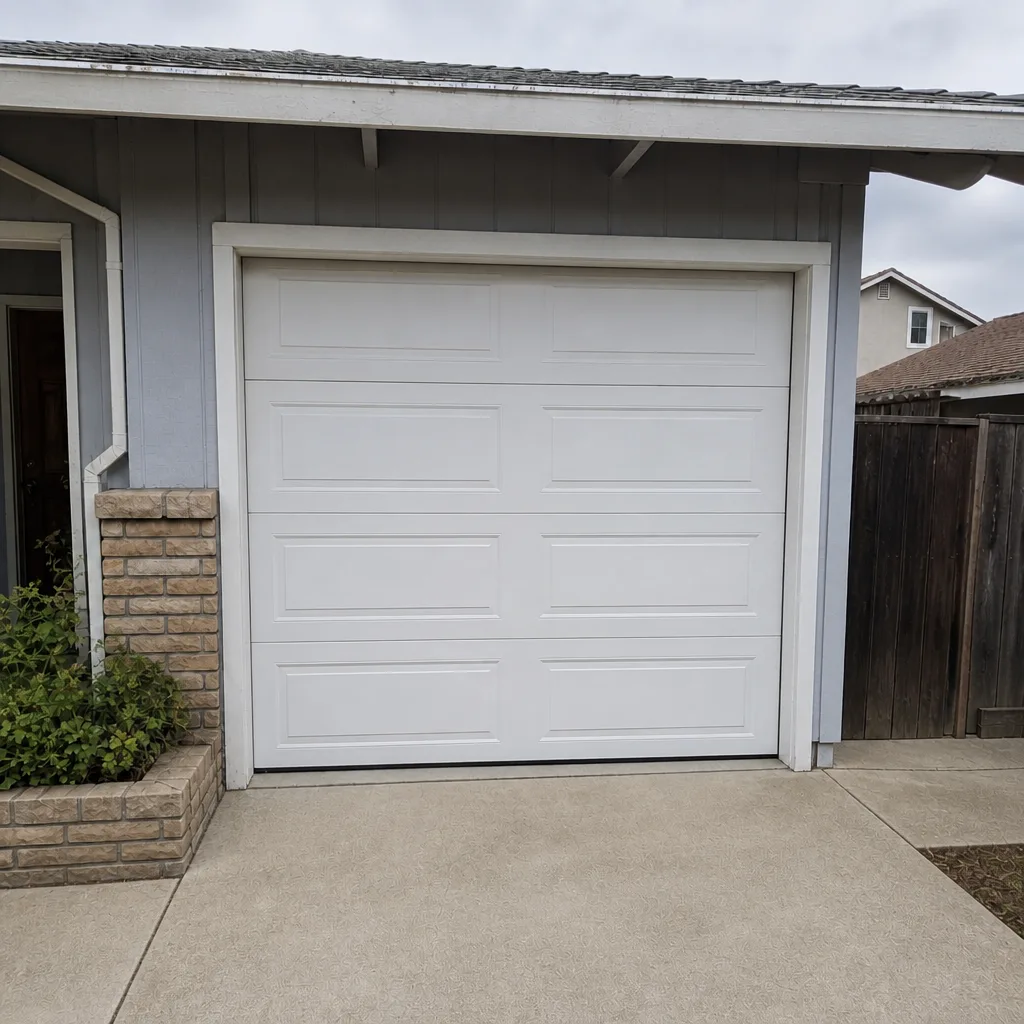 After
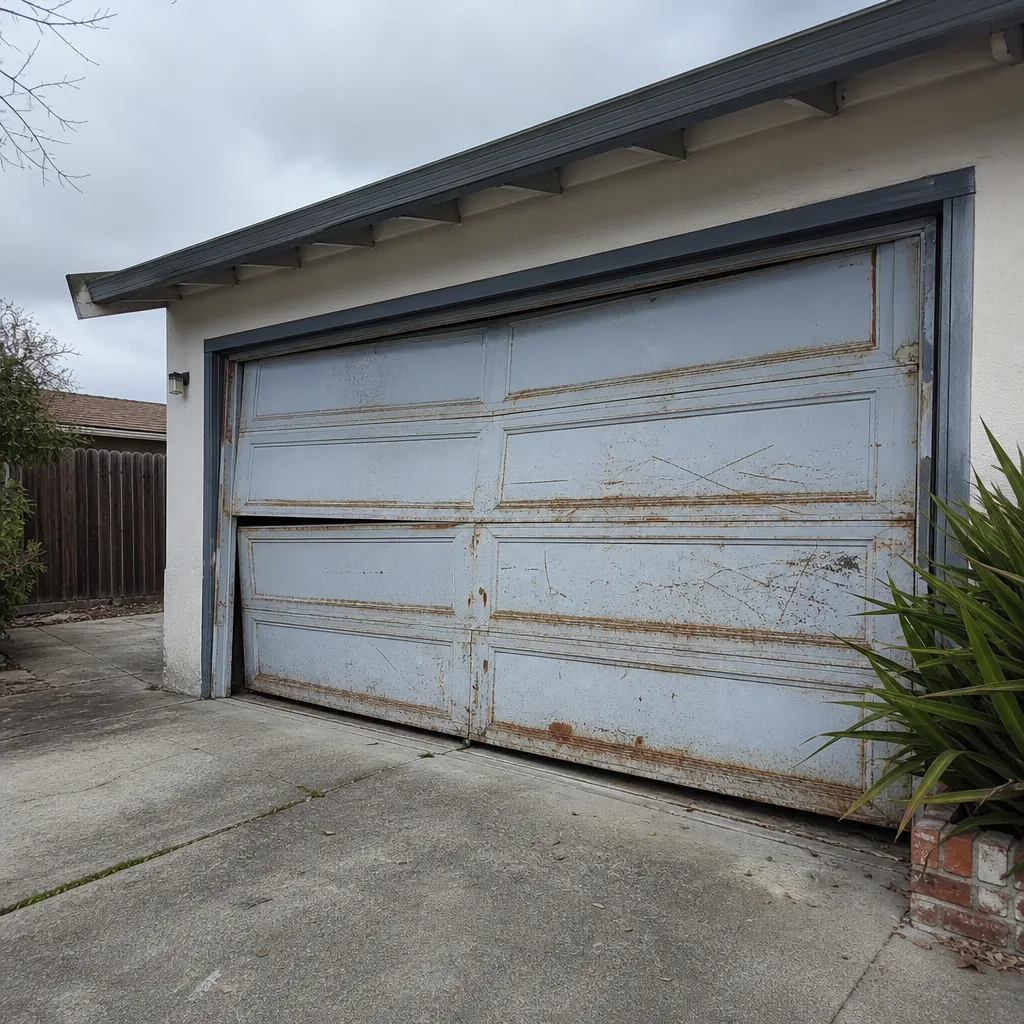 Before
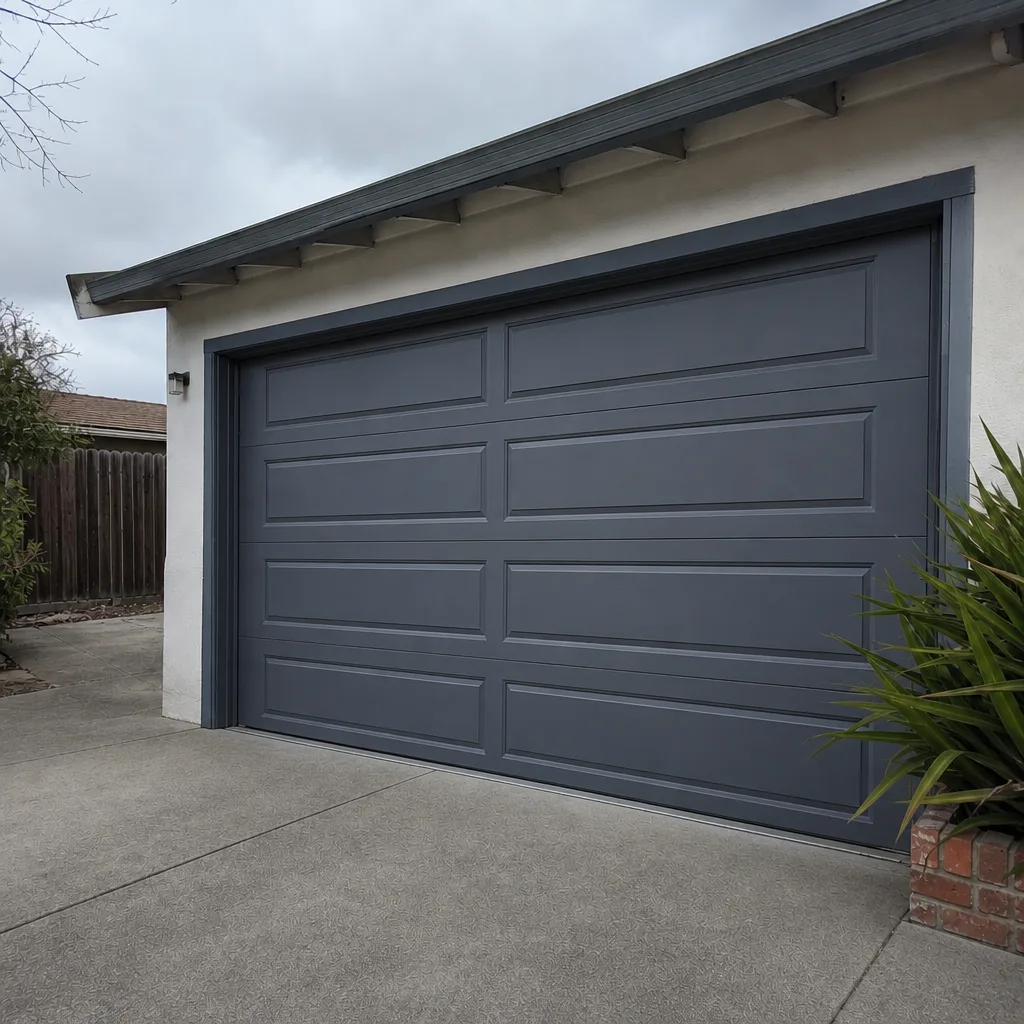 After
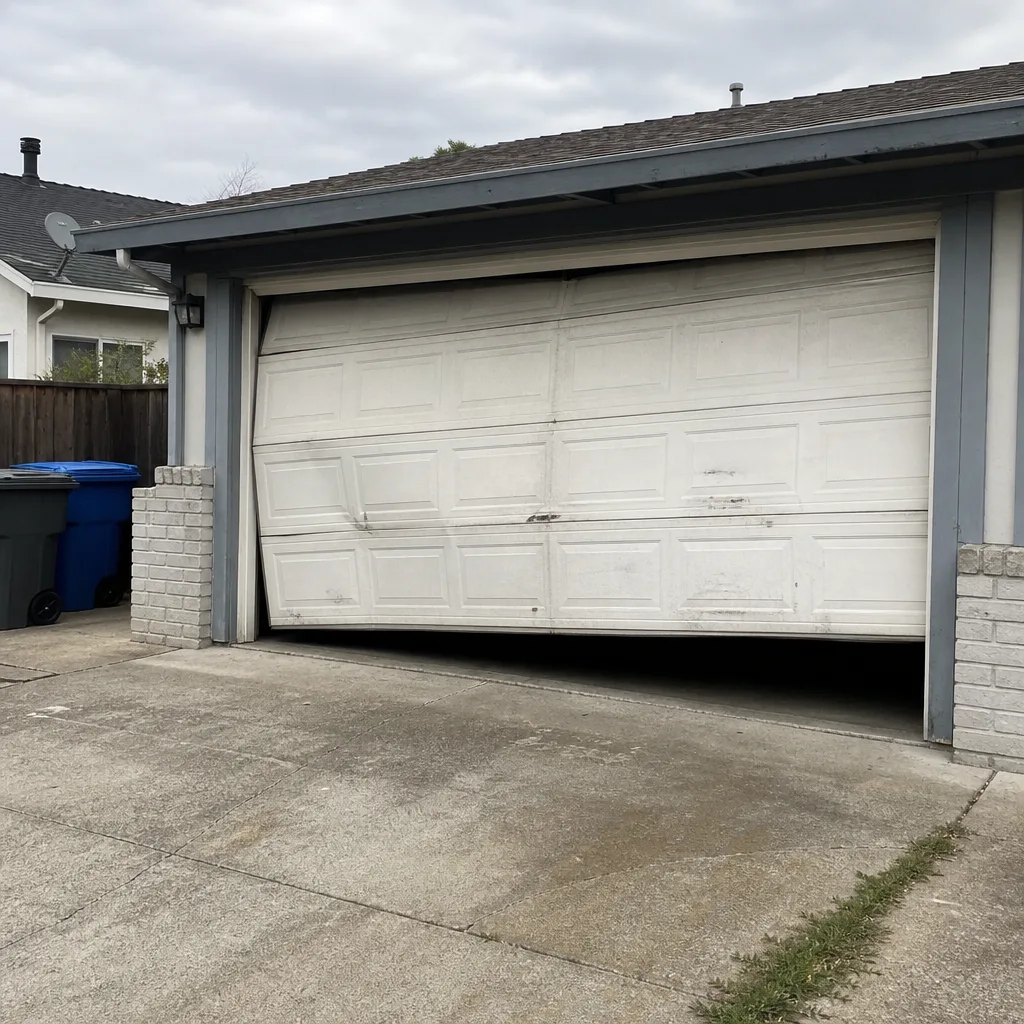 Before
 After
Frequently Asked Questions
Every 1,000 cycles or every three to four months, whichever comes first. For a typical Livermore household running the door five times a day, that’s about three times a year. Springs and hinges get silicone and lithium grease in the summer as heat thins lubricants, and again in late fall to protect against winter moisture.
You can safely handle lubrication, cleaning, weather seal inspection, balance testing, and sensor cleaning. Spring repair, cable replacement, track realignment, and opener motor work should be left to professionals. The safest rule: if a part is under high tension or connected to the door’s weight-bearing system, look but don’t touch.
The bottom weather seal. It dries and cracks during the hot summer months, then lets winter rain and bugs into the garage. It’s cheap to replace and constantly overlooked. Check it every month and replace it when it shows cracks or flattening.
Look at the spring coils. A visible gap between coils, rust pitting on the surface, a door that’s getting harder to open by hand, or a door that creeps when left at half-open are all signs. Any of these means a spring replacement is near. Call for an estimate before it snaps.
Yes. We work on garage door opener repair for LiftMaster, Chamberlain, Genie, Clopay, Amarr, Wayne Dalton, Craftsman, and Raynor. The right fix doesn’t depend on the logo on the motor. If your opener is struggling with an unbalanced door or a worn gear, the opener repair is handled as a standalone specialty rather than a footnote. Call (833) 593-6272, and we’ll give you a free estimate over the phone.
Stop using the opener, pull the red emergency release handle, and try to move the door by hand. If it’s heavy or stuck, the springs have lost tension and the door needs professional service. In Livermore, call (833) 593-6272. We answer 24/7 and dispatch from 7am to 7pm, Sunday through Friday. A stopped door is safer left alone than forced, especially if a cable is already frayed.
The Bottom Line
A garage door maintenance schedule that runs on calendar dates misses the point. The door ages by cycles and seasons, and in Livermore those seasons are dry heat and winter wet, not deep cold. Run the five-minute monthly check, lubricate by cycle count, do two seasonal passes a year, and keep an eye on spring gap, cable fray, and roller wobble. Once a year, have a professional walk the full system. The payoff is a door that lasts years longer, an opener that isn’t fighting an unbalanced panel, and almost no surprise failures. And when a repair does come up, you’ll catch it early enough to fix it on your terms.
Written by the team at Garage Door Repair Livermore, serving Livermore since 2012.