
Last updated November 4, 2026
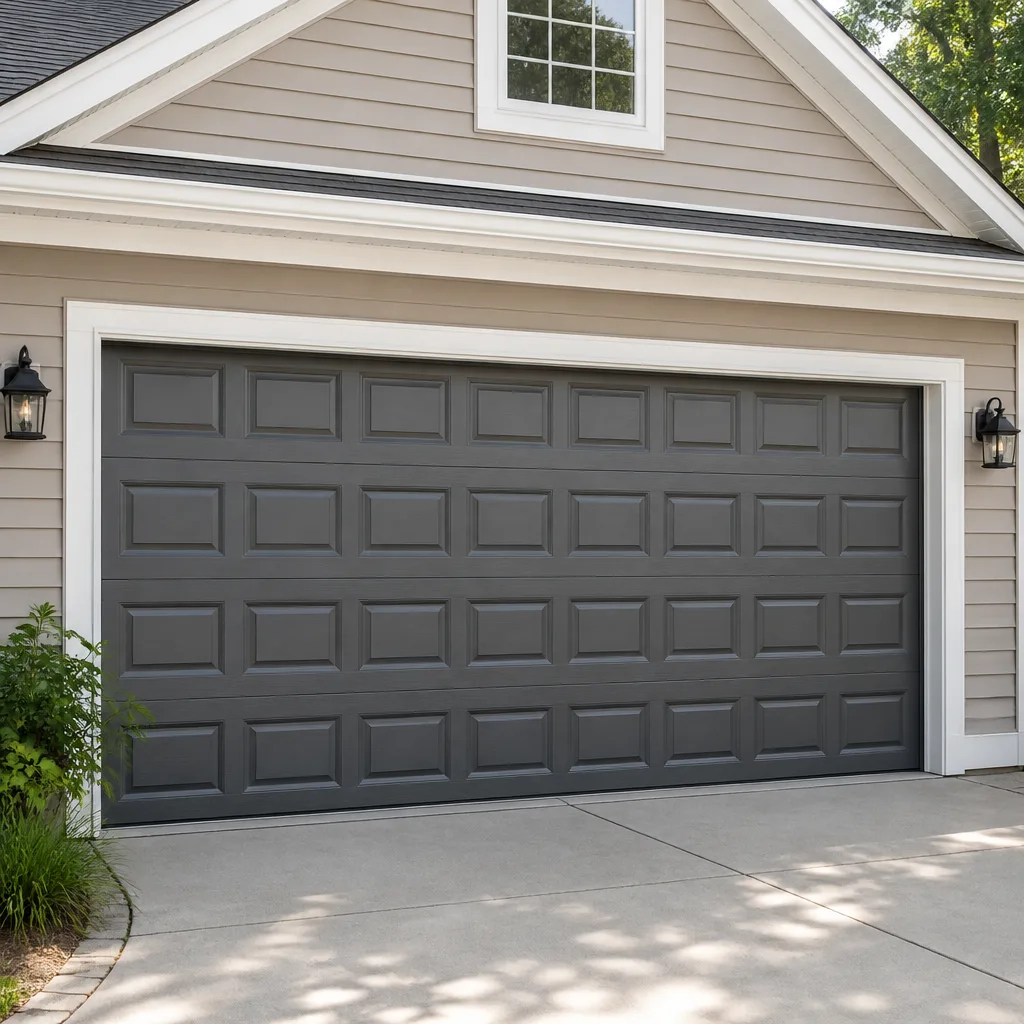 Raised-panel steel
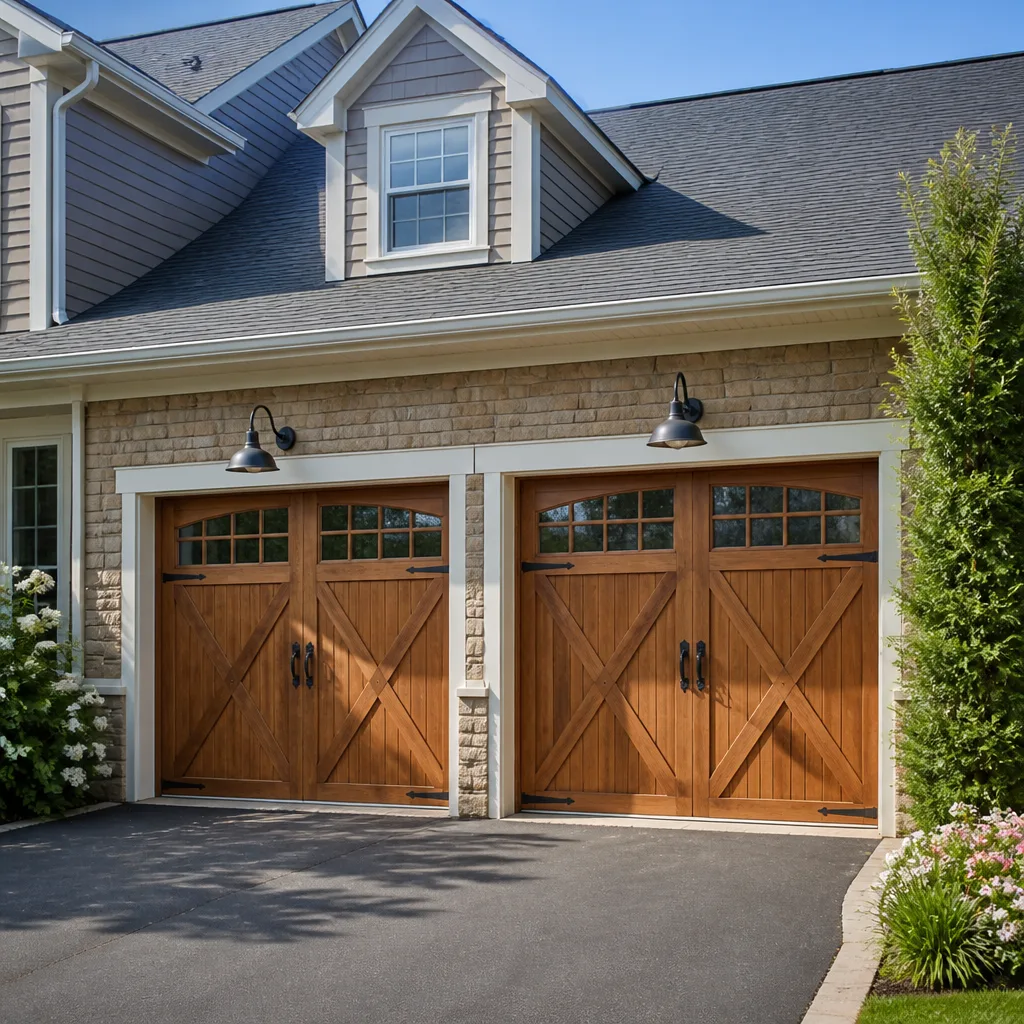 Carriage house
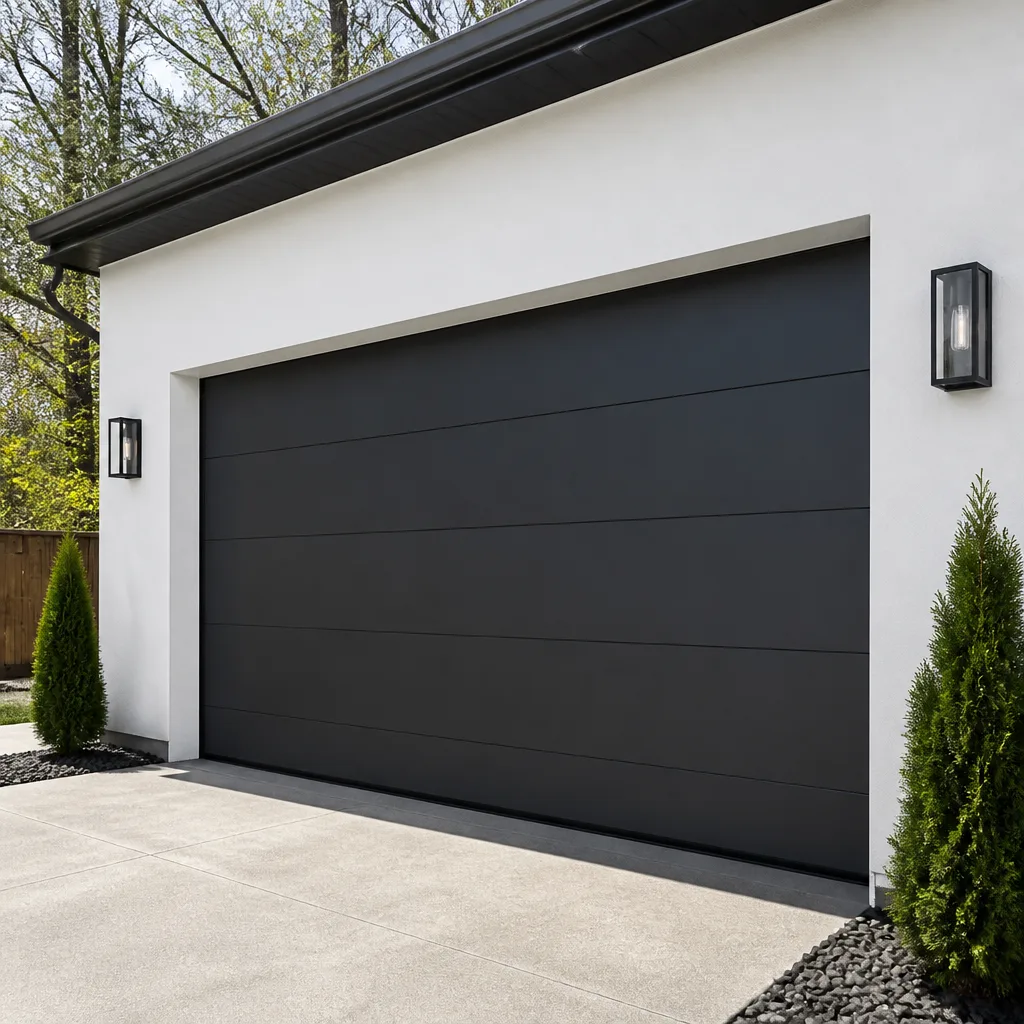 Modern flush
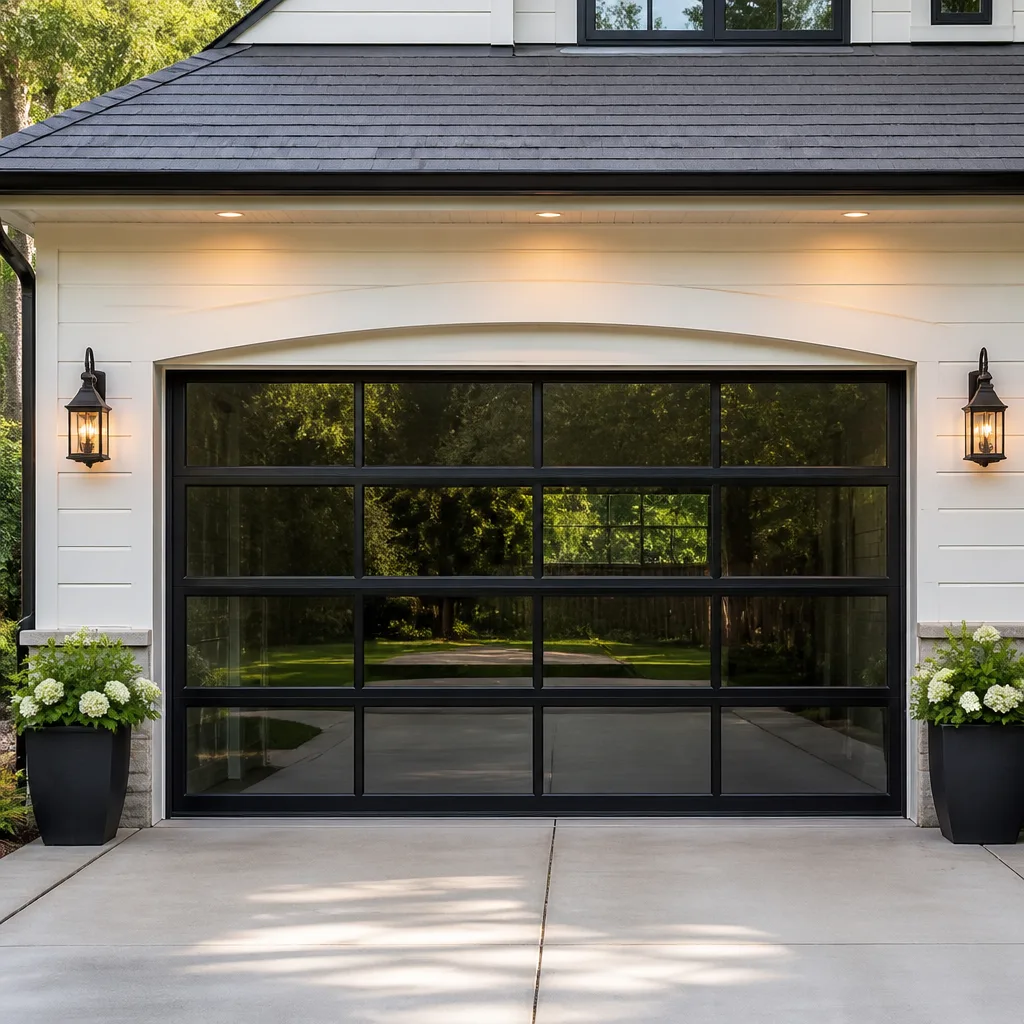 Full-view glass
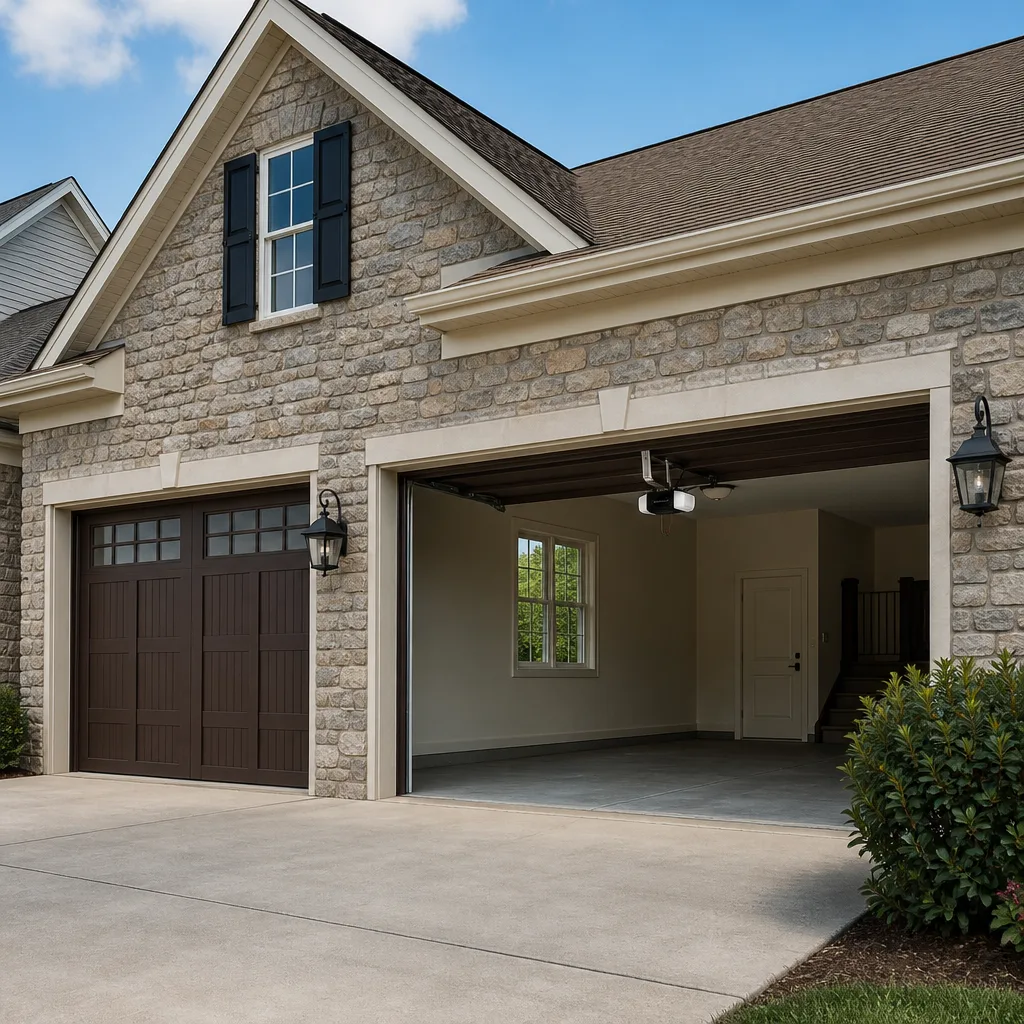 LiftMaster openers
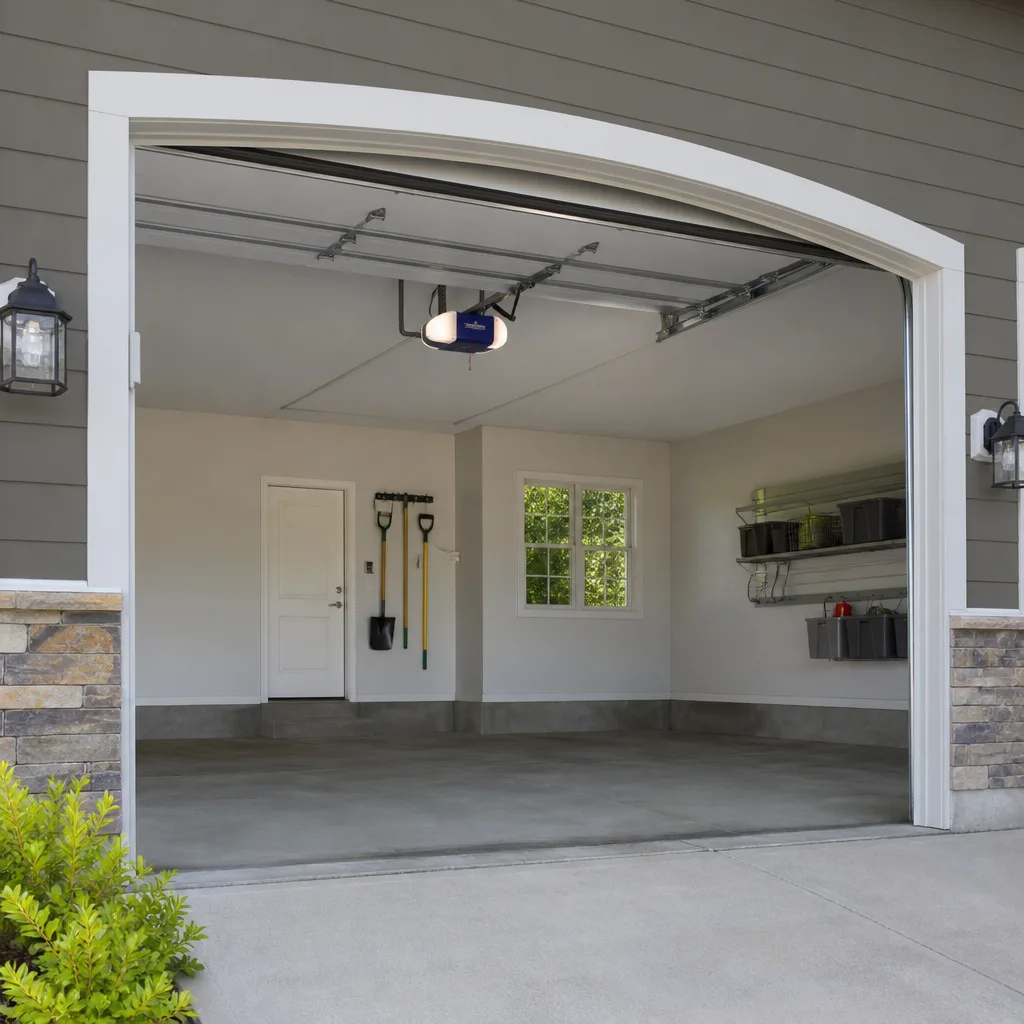 Chamberlain openers
Full 25-point door and opener safety check with every visit - springs, cables, rollers, tracks, and your LiftMaster or Chamberlain opener included
You get a price before we start. It does not change when the truck arrives.
Get your free estimateGarage Door Warning Signs: A Livermore Homeowner’s Reference Guide
Most garage doors don’t fail suddenly. They fail slowly, in ways that are easy to dismiss as normal wear and tear. A hesitant start, a faint grinding sound, a subtle lean to the left. These aren’t personality quirks. They’re diagnostic signals, and learning to read them is the difference between a $50 fix and a door that won’t open on a Monday morning. This guide from Garage Door Repair Livermore walks through the specific sounds, movements, and visual cues that matter in Livermore, where hot summers and dry air create their own set of conditions for springs, cables, and openers.
Quick Answer
The most common garage door warning signs are grinding or squealing sounds, slow or uneven movement, visible gaps in springs, frayed cables, and an opener that runs without moving the door. A garage door that hesitates for half a second before opening is not ‘getting old’ – it’s telling you something specific about your springs, cables, or opener that a technician can read like a diagnostic code. If a spring shows a visible gap or a cable has loose strands, stop using the door immediately and call a professional.
Styles & brands we work with
- Raised-panel steel
- Carriage house
- Modern flush
- Full-view glass
- LiftMaster openers
- Chamberlain openers
Table of Contents
- What Different Garage Door Sounds Mean
- Visual Warning Signs on Springs and Cables
- Reading Slow or Uneven Door Movement
- Opener Behavior: Is the Door or the Opener the Problem?
- Three Signs That Mean Stop Using the Door Now
- How Livermore’s Climate Affects Your Garage Door
- A Two-Minute Daily Observation Routine
What Different Garage Door Sounds Mean
Your garage door talks. Most homeowners just aren’t listening. Each sound points to a specific mechanical condition, and knowing which ones are urgent can save you from a door that fails on the worst possible day.
Grinding: A metal-on-metal grinding sound typically means the rollers are worn out or the bearings inside them have failed. In Livermore‘s dry, dusty summers, fine grit accumulates in roller tracks and accelerates wear. A grinding door will still operate, but every cycle is damaging the track. This is a routine repair when caught early, not an emergency.
Squealing or screeching: This usually points to dry rollers or hinges, or a belt that’s slipping on the opener. It’s the most common sound we hear on service calls in Livermore, and it’s often the easiest to address. Squealing that gets worse over weeks is your cue to schedule garage door repair before the rollers seize.
Popping: A sharp pop during operation is almost always a cable slipping on the drum or a section hinge binding. Popping sounds should be treated as urgent, especially if they happen repeatedly. A cable that’s slipping is a cable that’s close to snapping.
Rattling: A rattle usually means loose hardware – bolts, brackets, or hinges that have backed out from years of vibration. It’s not an emergency, but it should be addressed. Loose hardware puts extra strain on the springs and opener, and tightening it takes a technician minutes.
Thumping or banging when the door reaches the top or bottom: This usually means the door isn’t stopping where it should. The travel limits on the opener may be off, or the door itself is out of balance. A door that slams at the bottom is sending shock through every panel, hinge, and spring.
Visual Warning Signs on Springs and Cables
You don’t need to touch anything to spot most spring and cable problems. A slow walk around the garage with the door closed is enough. In our experience, the homeowners who catch spring failures early are the ones who spend ten seconds looking up at the hardware every few months.
Spring gaps: Torsion springs sit horizontally above the closed door. When a spring breaks, it visibly separates into two coils with a gap in the middle. But before a full break, you may see small gaps, uneven coil spacing, or rust build-up. Rust is a significant warning sign in any climate, and while Livermore isn’t coastal, temperature swings between hot days and cool nights create condensation inside garages that accelerates oxidation on unprotected springs.
Cable fraying: The cables on either side of the door carry enormous tension. From a distance, look for loose strands, a cable that looks fuzzy instead of smooth, or a cable that’s no longer sitting tight in the drum above. Any visible fraying means the cable is compromised. It will eventually let go, and when it does, the door can drop or slam unevenly.
Bent or misaligned tracks: Track damage is often visible without any close inspection. If one track looks wider than the other, or the door doesn’t sit evenly between them, something has shifted. In some cases, the track itself is bent. In others, the track is fine but a broken spring is forcing the door to pull to one side.
Panel separation or cracking: Wood and composite doors crack. Steel doors can dent and lose their structural stiffness. If you see light coming through a panel gap, or a panel that flexes when the door moves, that panel is no longer carrying its share of the load. A damaged panel on a Clopay or Amarr door doesn’t mean the whole door needs replacing, but it should be evaluated before the damage spreads.
Reading Slow or Uneven Door Movement
How the door moves tells you more than the sounds it makes. A door that opens smoothly but slowly, or one that drags on one side, is giving you a diagnostic readout if you know how to interpret it.
Slow throughout the entire cycle: If the door moves smoothly but takes longer than it used to, the opener’s motor may be working harder than it should. That extra effort usually means the door itself is out of balance, and the opener is compensating for a spring that’s losing tension. A properly balanced door should open and close at a consistent speed with no visible strain from the opener.
Left side dragging: A door that drags on the left side but lifts on the right is telling you something specific. The most common cause is a broken or weak spring on the left side, which forces the right side to carry more weight. The door twists slightly in the opening, and the left roller assembly scrapes against its track. This isn’t a track problem. It’s a balance problem, and it will get worse.
Right side dragging: The mirror image is the same diagnosis on the right side. A spring is failing, or a cable has loosened on that side. We’ve watched homeowners try to fix this by lubricating the tracks, and it doesn’t help because the tracks were never the problem. The door is unbalanced, and the only lasting fix is restoring the spring tension.
Jerky or pulsing movement: A door that moves in small surges rather than one smooth flow often indicates a problem with the opener’s drive mechanism, but it can also mean the door is catching on something intermittently – a misaligned track, a loose roller, or debris in the track. Jerky movement puts uneven stress on every component and should be addressed quickly.
Door reverses for no reason: If the door starts closing and then reverses without anything in its path, the safety sensors may be misaligned or the force settings on the opener may be off. A door that reverses randomly is usually not a major mechanical failure, but it does render the door unreliable as a primary entry point.
Opener Behavior: Is the Door or the Opener the Problem?
One of the most useful distinctions a homeowner can learn is whether the opener is failing or the door is failing. The symptoms look similar, but the fixes are different, and getting this wrong can mean an unnecessary opener replacement.
Opener repair is its own specialty, and we treat garage door opener repair as a dedicated discipline, not an afterthought to door service. That said, many “broken openers” are actually healthy openers working against a door that’s too heavy or too stiff to move.
Opener runs but door doesn’t move: If you hear the motor running but the door stays put, the problem is either the opener’s drive gear or a disconnection between the opener and the door. Before calling, check whether the emergency release cord has been pulled. If it hasn’t, the opener likely needs internal repair.
Opener runs, door moves partially, then stops: This pattern often points elsewhere. A door that starts to open and then stops is fighting resistance – a weak spring, a jammed roller, or a section that’s binding. The opener’s motor is overheating or hitting its load limit. Replacing the opener won’t fix a door that’s too heavy. It’ll just burn out the next opener the same way.
Remote works intermittently: Intermittent remote operation is usually an opener issue – failing logic board, weak capacitor, or signal interference. If the wall button works reliably but the remote doesn’t, the remote’s battery is the first thing to check, followed by the opener’s receiver. This is a different problem from a door that won’t move, and it points to the opener, not the door.
Opener makes grinding but door doesn’t move: A grinding sound from the opener itself, especially on a Chamberlain or Genie unit, often means the drive gear has stripped. This is a repairable problem on most models, and brands like LiftMaster, Chamberlain, Genie, and Craftsman all use serviceable drive components. We work on these brands routinely, so the fix is usually straightforward, but it does require opening the opener housing.
Three Signs That Mean Stop Using the Door Now
This is the section we hope every Livermore homeowner reads carefully. Some warning signs mean “schedule a repair when convenient.” These three mean “stop using the door today.”
- Visible spring gap or break: The springs carry the entire weight of the door. When one breaks, the remaining spring – if there is one – is suddenly carrying double its designed load. It will fail too, and soon. A door with a broken spring is not safe to operate manually or with the opener. The strain is beyond what the opener was designed to handle.
- Frayed or loose cable: Cables under tension that are fraying are moments away from snapping. When a cable lets go, the door can drop suddenly on one side. If you see loose strands or a cable that’s not seated properly in its drum, do not operate the door. The risk of the door coming down hard is real.
- Door falls when released from the opener: Pull the emergency release cord only when the door is closed, and if the door feels heavy or drops when you try to lift it manually, do not force it. A door that won’t stay up on its own has no working spring tension. It can come down with enough force to cause serious injury. Close it if you can do so safely, then leave it closed.
We want to be direct about this: garage door springs and cables are under tension that can cause serious injury if mishandled. We never advise homeowners to attempt spring or cable repairs themselves. The spring systems on doors from manufacturers like Clopay, Amarr, and Wayne Dalton are precisely engineered, and the safe repair requires specific tools and training.
How Livermore’s Climate Affects Your Garage Door
Livermore has a Mediterranean climate with hot, dry summers and mild, wet winters. That combination creates specific conditions for garage door hardware that a coastal or high-altitude homeowner wouldn’t recognize.
Heat and metal expansion: Summer temperatures in Livermore routinely reach the high 90s and beyond. Steel tracks, hinges, and rollers expand in that heat, and clearances that were comfortable in spring become tight. A door that operates fine in May can start binding in August. Regular lubrication helps, but so does knowing that some summer sluggishness is thermal expansion, not a mechanical failure.
Dust and grit accumulation: The dry months mean dry dust. That dust settles into roller tracks and hinge pivots, mixing with grease to form a grinding paste that accelerates wear. Homes near open space or unpaved roads in the Livermore area see this more quickly. Cleaning track debris and refreshing roller lubrication extends the life of the rollers and keeps the door quiet.
Condensation and rust: Livermore’s cool nights following hot days create condensation inside unconditioned garages. That moisture settles on springs and cables, and over years, causes rust on unprotected metal. Rust weakens springs and is a leading indicator of an impending break. Springs with visible rust should be inspected by a professional, even if they haven’t failed yet.
Rainy-season swelling: Winter rains bring moisture that can cause wood door panels to swell slightly. A wood door that sticks or fits tighter in December than in August is often responding to humidity, not structural damage. But if the swelling is consistent year-round, or accompanied by cracking, the panel needs attention before it warps permanently.
A Two-Minute Daily Observation Routine
You don’t need to inspect your garage door like a technician. You need a simple routine that catches problems before they become emergencies. Here’s what we recommend:
- Watch the door as it closes. Stand in the driveway and watch the full cycle. Does it stay level? Does it hesitate or jerk? Ten seconds of attention.
- Listen for one full open and one full close. Close the garage door, then open it, then close it again. Listen for grinding, squealing, popping, or rattling. Thirty seconds of attention.
- Look up at the springs. With the door closed, glance at the torsion springs above. Do you see a gap, rust, or uneven coils? Ten seconds.
- Check the cables from a distance. Look at both cables where they meet the drums. Do they look smooth and tight? Do you see loose strands? Ten seconds.
- Test the balance occasionally. Once a month, pull the emergency release while the door is closed, then lift the door manually to about waist height. It should stay there without support. If it drops or rises, the springs need attention. Sixty seconds.
That’s about two minutes of attention, once a week, with a longer balance check monthly. It won’t prevent every failure, but it catches the overwhelming majority of them before they strand you or damage the door.
Common Mistakes to Avoid
- Lubricating to fix a balance problem. Oil and grease make a door quieter, but they can’t restore spring tension. A door that’s hard to lift or visibly unbalanced needs a spring adjustment or replacement, not lubricant. In Livermore’s dusty summers, excess grease also attracts grit and accelerates roller wear.
- Ignoring rust on springs. Rust weakens spring steel over time. A rusty spring hasn’t failed yet, but it’s aging faster than a clean one. If you see significant rust, have it inspected before it breaks on a hot afternoon when you need the car the most.
- Replacing the opener when the door is the problem. An opener that struggles to lift a heavy or binding door will fail prematurely. Put a new opener on a bad door and you’ll replace it again in a few years. Diagnose the door first.
- Pulling the emergency release with the door open. The emergency release is designed to be pulled when the door is closed. Pulling it with the door open can cause the door to slam down if the springs are weak. Always close the door first.
- Waiting because the door “still works.” Every homeowner has a threshold for tolerance. But a door that grinds, rattles, and lurches is consuming itself. The longer it runs with a worn roller, the more likely the track gets damaged. Small repairs are cheaper than secondary damage.
- Assuming all garage door companies are the same. Generalists service everything. A focused garage door specialist spends every workday on doors and openers. The difference shows up in diagnostic speed and the parts on the truck. When you call about a LiftMaster motor replacement, we already know the model’s quirks.
See the difference
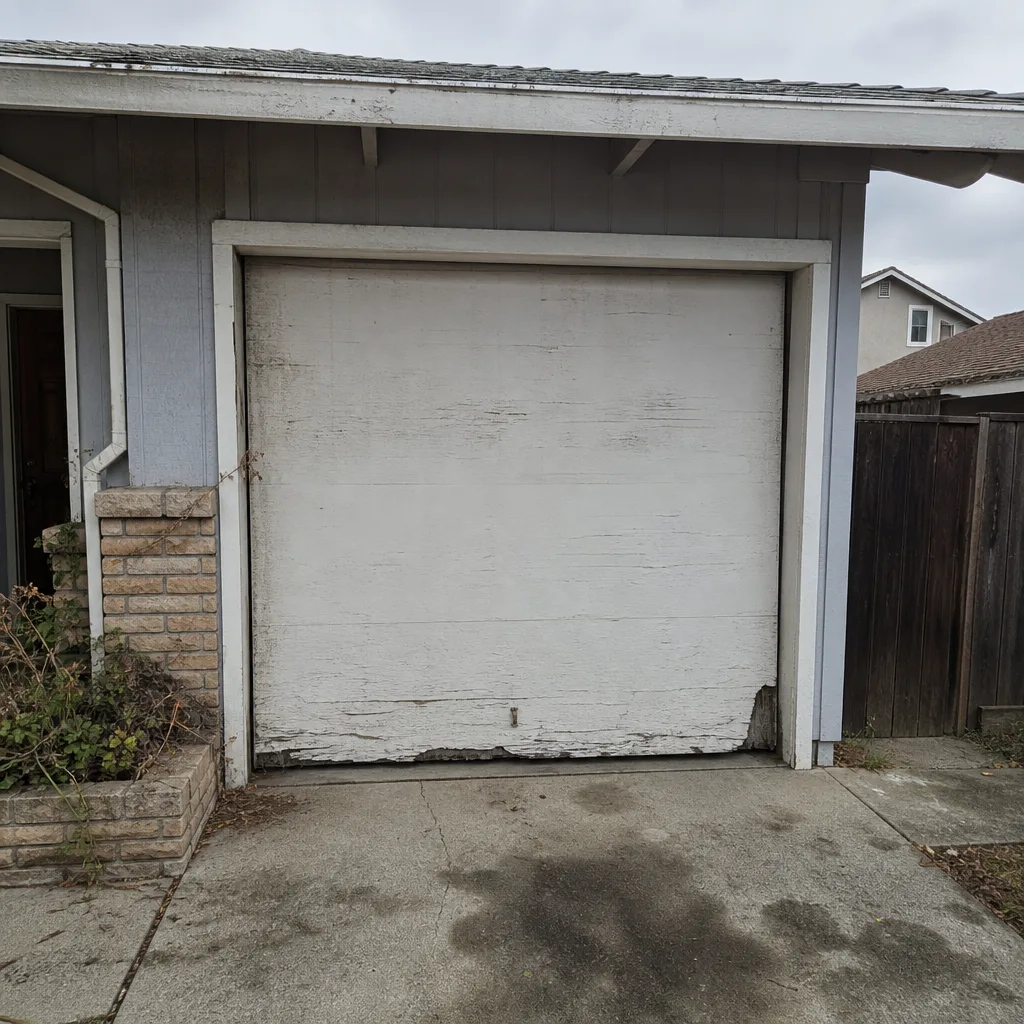 Before
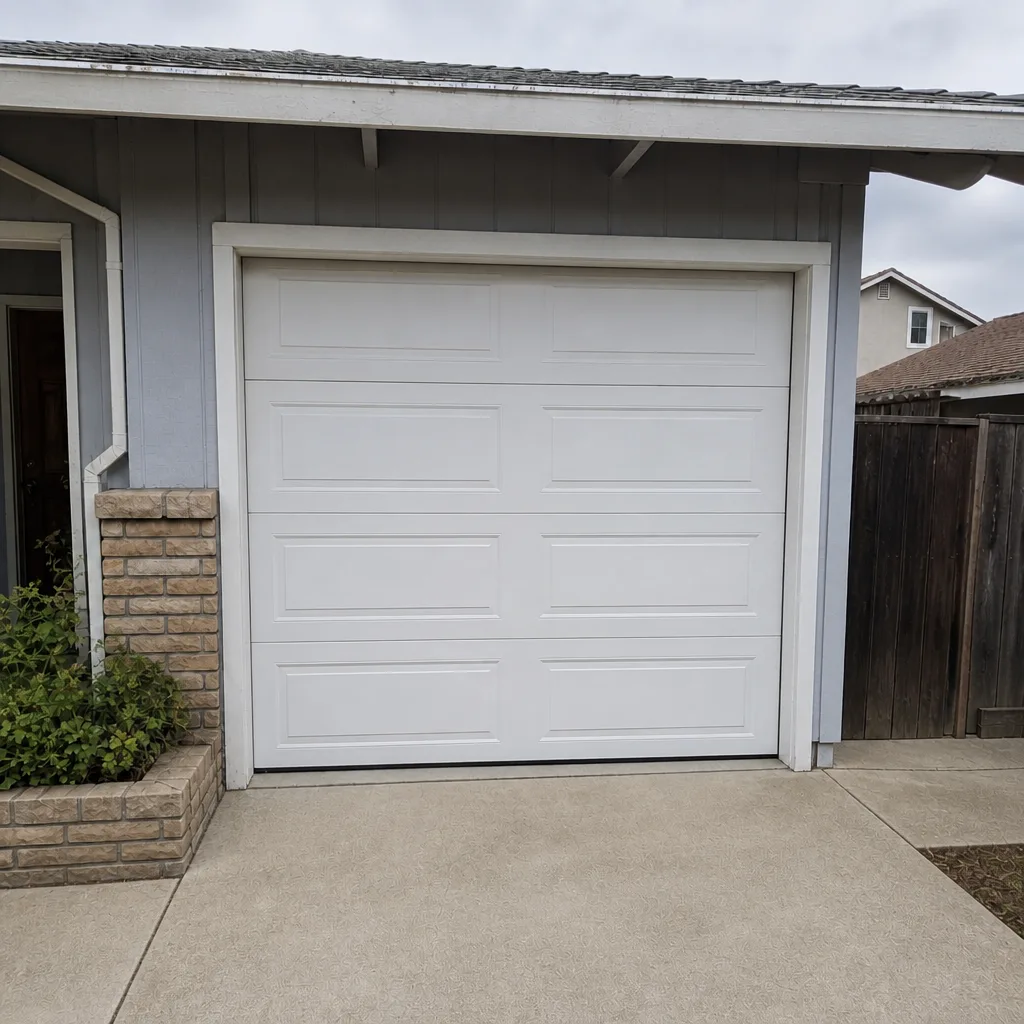 After
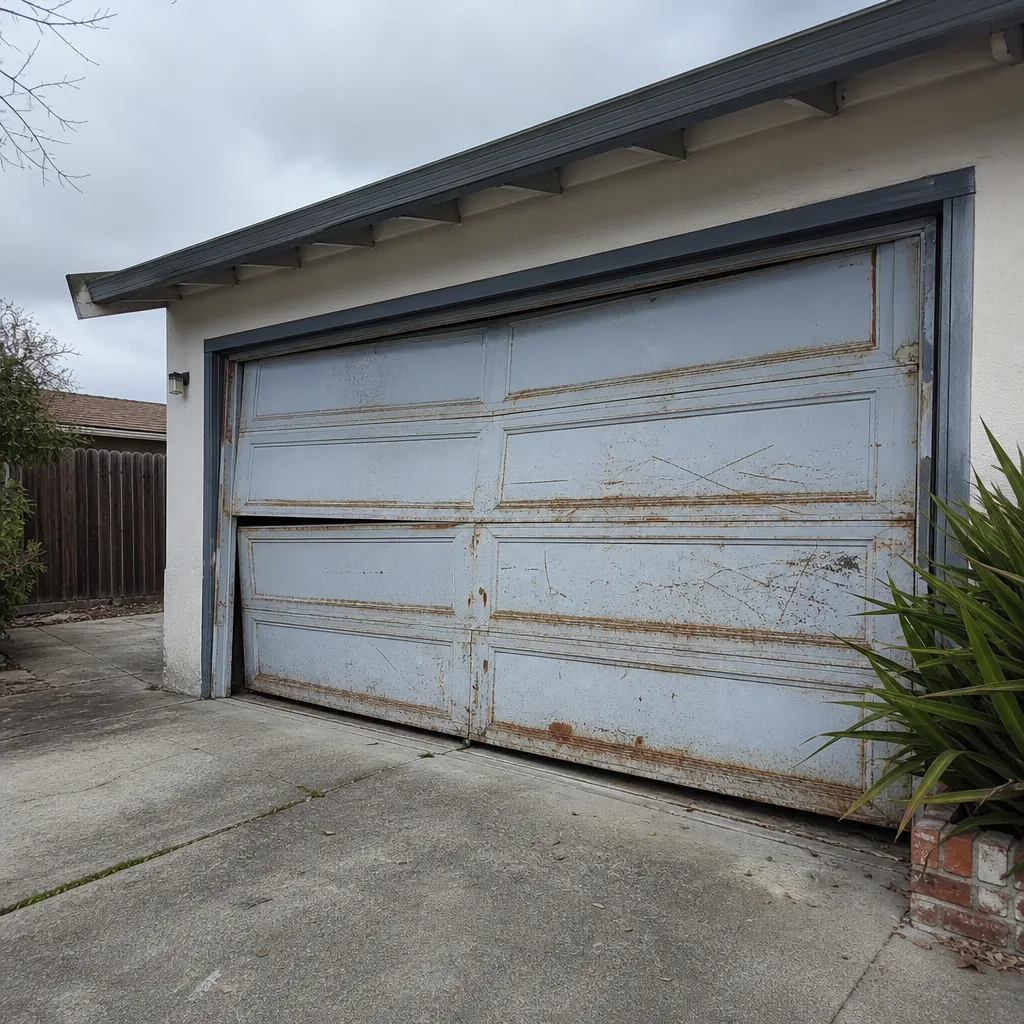 Before
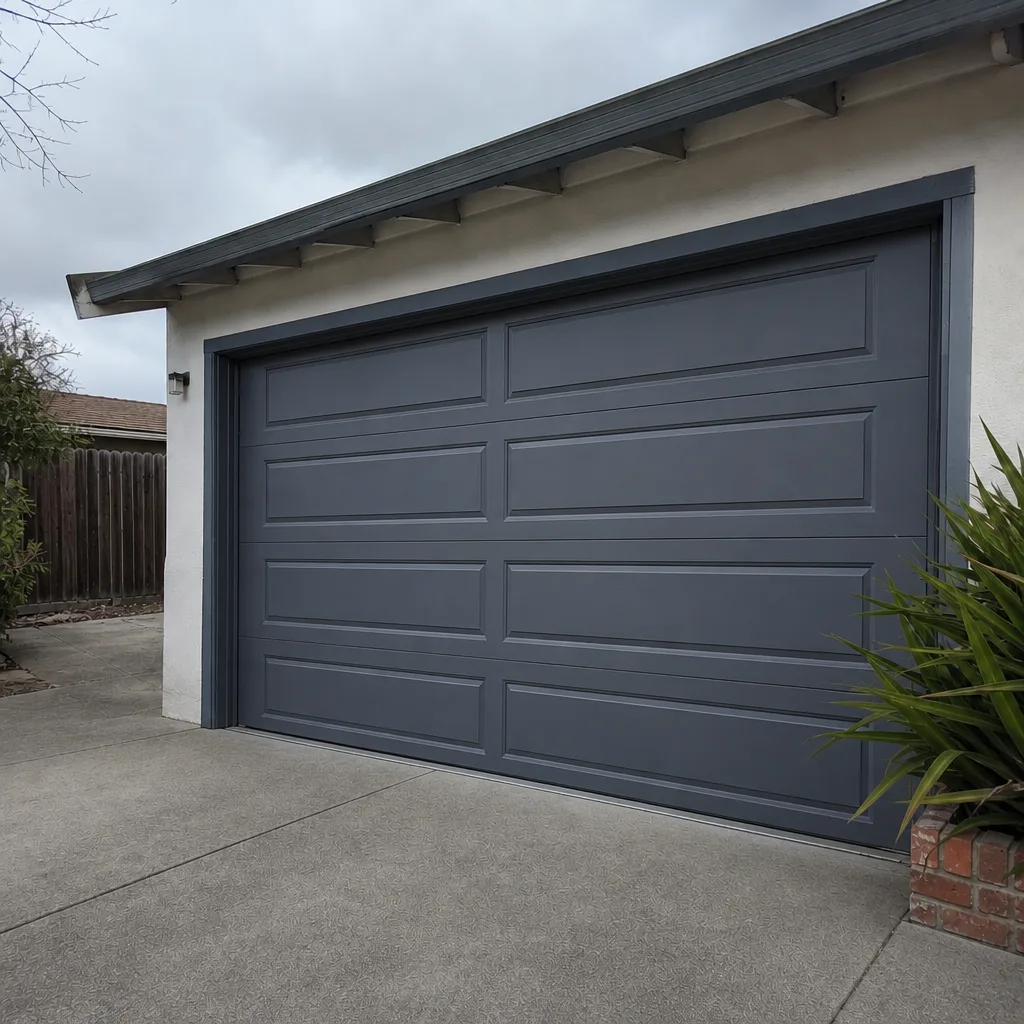 After
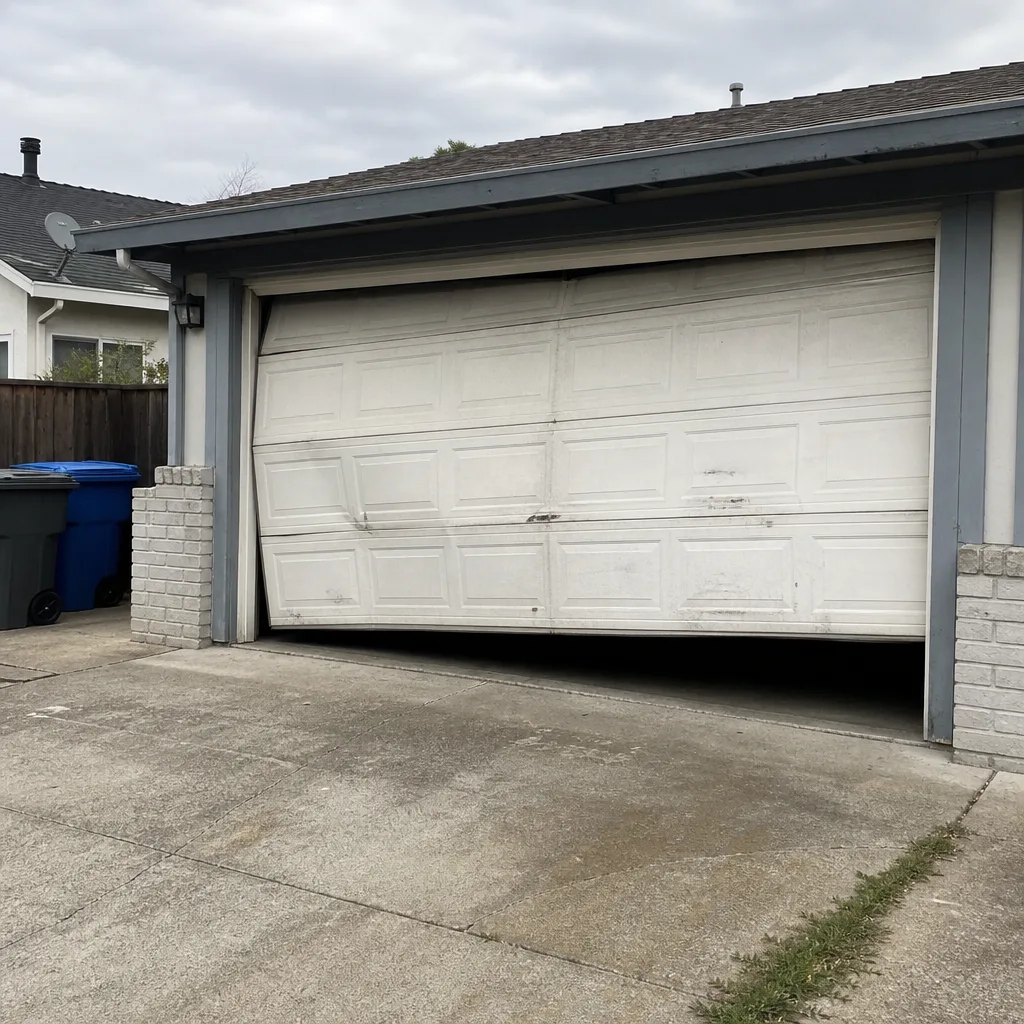 Before
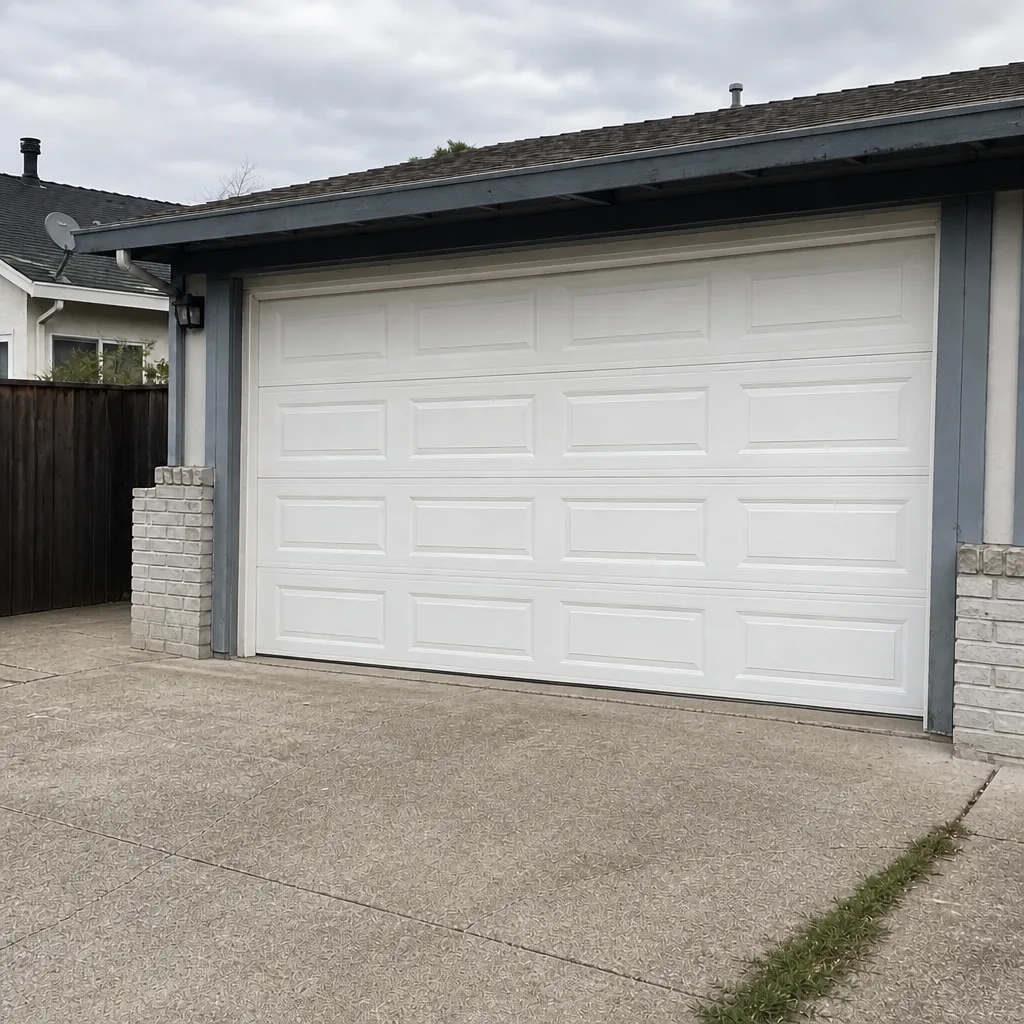 After
When to Call a Professional
Call us when the door makes a sound you can’t identify, when it moves unevenly, when a spring shows rust or a gap, when a cable looks loose, or when the opener behaves inconsistently. Call sooner than you think. Warning signs are warnings because they precede failures. Garage Door Repair Livermore offers free estimates in Livermore – call (833) 593-6272. We answer 24/7. Fast dispatch from 7am to 7pm, Sunday through Friday.
Frequently Asked Questions
A spring about to break often shows visible rust, uneven coil spacing, or a slight gap between coils. You may also notice the door becoming harder to lift manually or the opener sounding strained. If you see rust or uneven coils on a spring in Livermore, call for an inspection before it breaks. Call (833) 593-6272 for a free estimate – we answer 24/7.
A loud bang usually means the door is hitting the end of its travel too hard, or a section hinge or roller is binding and releasing suddenly. It can also be a cable slipping on the drum. A banging door should be checked quickly, because the shock of impact travels through every panel. Call (833) 593-6272 for an exact diagnosis – estimates are free.
A door that opens halfway then stops is typically fighting resistance – a weak spring, a binding roller, or a track misalignment – and the opener is hitting its load limit. It’s rarely an opener failure on its own. We diagnose the door first, then the opener. Call (833) 593-6272 to schedule a service call in Livermore, and we’ll set the price before any work starts.
We work on the brands that cover the overwhelming majority of residential garage systems: LiftMaster, Chamberlain, Genie, Clopay, Amarr, Wayne Dalton, Craftsman, and Raynor. That includes opener repair on Chamberlain and Genie units, door repair on Clopay and Amarr panels, and full-system work on any of the eight brands. Call (833) 593-6272 for a free estimate on your specific make and model.
No. The price is quoted and agreed before any work starts, based on a written estimate. If we find additional issues during the repair, we’ll stop and discuss them with you before proceeding. You’ll never get an invoice that’s larger than the quote. Call (833) 593-6272 for a free estimate – we answer 24/7.
Livermore summers bring hot, dry conditions that expand metal tracks and rollers, making clearances tighter and friction higher. Add dry dust mixing with grease, and you get grinding wear. A louder door in July is often thermal expansion plus dry grit. Proper lubrication and roller maintenance help, and a full inspection can identify components that are worn beyond adjustment. Call (833) 593-6272 to schedule an inspection.
The Bottom Line
Your garage door sends signals long before it fails, and most of them are easy to spot once you know what to look for. Grinding means worn rollers. Squealing means dry or failing hardware. Popping means a cable issue. Uneven movement means a spring problem. And rust anywhere on the spring system means the clock is running. Two minutes of observation per week prevents most surprises, and when something does look wrong, a focused garage door specialist can diagnose it faster than a generalist. If your door is showing any of these signs in Livermore, call (833) 593-6272. We answer 24/7. Fast dispatch from 7am to 7pm, Sunday through Friday.
Written by the team at Garage Door Repair Livermore, serving Livermore since 2012.