
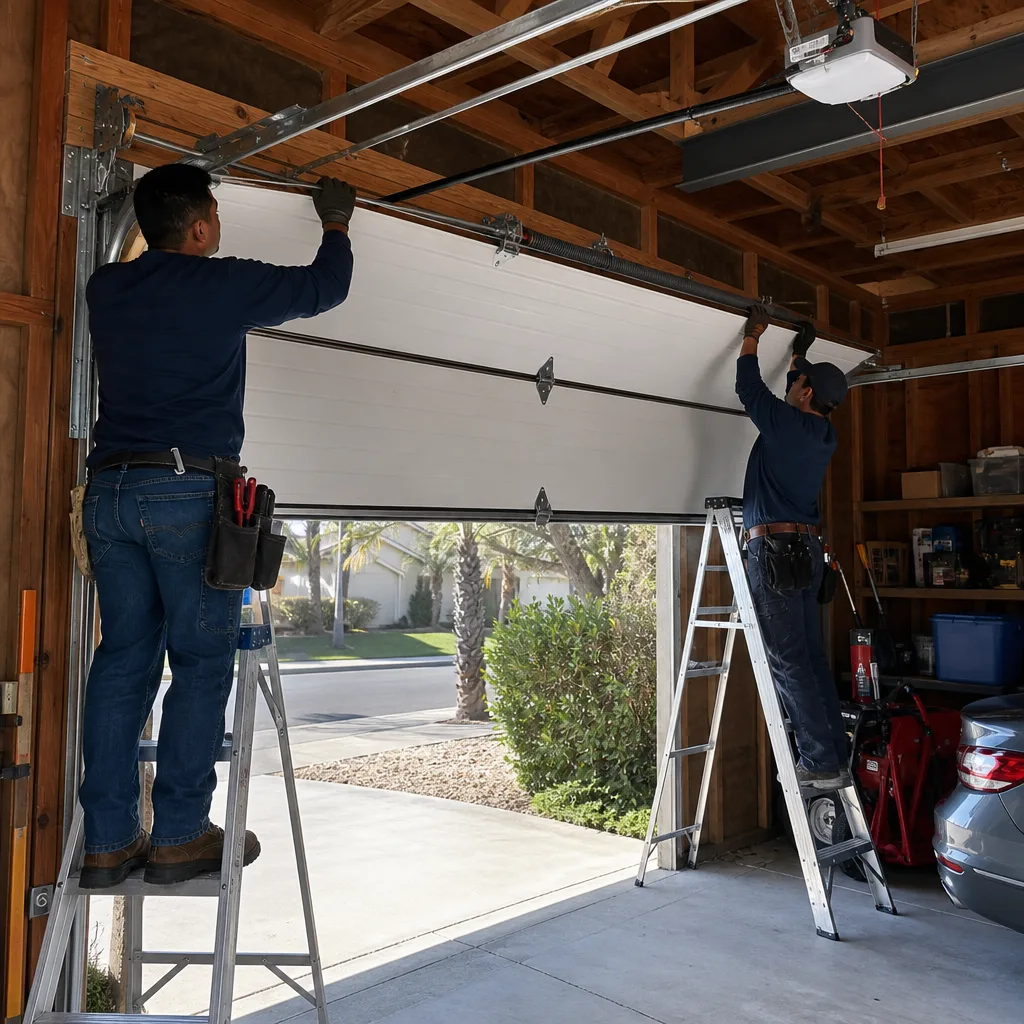
Last updated November 4, 2026
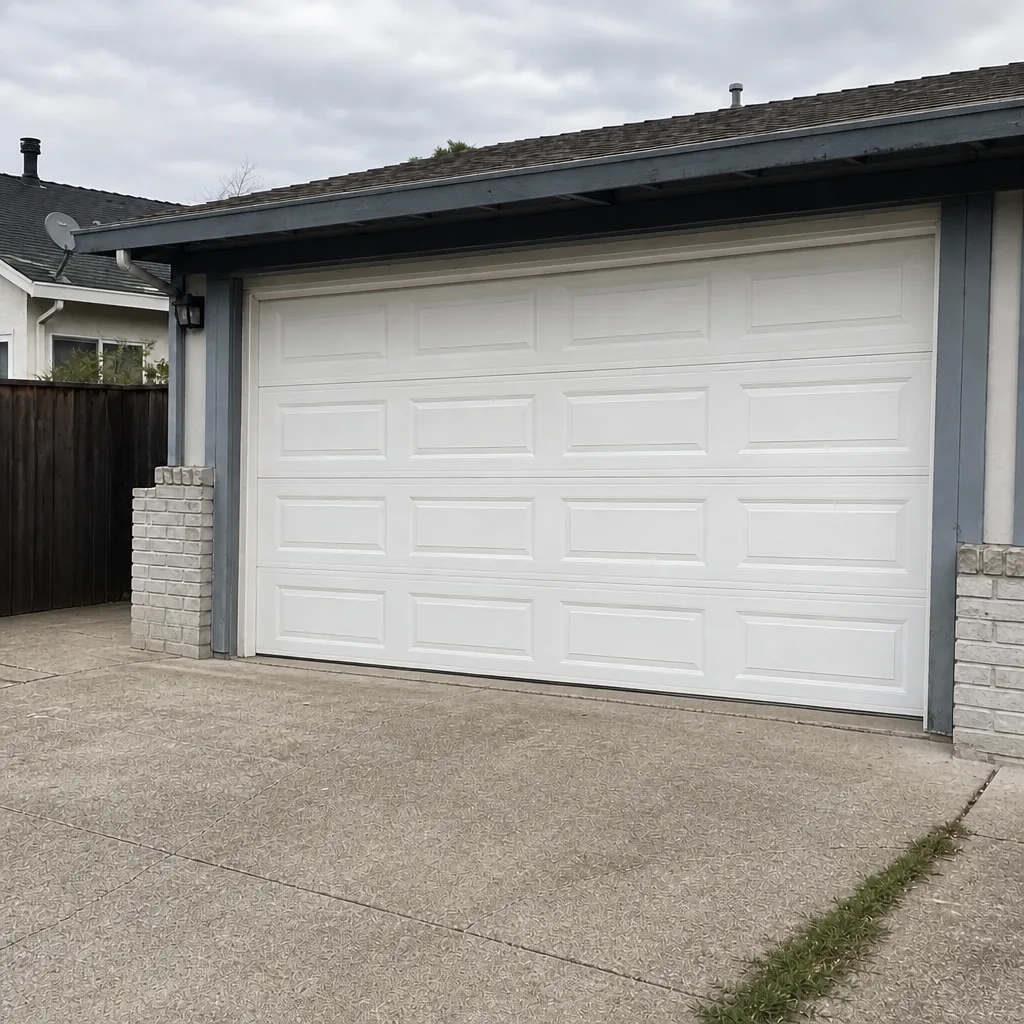
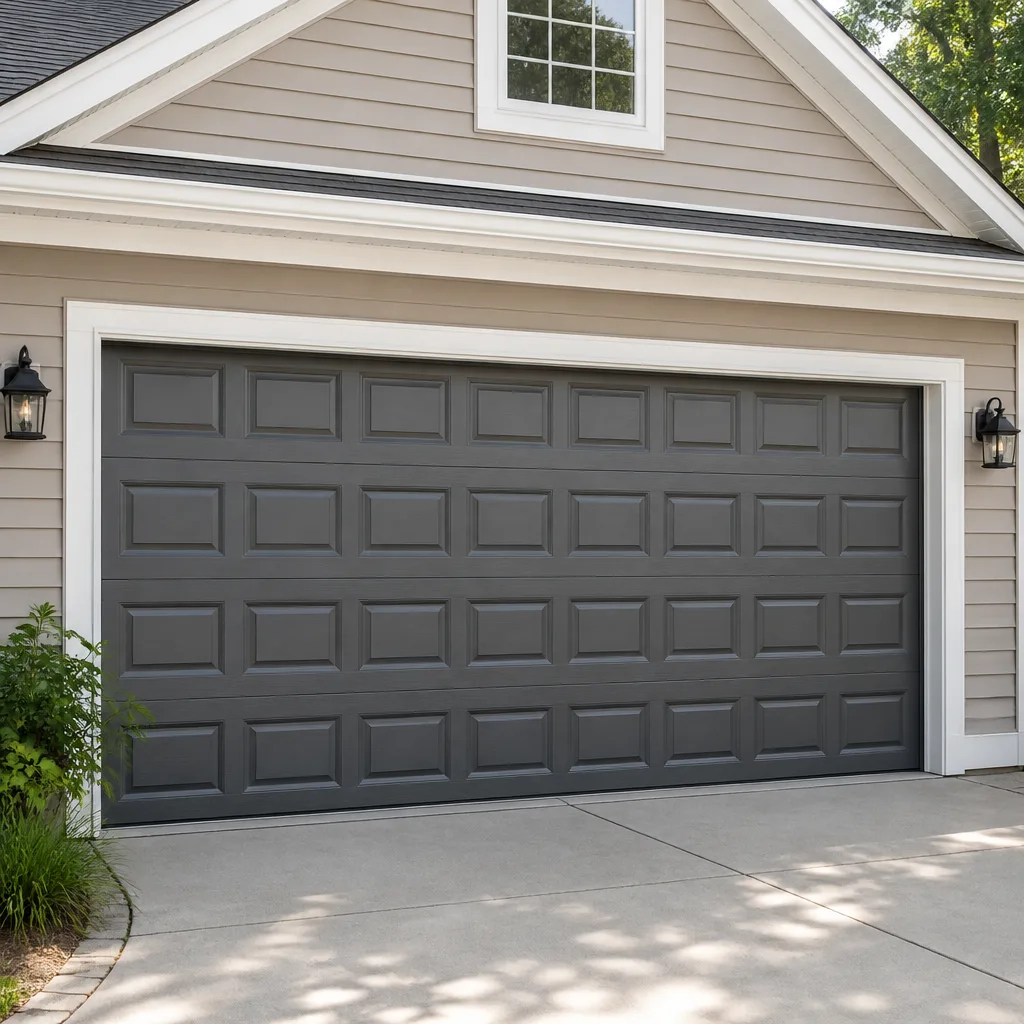 Raised-panel steel
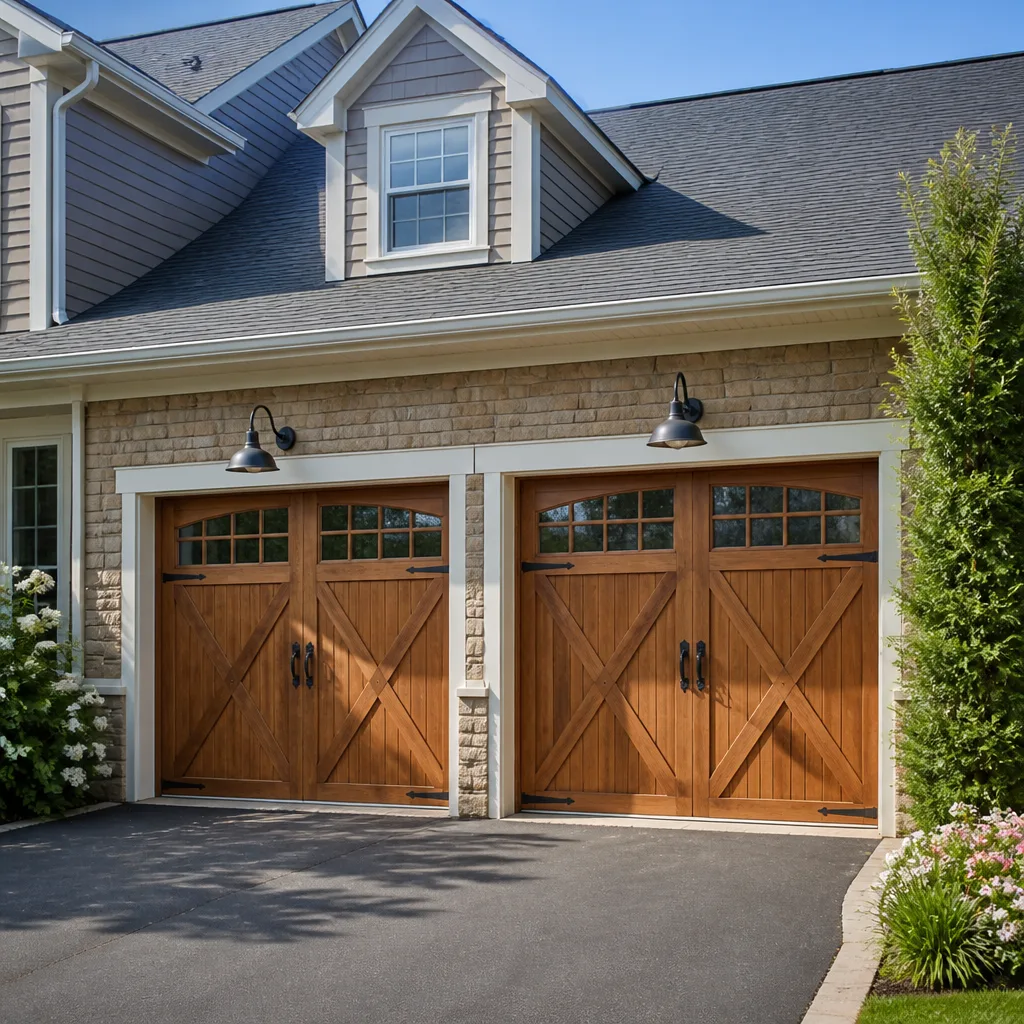 Carriage house
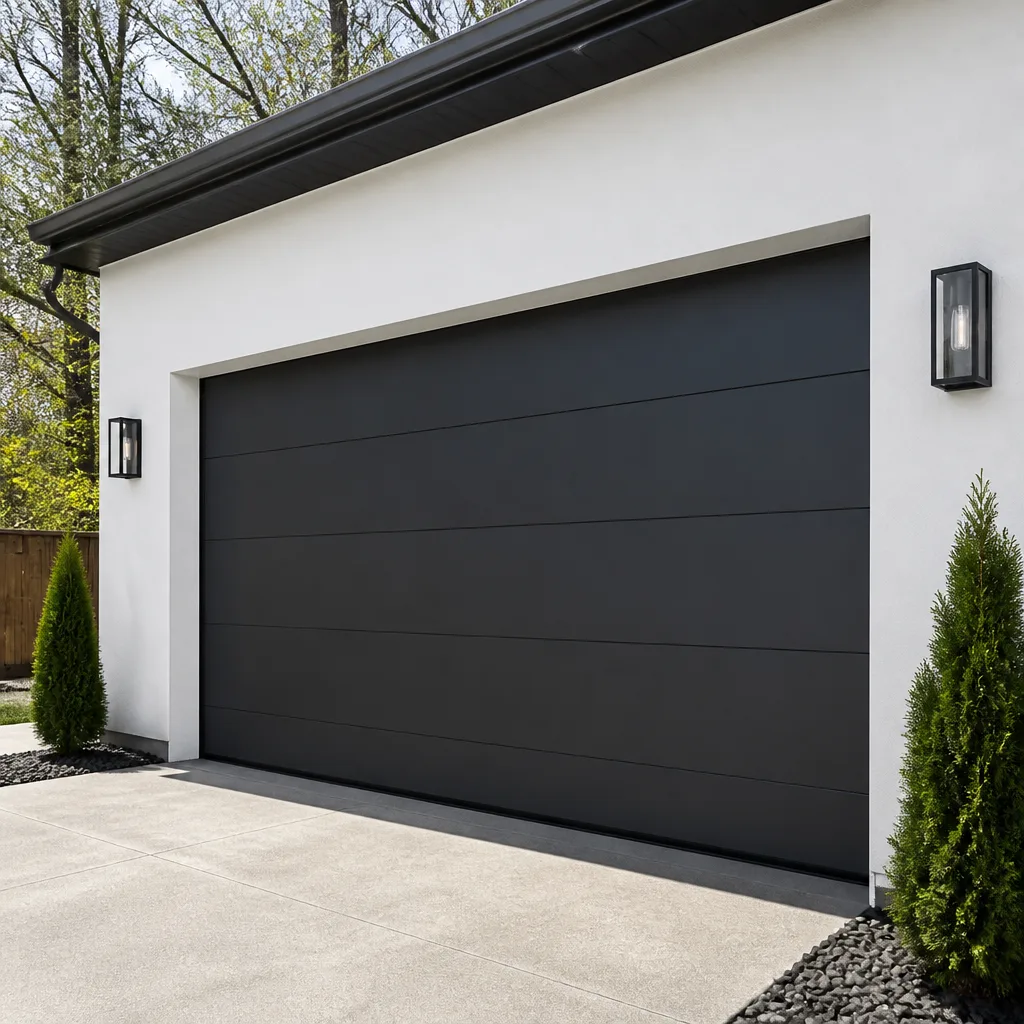 Modern flush
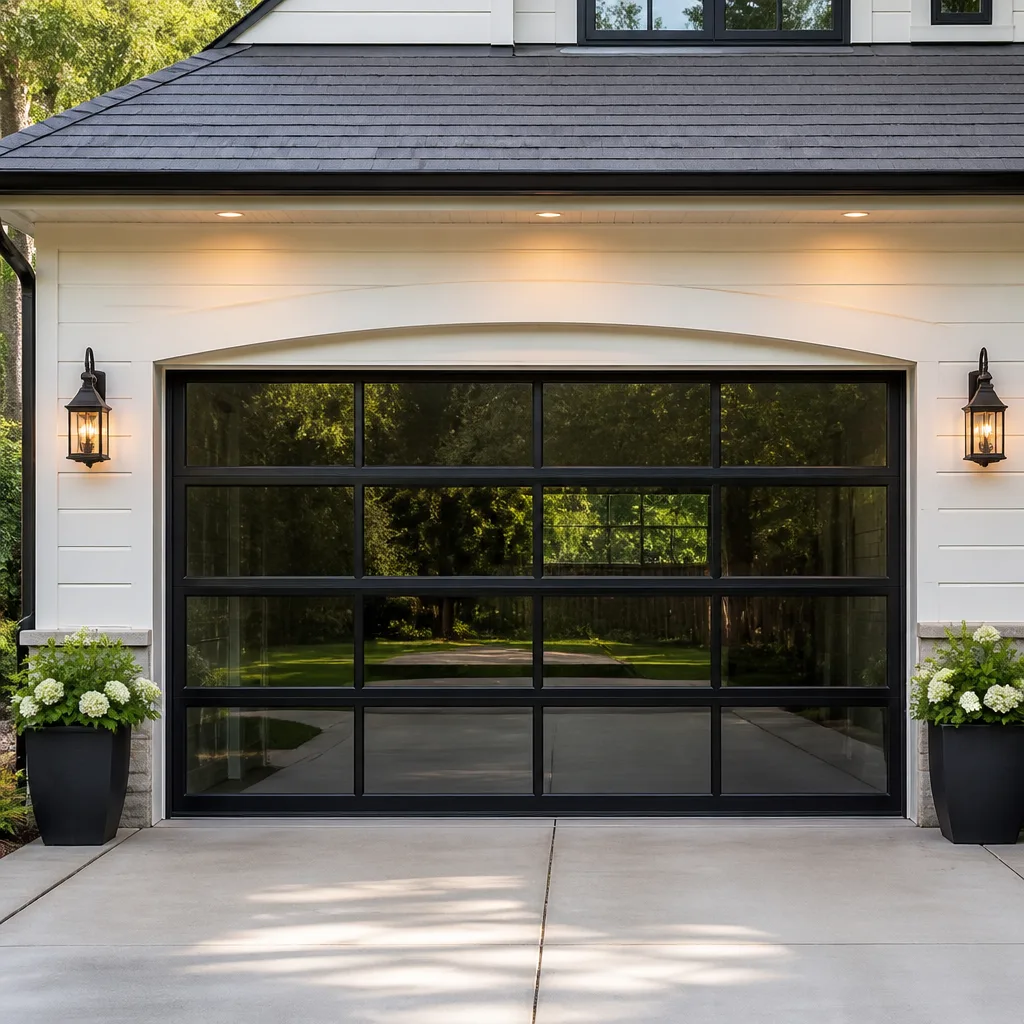 Full-view glass
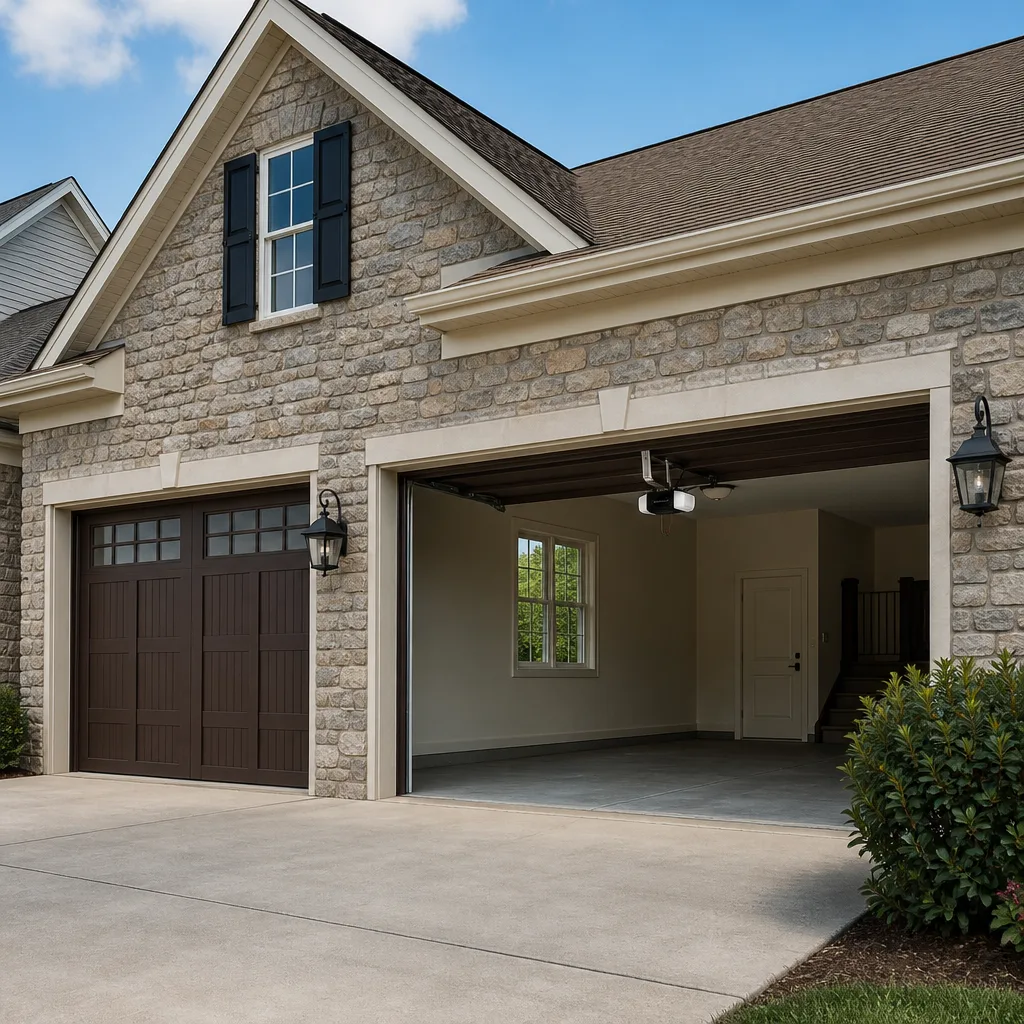 LiftMaster openers
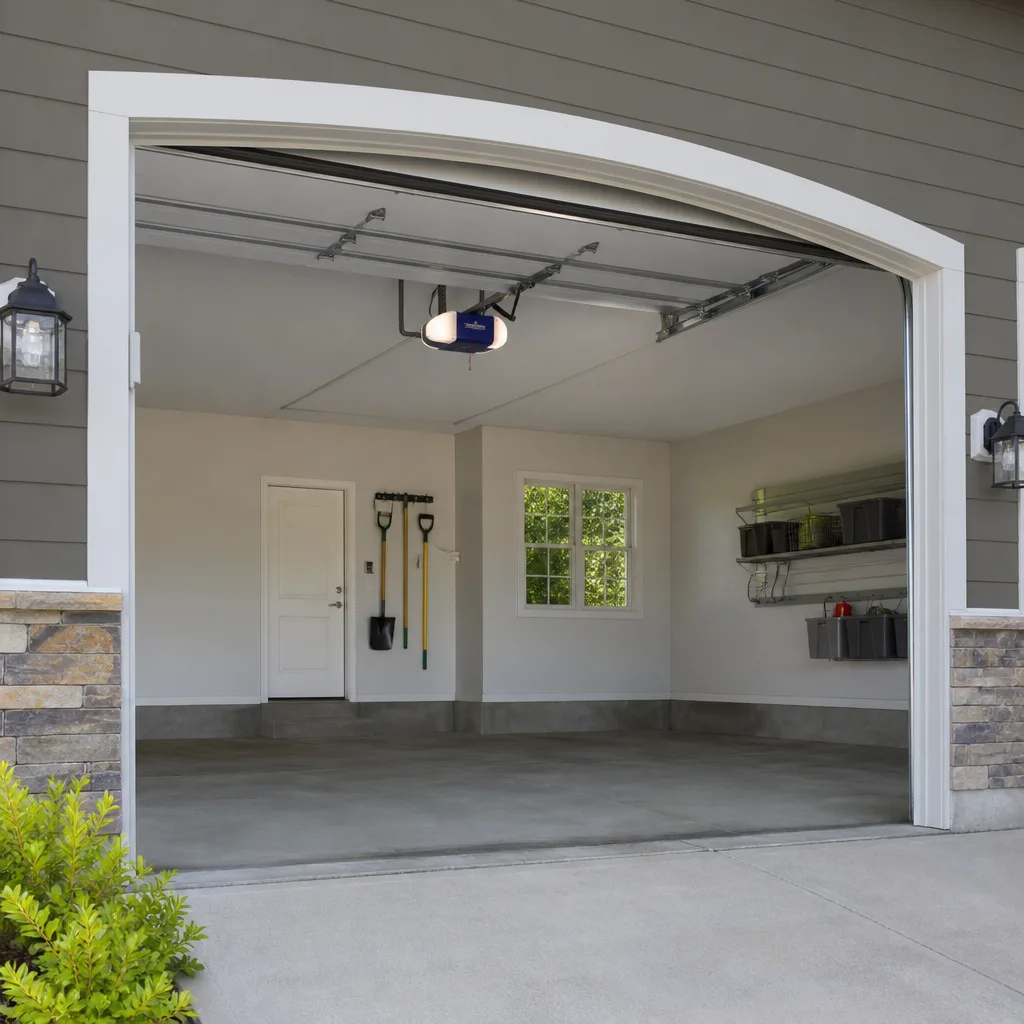 Chamberlain openers
Full 25-point door and opener safety check with every visit - springs, cables, rollers, tracks, and your LiftMaster or Chamberlain opener included
You get a price before we start. It does not change when the truck arrives.
Get your free estimateThe Complete Guide to Garage Doors in Livermore
Most Livermore homeowners choose a garage door the way they’d choose a couch: by look, by feel, by what photographs well. Then July arrives. Livermore logs more 100°F days than nearly any other Bay Area city, and that heat is quietly destroying garage doors that were sold as “California-ready.” The steel panel that looked crisp in a Fremont showroom can turn a west-facing Livermore garage into a convection oven, warp a wood door until it binds in the tracks, and cook opener electronics to early failure. This guide maps every garage door decision, from material and insulation to opener type and spring sizing, against Livermore’s actual conditions. By the end, you’ll know what works here, what doesn’t, and why.
Styles & brands we work with
- Raised-panel steel
- Carriage house
- Modern flush
- Full-view glass
- LiftMaster openers
- Chamberlain openers
Quick Answer
Garage doors in Livermore need to be selected around dry heat, strong afternoon sun on west-facing exposures, and HOA restrictions in many planned communities. The right combination is typically an insulated steel or composite door with a belt-drive opener and torsion springs sized for your specific door weight, not a universal spec. We’ll walk through each decision below so you can choose a door that lasts in this climate.
Table of Contents
- How Livermore’s Climate Changes Garage Door Choices
- Materials: Steel, Wood, Composite, and What Actually Lasts Here
- Insulation: R-Value Claims vs. Real World Performance
- HOA Rules in Livermore: Getting Approval Without Starting Over
- Torsion Springs: Why Hillside Lots Change the Math
- Openers: What to Buy for a Quiet, Reliable Livermore Garage
- Decision Tree: Matching Door, Opener, and Brand to Your Actual Use
- Common Mistakes to Avoid
- When to Call a Professional
- Frequently Asked Questions
- The Bottom Line
How Livermore’s Climate Changes Garage Door Choices
Livermore sits in the Tri-Valley, inland from the Bay’s marine layer. That means hot, dry summers with regular triple-digit days, cool but mild winters, and afternoon winds that pick up through the Altamont corridor. None of this is dramatic weather. But it is specific, and it affects garage doors in ways that coastal Bay Area cities never experience.
Dry heat does two things to a garage door. First, it bakes the exterior finish. Dark-colored steel doors in Livermore can reach surface temperatures far higher than the air temperature on a July afternoon. The paint on a low-quality panel will chalk and fade within a few seasons, and the adhesive in some decorative laminate layers will start to separate. Second, heat builds up inside the garage itself. A non-insulated door on a west-facing wall turns the garage into a heat sink that pushes into the house, which is why insulation selection matters more here than in Oakland or San Francisco.
The wind is the other factor. Livermore’s afternoon gusts stir up dust and fine grit. Doors with cheap nylon rollers or unlubricated hinges wear faster in these conditions. The grit works into the track and the roller bearings, which is why roller quality and regular cleaning matter on every home in Livermore, not just the ones near open space.
What This Means for Your Door
- Avoid dark colors unless the door is specifically rated for high solar exposure, or the panel is insulated with a thermally broken design that reduces heat transfer.
- Protect west-facing garages with insulation and a lighter finish, since they take direct afternoon sun during the hottest part of the day.
- Choose rollers with sealed bearings. We replace more noisy, worn rollers on homes near the hills and open corridors where wind-driven grit is constant.
- Plan for maintenance twice a year in Livermore, even on a new door, because dry conditions and dust accelerate wear on moving parts.
When we perform garage door repair around Livermore, the failures we see most often track directly to this climate profile: warped wood panels, fatigued springs from thermal cycling, and opener gear wear from running in a hot garage.
Materials: Steel, Wood, Composite, and What Actually Lasts Here
The showroom is a terrible place to judge how a door will perform in Livermore. A wood door that stays beautiful in a cool coastal town will dry out, crack, and warp when it faces years of 100-degree days and single-digit humidity. The material decision comes first because everything else, springs, opener power, maintenance schedule, follows from it.
Steel Doors
Steel is the default in Livermore for good reason. It’s dimensionally stable in heat, holds paint well when factory-finished, and resists the grinding dust better than wood. The trade-off is heat transfer: an uninsulated steel door gets hot to the touch and radiates that heat into the garage. The fix is insulation, which we cover below. A quality steel door with a factory finish from a brand like Amarr or Clopay will hold up well in this climate for many years, provided the bottom seal is replaced when it wears.
Wood Doors
Wood doors are beautiful, and we install them. But Livermore is hard on them. The summer heat pulls moisture out of the wood, and when the winter rains arrive, the wood swells. That seasonal movement eventually cracks finishes and can twist panels. If you choose wood, expect more maintenance: resealing every couple of years, checking for cracks, and adjusting the door as it shifts. Wood also weighs more, which means stronger springs and more strain on the opener.
Composite Doors
Composite doors are the middle path that many Livermore homeowners don’t know about. They combine a wood-look outer layer with a synthetic core that doesn’t absorb moisture the way natural wood does. They handle the dry heat better than wood and insulate better than basic steel. A composite door costs more upfront but tends to need less work over its life in this climate. Brands like Wayne Dalton and Amarr make composite and steel-backed insulated doors that suit Tri-Valley conditions.
Material Comparison for Livermore
| Material | Heat Tolerance | Maintenance in Dry Climate | Typical Livermore Fit |
|---|---|---|---|
| Insulated Steel | High | Low | Best overall for most homes |
| Composite | High | Low to moderate | Great for wood-look HOAs |
| Non-insulated Steel | Moderate | Low | Detached garage, budget build |
| Natural Wood | Low | High | Choose only with a maintenance plan |
Insulation: R-Value Claims vs. Real World Performance
Here’s a point competitors miss: the R-value printed on a garage door spec sheet is measured in a lab. It tells you something about the door panel, but it doesn’t tell you what a west-facing Livermore garage feels like in July. Insulation performance is only as good as the seals around the door, and heat enters through the top, the sides, and the bottom as much as through the panel itself.
A west-facing garage in Livermore gets hammered by afternoon sun. The exterior surface of the door heats up, and that heat moves through the panel into the garage. A door with polystyrene insulation in the panel will slow that transfer. A door with no insulation will not. But if the side weatherstripping is cracked or the bottom seal is flattened, the best insulated panel in the world won’t keep the garage cool, because hot outside air is pouring in around the edges.
Here’s what actually matters for real-world insulation performance in Livermore:
- Panel insulation thickness and type. Look for a door with a steel or aluminum backer, not a bare panel with insulation glued on. The backer protects the insulation and improves rigidity.
- Perimeter seals. Fresh weatherstripping around the sides and top, and a bottom seal that compresses evenly against the floor. We inspect these on every installation in Livermore because hot air and dust sneak in through small gaps.
- Thermal breaks. Some higher-end doors have a break between the interior and exterior steel skins. This reduces direct heat transfer through the panel, and it matters on west-facing doors.
- Garage door windows. Glass is a thermal hole. If you want windows in a west-facing door, use insulated glass and limit the number of panels with glass.
One common misconception: a higher R-value door will make the garage a comfortable living space. It won’t. Garages are not conditioned spaces. What insulation does is slow heat gain enough that the garage doesn’t bake, which protects stored items, keeps the house wall between garage and living space cooler, and reduces the load on an opener’s electronics. That’s the realistic goal.
HOA Rules in Livermore: Getting Approval Without Starting Over
Livermore has a patchwork of homeowner associations, particularly in the newer planned neighborhoods and master communities spread across the city. The rules vary block by block. Some HOAs are lenient, others have specific approved door styles, color palettes, and even window configurations. If you live in a community with architectural review, you cannot simply order a door and have it installed. You need approval first.
The neighborhoods where we see the strictest guidelines tend to be the newer subdivisions where uniformity was part of the original design. Older Livermore neighborhoods near downtown often have fewer restrictions, but pockets with historic character can still carry design expectations. The only way to know your situation is to check your HOA’s CC&Rs or call the management company.
Steps to Get HOA Approval for a New Garage Door
- Pull your HOA documents. Look for the architectural guidelines section. It will list approved materials, colors, and sometimes specific manufacturers or door profiles.
- Photograph your existing door and neighboring doors. HOAs want consistency. A door that matches the prevailing style on your street has the best chance.
- Request a sample or color swatch from the door supplier. Many HOAs want to see the actual finish, not a brochure photo.
- Submit the application with the door specs, color, and a photo mockup if possible.
- Wait for written approval before ordering. Never order a custom door on a verbal assurance from a neighbor or board member.
If an HOA rejects a first choice, it’s usually about color or window style, not the door itself. We have helped Livermore homeowners adjust specifications to meet approval, and in most cases the difference comes down to a lighter paint tone or removing windows from a panel. When you work with us on a garage door repair or replacement, ask about HOA-friendly options if you’re unsure about your community’s rules.
Torsion Springs: Why Hillside Lots Change the Math
Livermore is flat in the center and rises into rolling hill country on the north and south sides. That topography matters for garage doors in one specific way: a garage on a sloped lot often sits on a slab that isn’t perfectly level relative to the walls. The floor may slope slightly toward the door opening or toward a side wall. It’s usually a small difference, but when a technician sizes torsion springs, they calculate the exact door weight and balance. If the floor is out of level, the door doesn’t sit square in the opening, and that changes how the springs perform.
Torsion spring sizing is not a universal thing. A door that weighs 160 pounds needs different springs than one that weighs 200 pounds, even if both are 16 feet wide. Add a hillside slab with a quarter-inch slope, and the door’s weight distribution shifts. A spring that was correct on paper will leave the door heavy at one side or cause uneven cycling. This is why we don’t use a one-size-fits-all spring chart when we do garage door repair in Livermore. We weigh the door, check the balance by hand, and check the spring wire size and length against what’s actually needed.
Springs should always be replaced in matched pairs. If one spring from a pair breaks, the other has cycled just as many times and is nearing the end of its life. Replacing one spring leaves an unbalanced system, which wears the opener faster and makes the door difficult to lift manually. We replace springs as a pair, using the correct wire gauge and inside diameter for the door’s exact weight and track configuration.
Safety note: torsion springs are under high tension and can cause serious injury if released improperly. Never attempt to remove or adjust a spring yourself. The winding and unwinding requires specific tools and training. If a spring breaks, leave the door closed and call a professional.
Openers: What to Buy for a Quiet, Reliable Livermore Garage
The garage door opener is the part homeowners interact with most, and the one that fails in ways that are easy to ignore until the door won’t move. Livermore’s heat accelerates opener failures because the motor, circuit board, and gears sit in a hot garage. Electronics degrade faster at sustained high temperatures, and plastic gears become brittle over time.
Belt Drive vs. Chain Drive vs. Screw Drive
- Belt drive is the quietest and the best choice for attached garages, where bedroom or living space sits above or beside the garage. A steel-reinforced belt won’t clatter like a chain. We recommend belt drive for most Livermore homes because the garages are attached and noise travels.
- Chain drive is less expensive but louder. It works, and it’s often what’s already installed. If your garage is detached and noise isn’t a concern, chain drive is a reliable budget option.
- Screw drive is an older design that has mostly fallen out of favor. It has fewer moving parts but can be noisy and temperature-sensitive, which is a problem in a hot garage.
Smart and Battery Features
Most modern openers from LiftMaster, Chamberlain, and Genie include smart features like app control and battery backup. In Livermore, where power outages from heat waves are a real consideration, a battery backup on the opener keeps you from being locked out when the power goes down. If you’re installing a new opener, consider one with DC motor technology, which starts and stops more gently than older AC motors and tends to run quieter.
When an opener fails, most homeowners assume they need a full replacement. Often, the problem is a stripped gear, a failed capacitor, or a bad logic board, and a targeted garage door opener repair is cheaper and faster than a full swap. We carry parts for LiftMaster, Chamberlain, Genie, Craftsman, and Raynor, so the fix isn’t dependent on which logo is on the motor housing.
Decision Tree: Matching Door, Opener, and Brand to Your Actual Use
The right garage door is not the one with the most features. It’s the one that fits how you actually use your garage. Here’s a decision tree we use with Livermore homeowners to narrow the options without upsell logic.
- How do you use the garage? If it’s parking only, a basic insulated steel door with a chain-drive opener will do. If it’s a workshop, gym, or storage space, upgrade the insulation and choose a belt drive for comfort and noise control.
- Which way does the door face? West-facing door: prioritize insulation, a lighter color, and insulated glass if windows are a must. North or east-facing: less heat gain, so standard insulation is fine.
- Is the garage attached or detached? Attached: belt drive for quiet operation. Detached: chain drive is acceptable and saves money.
- Do you live in an HOA community? Check the architectural guidelines before selecting a door style or color. Composite wood-look doors often satisfy appearance rules without the maintenance of real wood.
- What brand is your current opener? You don’t need to match the door brand to the opener brand. We work on all major brands including LiftMaster, Chamberlain, Genie, Clopay, Amarr, Wayne Dalton, Craftsman, and Raynor, so you can choose the best door for your home without compatibility concerns.
- What’s your long-term plan? If you’ll keep the home for many years, invest in a quality insulated door and a premium opener now. If you’re selling soon, a clean mid-range steel door will serve you well without over-improving.
This tree gets you to the right answer without wandering through a showroom of options that look great but don’t fit your conditions. We’d rather install a simple door that works for your exact situation than a premium door that fights the climate and your budget.
Common Mistakes to Avoid
- Choosing a dark door for a west-facing garage. In Livermore, that’s a door that will fade, radiate heat into the garage, and potentially warp if it’s wood. Choose lighter finishes or thermally broken construction.
- Ignoring the bottom seal. A worn bottom seal lets in hot air, dust, and rodents. It’s a $20 part that we see neglected on most repair calls in Livermore, and it undermines any insulation you paid for.
- Buying an opener without considering noise. A chain drive in an attached garage will echo through the house. If there’s a bedroom above the garage, nobody sleeps through a 6 a.m. chain clatter. Choose belt drive and save the household.
- Replacing only one spring. Springs are a set. Replacing one leaves the door unbalanced and shortens the life of the new spring and the opener. Always replace both.
- Skimping on rollers and hinges. Livermore’s dust accelerates wear on cheap nylon rollers. Sealed-bearing nylon rollers last longer and run quieter. It’s a modest upgrade with real payoff.
- Skipping the HOA check. Ordering a door that your HOA won’t approve means either fighting the board or returning a custom door. Check first, order second.
- Treating a broken spring as a DIY project. Torsion springs carry enough stored energy to cause serious injury. This is one repair that always calls for a professional.
When to Call a Professional
Some jobs are decided by skill and safety, not enthusiasm. If a torsion spring breaks, the door is off its tracks, or the opener is showing electrical symptoms like a burning smell or repeated breaker trips, stop and call. These are not projects where watching a video and picking up a wrench is the right move. A garage door weighs hundreds of pounds, and the spring system is dangerous to work on without training.
There are also cases where a professional will save you money, not just risk. If your door is noisy, binding, or uneven, the problem is often a combination of worn rollers, misaligned tracks, and tired springs, not any single part. Guessing and replacing parts one at a time gets expensive. A technician can diagnose the whole system in one visit.
Garage Door Repair Livermore offers free estimates in Livermore. Call (833) 593-6272. We answer 24/7. Fast dispatch from 7am to 7pm, Sunday through Friday.
Frequently Asked Questions
In Livermore, a new insulated steel garage door with installation typically falls in the range of $1,600 to $4,800 depending on size, insulation level, windows, and brand. A composite or wood-look door runs higher, while a basic non-insulated single door can start around $1,200. The written estimate sets the final price, and we quote it before any work starts. Call (833) 593-6272 for a free estimate.
In Livermore, a well-maintained insulated steel door lasts 20 to 30 years, while a natural wood door may need extensive work or replacement in 12 to 15 years due to dry heat and seasonal moisture changes. Opener motors typically last 10 to 15 years in the heat, with electronics sometimes failing sooner. Regular maintenance extends all of these.
We answer 24/7. Fast dispatch from 7am to 7pm, Sunday through Friday. For spring failures, we can usually complete a garage door repair the day you call, since we carry springs and common parts on the truck.
The price is quoted and agreed before any work starts, based on what the technician sees during the inspection. The written estimate is the price, period. If something unexpected comes up during the work, we discuss it with you before proceeding.
Most cities require a permit for structural changes, but a direct garage door replacement usually falls under simple repair and maintenance. Livermore’s building department can confirm if your specific situation needs a permit. For installation on a new opening or significant structural work, ask the city directly.
We carry a brand-agnostic approach, with certified working knowledge of LiftMaster, Chamberlain, Genie, Clopay, Amarr, Wayne Dalton, Craftsman, and Raynor. Whether it’s a LiftMaster motor replacement or a Wayne Dalton panel install, the right fix isn’t dependent on which logo is on the door. Call (833) 593-6272 to schedule garage door opener repair in Livermore.
The Bottom Line
Livermore’s garage door needs are shaped by heat, wind, and HOA rules, not by showroom appeal. An insulated steel or composite door with a belt-drive opener, sealed-bearing rollers, and fresh perimeter seals solves most of the problems this climate throws at a garage. Torsion springs need to be sized to the actual door weight, especially on hillside lots where the floor isn’t level. And any door in an HOA community needs written approval before it’s ordered. If you’re planning a replacement or need a repair, call (833) 593-6272. We answer 24/7. Fast dispatch from 7am to 7pm, Sunday through Friday. Free estimates, and the price is always agreed before work begins.
Written by the team at Garage Door Repair Livermore, serving Livermore since 2012.
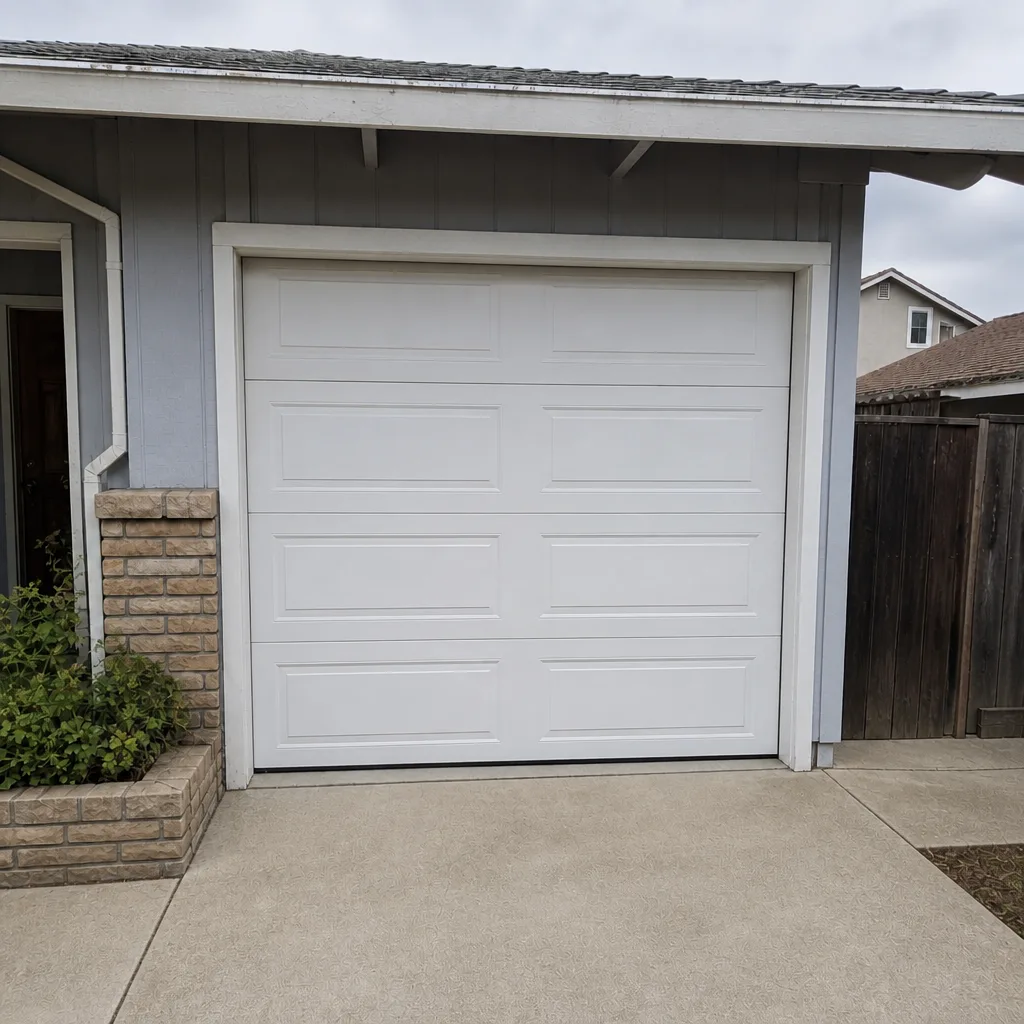
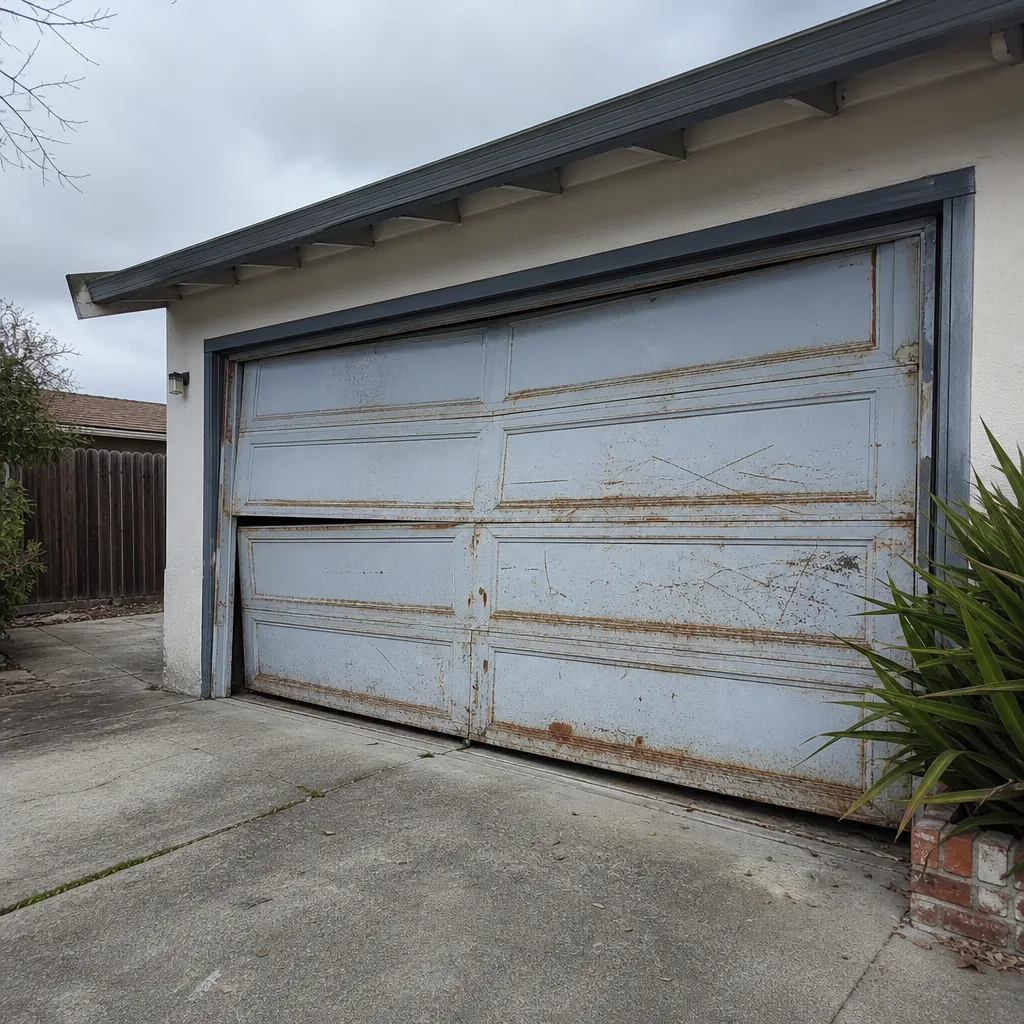
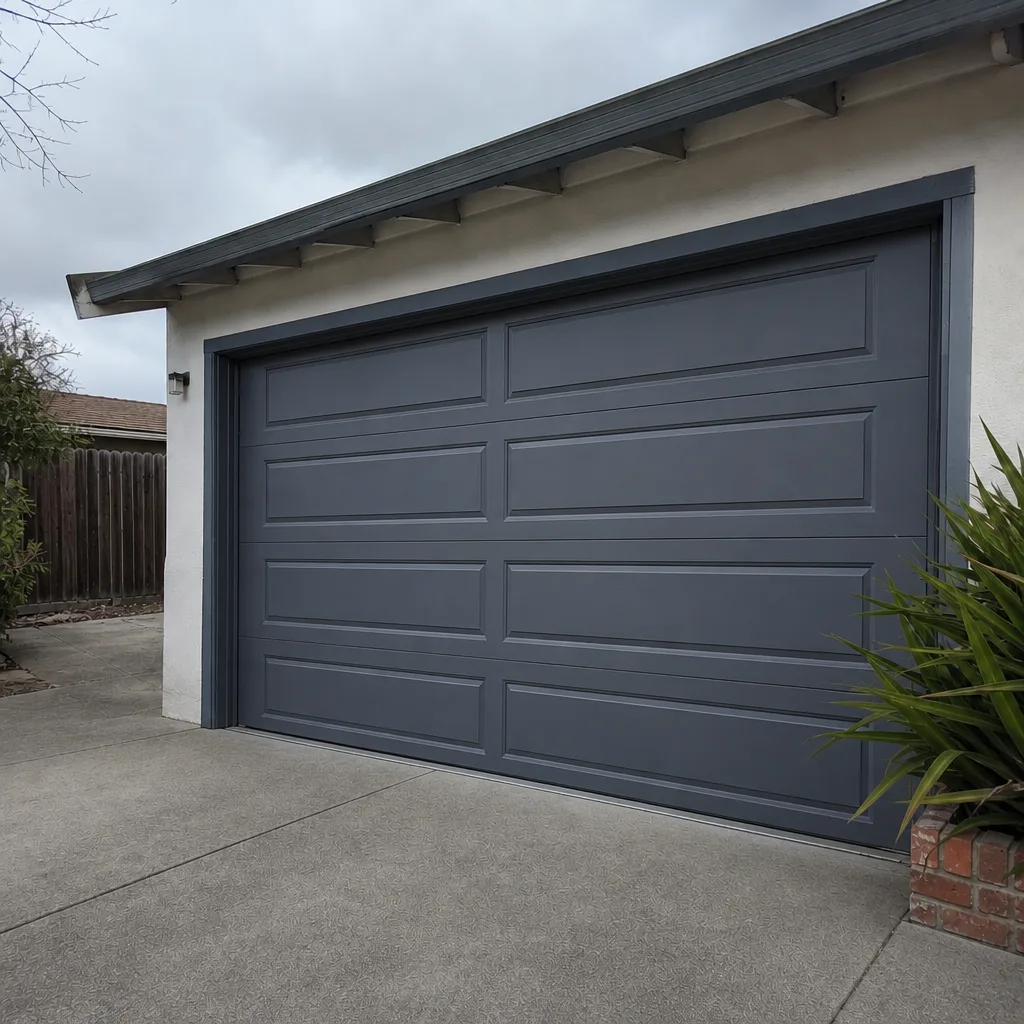
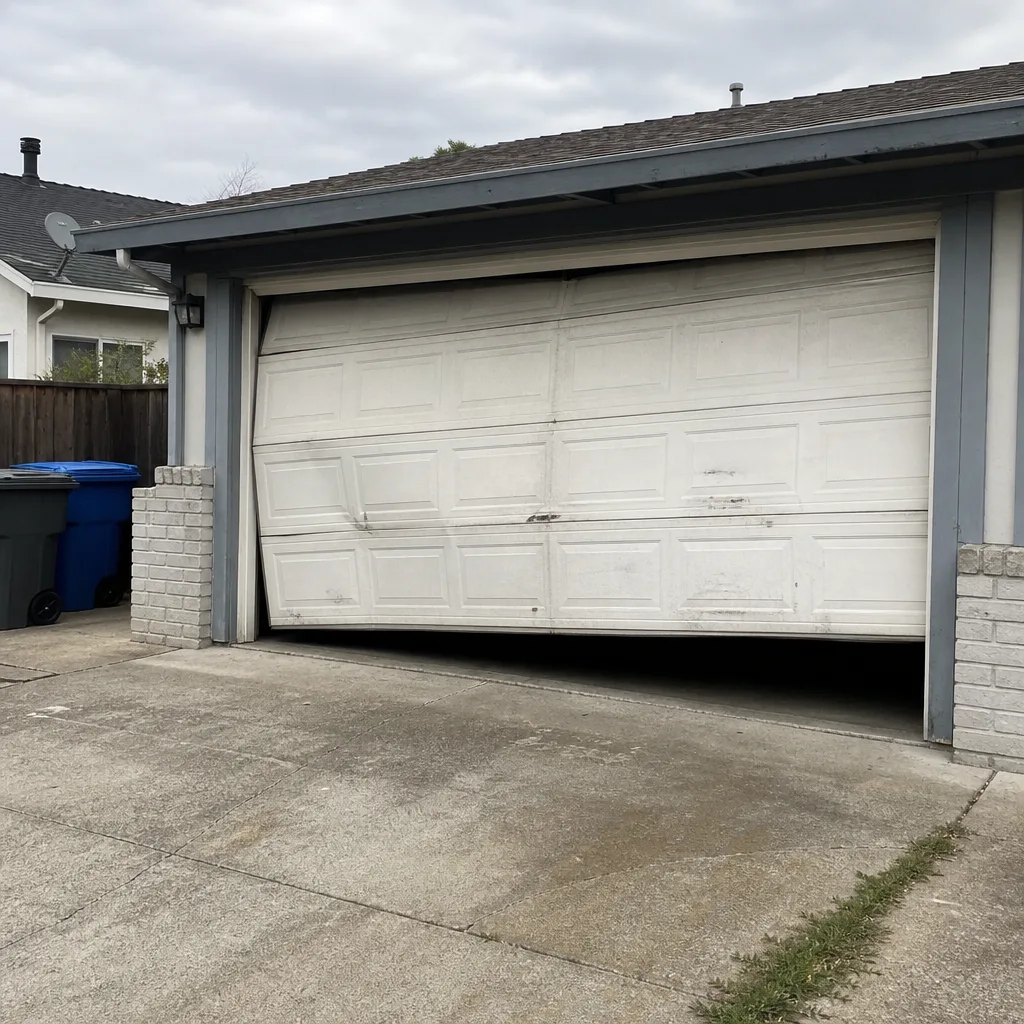
See the difference
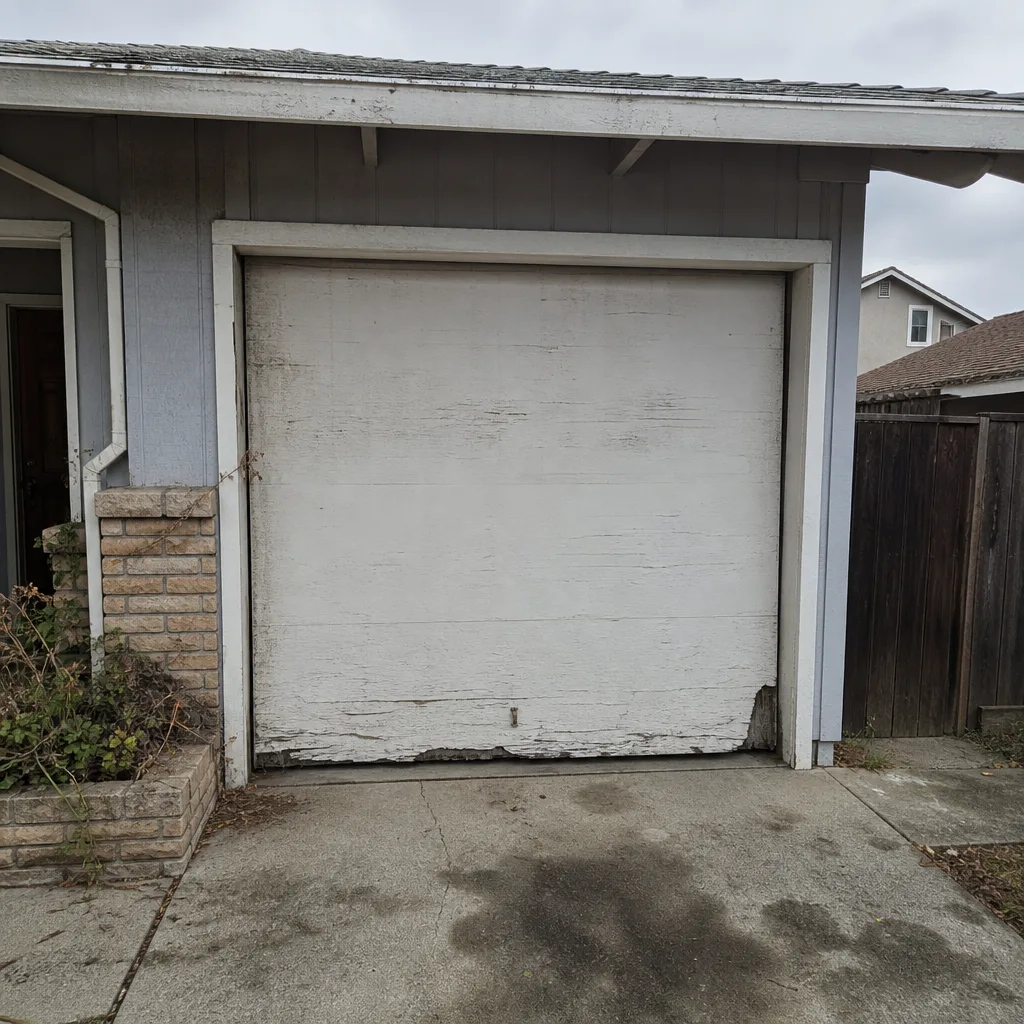 Before
 After
 Before
 After
 Before
 After