
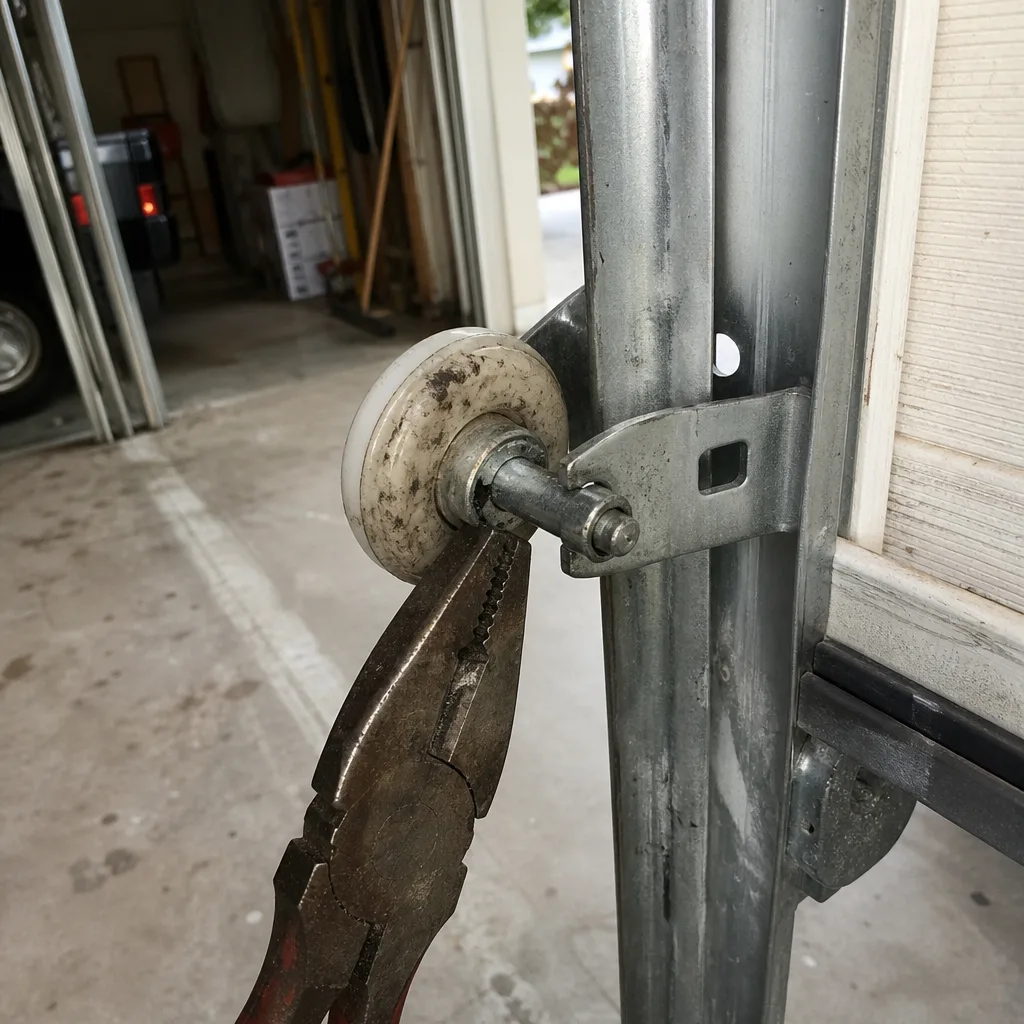
Last updated November 4, 2026
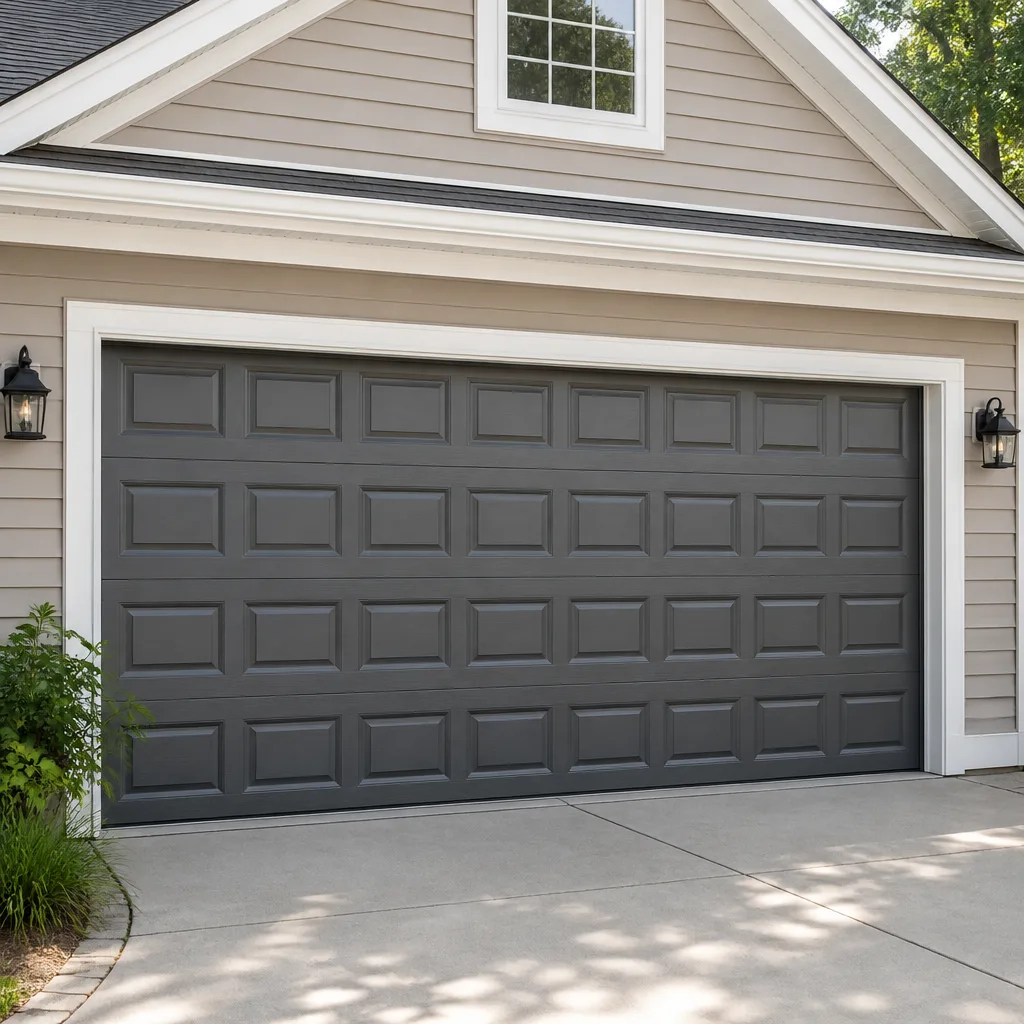 Raised-panel steel
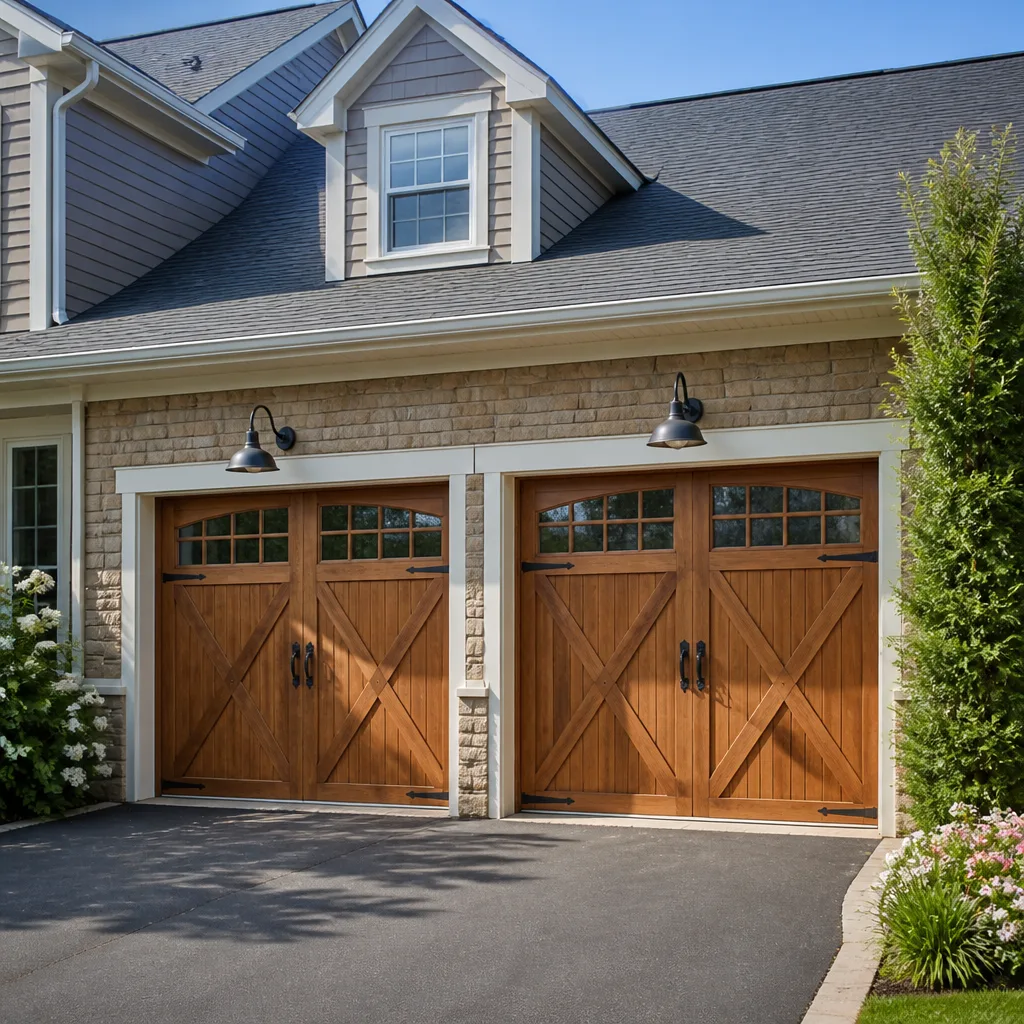 Carriage house
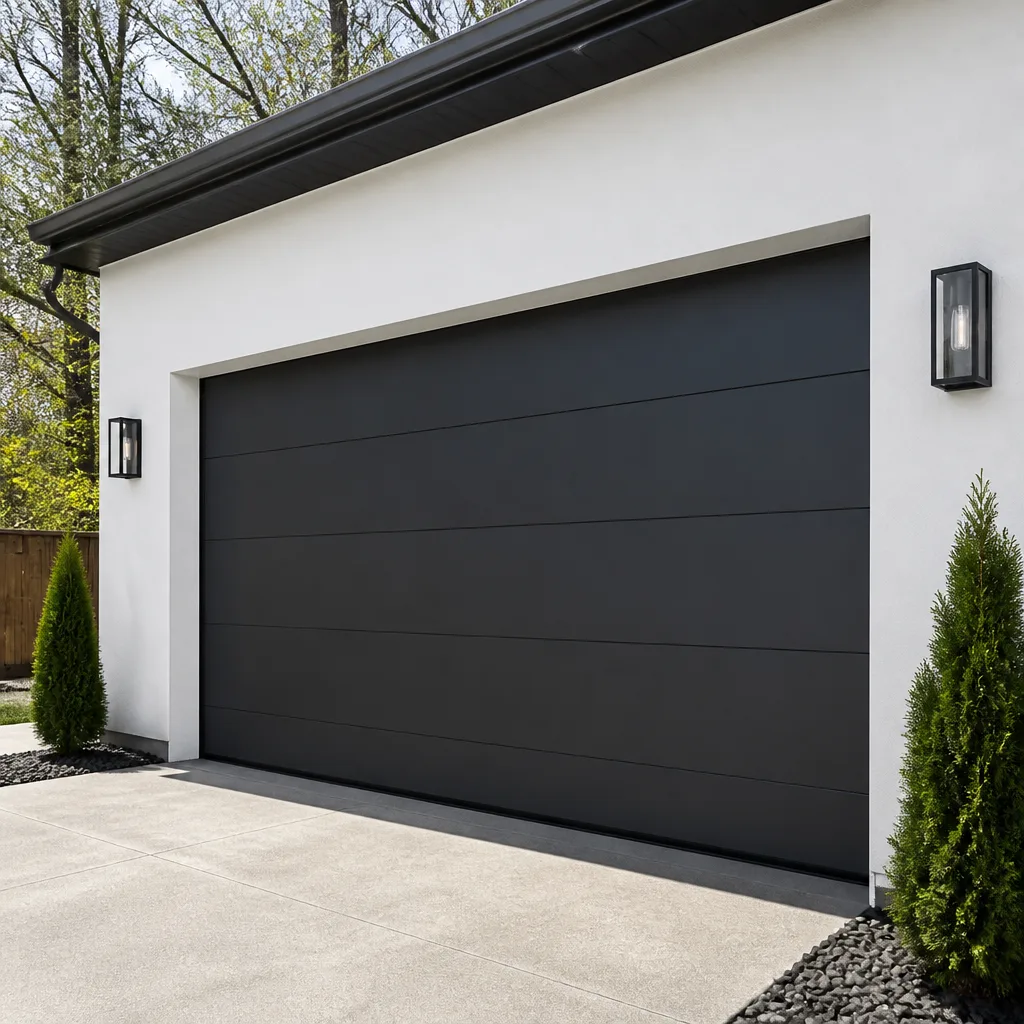 Modern flush
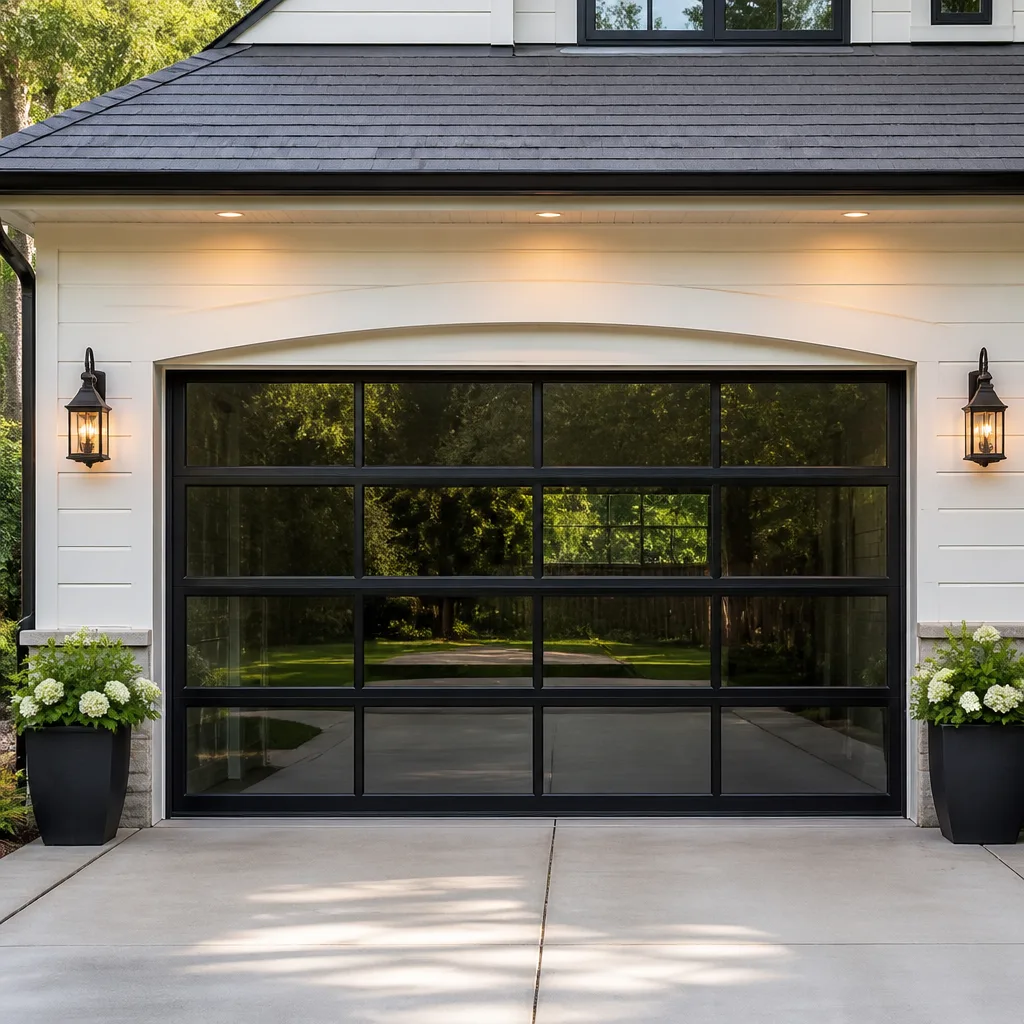 Full-view glass
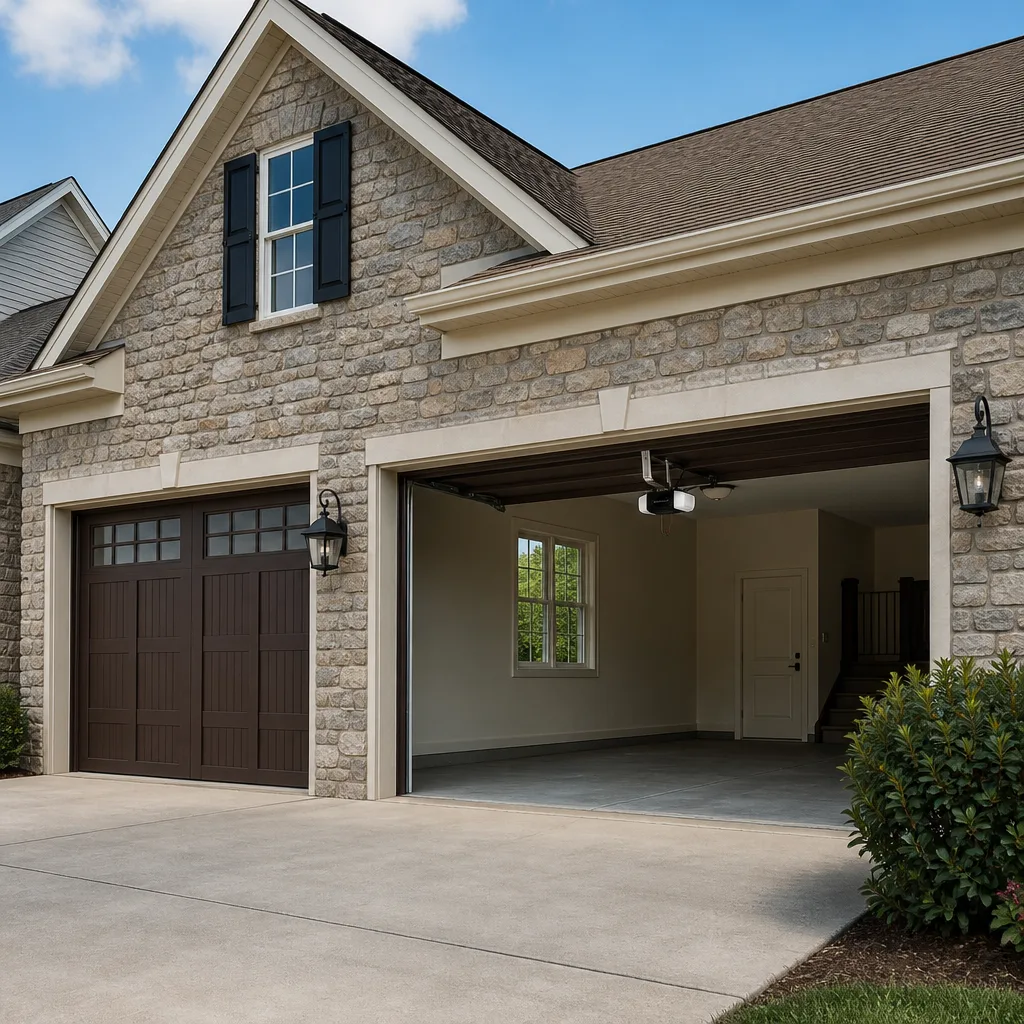 LiftMaster openers
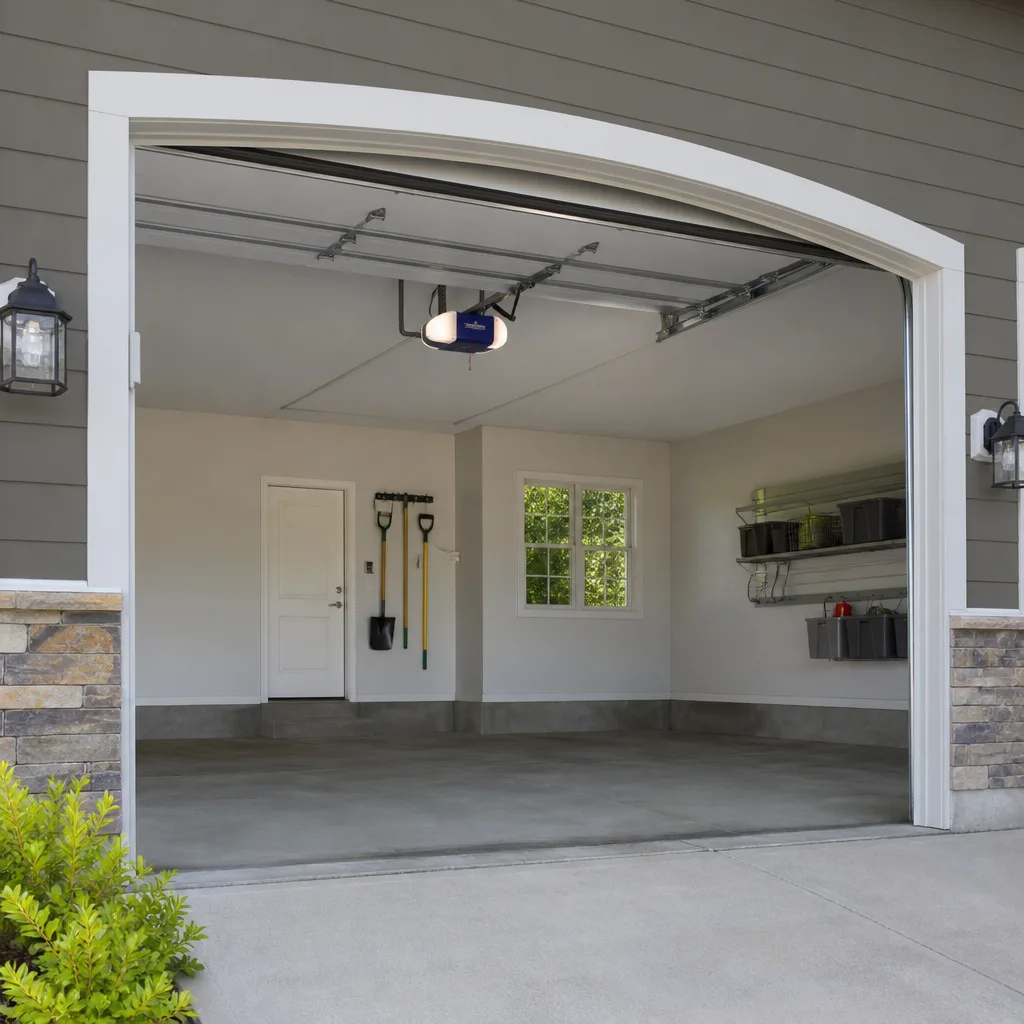 Chamberlain openers
Full 25-point door and opener safety check with every visit - springs, cables, rollers, tracks, and your LiftMaster or Chamberlain opener included
You get a price before we start. It does not change when the truck arrives.
Get your free estimateGarage Door Permits, Codes & Inspections in Livermore, CA: What You Need to Know
If your installer tells you “you never need a permit for a garage door” in Livermore, that’s not reassurance, it’s a sign they haven’t read the City of Livermore’s current building requirements. Most homeowners assume a garage door swap is a no-permit job, and they’re sometimes right. But the exceptions are common enough, and the consequences significant enough, that every homeowner should know exactly where the line is before they sign an installation contract. This guide walks through the scenarios that trigger permits in Livermore, what California’s Title 24 energy code demands, how inspections actually work, and what happens if you skip the process entirely.
Styles & brands we work with
- Raised-panel steel
- Carriage house
- Modern flush
- Full-view glass
- LiftMaster openers
- Chamberlain openers
Quick Answer
Replacing an existing garage door with a door of the same size and weight in Livermore typically does not require a building permit. However, any project that changes the rough opening, modifies structural headers, adds a new door where none existed, or alters tracked walls does require permits and inspections through the City of Livermore’s Building Division. The safest move is to ask your city’s building department directly before work begins, because the final call belongs to them.
Table of Contents
- When Does a Garage Door Project Need a Permit in Livermore?
- When a Permit Is Not Required
- How California Title 24 Affects Garage Doors
- What the Livermore Inspection Process Looks Like
- HOA Approval vs. City Permit: Two Parallel Processes
- What Happens With Unpermitted Garage Door Work
- Common Mistakes to Avoid
- When to Call a Professional
- Frequently Asked Questions
- The Bottom Line
When Does a Garage Door Project Need a Permit in Livermore?
The general rule in Livermore is straightforward: like-for-like replacement does not need a permit. Change the structure around the door, and you do. The Building Division looks at whether the wall itself is being altered, not just whether a door is going in. That distinction catches a lot of homeowners off guard, because they assume “replacement” covers everything.
Here are the specific scenarios that push a garage door project into permit territory in Livermore:
- Structural header changes. If the beam above the door opening is being replaced, reinforced, or repositioned, the city needs to review the structural math. Headers carry real load, and a wrong calculation affects more than your garage.
- New rough openings. Cutting a new door opening into an existing wall, or widening a current opening, is a structural change. This applies whether you’re adding a second garage door where a blank wall stood, or converting a single-car opening to a double.
- Panel count changes on tracked walls. Changing from a standard-height door to a high-lift setup, or switching the number of panels so the door follows a different track path, alters how the door loads the wall and ceiling. Livermore treats this as more than a simple swap.
- Converting a carport to an enclosed garage. This is a bigger project, but it starts with the door. If the enclosure creates a new rough opening, a permit is required for the entire scope, door included.
- Any project that adds electrical to the door assembly. If the new installation includes running power to a new opener circuit, the electrical portion may need its own review. Ask the building department how they want it handled for your specific setup.
For a straightforward garage door repair in Livermore, permits rarely come up. We’re usually replacing springs, panels, or tracks on an opening that already exists and hasn’t changed size. The permit conversation mostly lives on the installation side.
When a Permit Is Not Required
Most residential garage door replacements in Livermore fall into the no-permit category. If the new door fits the existing rough opening, uses the same mounting hardware, weighs about the same, and doesn’t involve electrical or structural changes, you’re generally clear. The city views this as maintenance of an existing system, not new construction.
Specific no-permit situations include:
- Replacing a worn-out sectional door with a new door from Amarr or Wayne Dalton in the same size and track configuration.
- Swapping a tired direct-drive opener for a new LiftMaster unit on an existing circuit.
- Replacing a single damaged panel, as long as the door’s total panel count and weight stay the same.
- Installing a new door with the same number of panels, same headroom, and same side clearances as the old one.
- Converting a manual door to a motorized one, provided an outlet already exists at the opener location and no new wiring is run.
That last one surprises people. If the outlet is already there, adding an opener is often treated as a plug-in appliance. Run new wire, and it’s an electrical modification. Same job, different scope depending on one outlet.
Even when a permit isn’t required, the work still needs to meet current building and safety codes. A permit is a review process, not a quality standard. You want a door that balances correctly, opens and reverses properly, and won’t pull its own tracks off the wall. Those expectations apply whether the city looks at it or not. When you call a Garage Door Repair Livermore technician for an installation, the written estimate sets the final price before any work begins, and the work is done to code regardless of permit status.
How California Title 24 Affects Garage Doors
California’s Title 24 energy standards reach further than most homeowners realize, and garage doors are in scope under specific conditions. The short version: if your garage is conditioned space, meaning it’s heated or cooled, the garage door counts as a building envelope component and insulation requirements apply. If your garage is unconditioned, the requirements are much lighter.
In Livermore’s climate, most garages are unconditioned. The mild winters and hot summers mean most homes don’t run ductwork into the garage or treat it as living space. But the exceptions matter. Here’s what Title 24 asks you to consider:
- Conditioned garages. If your garage has insulation in the walls, shares a conditioned air system with the house, or is being converted to living space, the door’s thermal performance becomes part of your Title 24 compliance.
- Insulation requirements. Doors on conditioned garages typically need to meet a minimum thermal resistance. The exact number depends on your climate zone and the overall building energy model, so ask the building department or your installer to confirm the requirement for your address.
- Door-to-garage separation. The wall and door between the house and the garage already has fire separation requirements. Title 24 adds an air-sealing component in conditioned scenarios, which is why a proper weather-stripping job matters beyond comfort.
- Documentation. When a permit is required, the installer may need to submit the door’s thermal performance data as part of the package. Keeping the manufacturer’s cut sheet for your new Clopay or Amarr door makes compliance easier.
- Opener standby power. Newer opener models draw power even when idle. Title 24 addresses maximum standby consumption for certain appliances, and some Livermore homeowners ask about it. A modern opener from Craftsman or Raynor typically meets current standards out of the box, but it’s worth confirming on the spec sheet if you’re submitting a permit.
The point most installers skip is that Title 24 is triggered by the building’s status, not the door itself. A door that needs no efficiency paperwork on an unconditioned garage suddenly matters when the garage becomes a gym, workshop, or ADU conversion. If you’re planning any of that, bring it up before the door goes in. Our team works with all major brands, including Amarr and Wayne Dalton, and we help Livermore homeowners sort out what their specific project requires.
What the Livermore Inspection Process Looks Like
If your project does require a permit, the inspection process is methodical and predictable. Most Livermore homeowners are surprised at how much of the work centers on the rough opening, not the door itself. The city cares about the structure holding the door, because that’s where safety lives.
Here’s the typical sequence for a permitted garage door installation in Livermore:
- Permit application. Submit the project description, door specifications, and any structural drawings to the City of Livermore’s Building Division. If the header or opening is changing, expect to provide engineering details.
- Rough opening inspection. Before the new door is installed, an inspector verifies the framing, header, and anchor points match the approved plan. This is the structural checkpoint. If it fails, nothing gets covered up.
- Door installation. Once the rough opening passes, the new door, tracks, springs, and opener go in. The work follows the same manufacturer installation standards used on any professional job.
- Final inspection. An inspector returns to verify the door operates correctly, balances properly, reverses on obstruction, and that all safety features work. They’ll also check that the installation matches the approved scope.
- Sign-off. When the final inspection passes, the permit closes. Keep documentation in your home sale file.
Timeline varies with volume. Summer is busier than winter for Livermore’s building department, and a simple final inspection may get scheduled faster than a structural review. Most straightforward garage door permits process in a few weeks total. Ask the building department for current turnaround when you file.
In our experience, homeowners who have their documentation ready move through the process faster. A clear door spec sheet, a written scope of work, and a knowledgeable installer make the inspections feel routine instead of stressful. If your opener repair needs help, garage door opener repair in Livermore is its own specialty for us, and we handle permitted installations with the same focus.
HOA Approval vs. City Permit: Two Parallel Processes
Here’s a distinction that trips up Livermore homeowners every month: an HOA approval and a city permit are two separate things, governed by two separate entities, and neither one satisfies the other. Your HOA cares about appearance. The city cares about structure and safety. A door can pass one review and fail the other.
Livermore has a number of planned communities and homeowner associations, and many have design review committees with specific rules about garage door styles, colors, and materials. You might need HOA approval to install a specific door even when the city doesn’t require a permit at all. Or the city might require a permit for the structural change while the HOA only cares that the door faces match the neighborhood standard.
What this means in practice:
- Start both processes early. File the city permit and submit the HOA design review request at the same time. They move at different speeds, and neither waits for the other.
- Read your CC&Rs. Your covenants, conditions, and restrictions document spells out what the HOA can enforce. Some Livermore HOAs limit door materials to specific brands or finishes. Wayne Dalton and Amarr both make HOA-friendly options, but the board has the final say.
- Expect potential conflict. Your HOA might prefer a carriage-house style that requires a heavier door, while the city’s structural review wants a lighter setup to avoid header modifications. When that happens, the structural requirement wins. The city outranks the HOA on safety.
- Get all approvals before ordering. A custom door ordered before HOA approval can become an expensive learning experience. Most manufacturers won’t accept returns on custom sizes or finishes.
- Document everything. Keep HOA approval letters in the same file as your city permit. When you sell the home, buyers ask for both.
The cleanest approach is to treat the whole project as a coordination job, not a single task. You’re managing a city process and a community process, and they rarely sync up on their own. A focused garage door company that handles installations regularly can help you understand what the city will want, but the HOA conversation belongs to you as the homeowner.
What Happens With Unpermitted Garage Door Work
Skipping a required permit doesn’t stay quiet forever. The consequences tend to surface at the most inconvenient moments, and they have real financial and legal weight. Here’s what unpermitted garage door work can trigger in Livermore.
Home sale problems. When you sell, the buyer’s inspection and the title process often reveal work that wasn’t permitted. The city’s records are public, and a sharp buyer’s agent will flag a garage door installation that conflicts with the property’s legal description. If the rough opening changed but no permit exists, you may need to pull the permit retroactively before closing, and that can delay the sale by weeks or months.
Insurance claim denials. If a garage door installation causes damage, and you file a claim, the insurer may ask whether the work was permitted. An unpermitted structural change can give the insurer grounds to reduce or deny the claim. The same logic applies if an injury occurs. Liability gets murky when the work was done outside the city’s review process.
Retroactive permit costs. Livermore allows retroactive permits for some work, but they come with additional fees and a more thorough review. The inspector will want to see what’s hidden behind the drywall, which means opening things up. A $200 permit can become a $2,000 retrofit before you’re done.
Code compliance red flags. An unpermitted garage door may not meet current safety standards. If the door never got its final inspection, there’s no official record that the reversal mechanism works or that the header is sized correctly. That’s a real safety question, not just paperwork.
The takeaway is not that every garage door job needs a permit. Most don’t. But when one does, skipping it trades a short-term convenience for a long-term liability. For garage door repair work that stays inside the existing opening, the permit question rarely applies. For installation projects that alter the structure, it’s the first question to ask.
Common Mistakes to Avoid
- Trusting an installer’s blanket “no permit” claim. Anyone who says permits are never needed for garage doors hasn’t read Livermore’s requirements. The answer depends on the project scope, not the installer’s preference. Get the city’s position in writing or ask the building department yourself.
- Confusing HOA approval with a city permit. Your HOA letter is not a permit. It’s a separate review with a different purpose. Both must be completed when both apply.
- Ignoring Title 24 on a conditioned garage. If your garage is heated or cooled, the door’s energy performance is part of your compliance picture. Most garages in Livermore aren’t conditioned, but if yours is, ask about insulation requirements before ordering.
- Changing the rough opening without engineering. Widening a door or swapping panels to a different track configuration changes how the wall carries load. That’s a structural change, and Livermore wants an engineer involved.
- Misunderstanding the inspection sequence. Installing the door before the rough opening inspection means opening up finished work later. The sequence exists for a reason. Follow it in order.
- Throwing away manufacturer documentation. The door’s cut sheet, weight, and thermal data matter when a permit is filed. Keep the paperwork from the day of installation.
- Assuming a handyman knows the code. Generalists rarely track Livermore’s current building requirements or California’s Title 24 updates. A focused garage door specialist works with these rules on every installation and keeps current.
When to Call a Professional
Most garage door projects in Livermore should involve a specialist, but the permit conversation is where expertise really shows. Call a professional when the project involves a structural change, a new rough opening, a high-lift track conversion, or a conditioned garage where Title 24 applies. These are the jobs where guessing gets expensive.
You should also call when you’re unsure whether a permit applies. A knowledgeable installer can explain what the city typically requires for your specific project and help you prepare the documentation. The estimate is free, and the written price is set before any work begins. Garage Door Repair Livermore offers free estimates in Livermore, call (833) 593-6272. We answer 24/7. Fast dispatch from 7am to 7pm, Sunday through Friday.
Frequently Asked Questions
Replacing an existing garage door with a same-size, same-weight door usually does not require a permit in Livermore. If you’re not changing the rough opening, the header, or the panel count on tracked walls, the city typically treats it as maintenance. Call (833) 593-6272 for guidance on your specific project, and we’ll help you confirm with the building department.
Permit fees vary by project scope, valuation, and current fee schedules, so there’s no single number for Livermore. The city’s Building Division calculates fees based on the work being done, and a structural change costs more to review than a simple replacement. Call (833) 593-6272 and we’ll help you understand what your project will likely require before you file.
California law allows owner-builders to do some work on their own homes, but garage door installation involves high-tension springs and cables that can cause severe injury when handled incorrectly. We don’t recommend DIY on the spring and cable side of the work. If the project requires a permit, the city may also have requirements about who performs the work, so ask the building department.
You can often apply for a retroactive permit, but expect additional fees and a more detailed review. The inspector may require you to expose framing or other hidden components so they can verify the work. Retroactive permits are common in Livermore when homes change hands and the issue surfaces during escrow. Call (833) 593-6272 for a free evaluation of what your specific installation likely needs.
If your Livermore home is in an HOA-governed community, check your CC&Rs before ordering a door. Many HOAs require design review for garage door changes, even when the city doesn’t require a permit. Your HOA approval and your city permit are separate processes, and you need both when both apply.
Yes. Garage door opener repair is a named specialty for our team, covering LiftMaster, Chamberlain, Genie, Craftsman, and Raynor systems. Whether the opener needs a motor replacement, gear work, or a full swap, we’re brand-agnostic and carry cross-brand knowledge so the fix isn’t dependent on which logo is on the unit. Call (833) 593-6272 for a free estimate.
The Bottom Line
Most garage door replacements in Livermore don’t need a permit, but the exceptions are predictable and worth knowing before you sign a contract. Structural changes, new rough openings, and tracked-wall modifications push the project into permit territory. California’s Title 24 adds energy requirements when the garage is conditioned space. HOA approval runs parallel to the city process, not instead of it. And unpermitted work has a way of surfacing during home sales and insurance claims. When in doubt, ask the City of Livermore’s building department directly, and work with a garage door specialist who understands the local requirements. The permit conversation is easier before the door goes in than after.
Written by the team at Garage Door Repair Livermore, serving Livermore since 2012.
See the difference
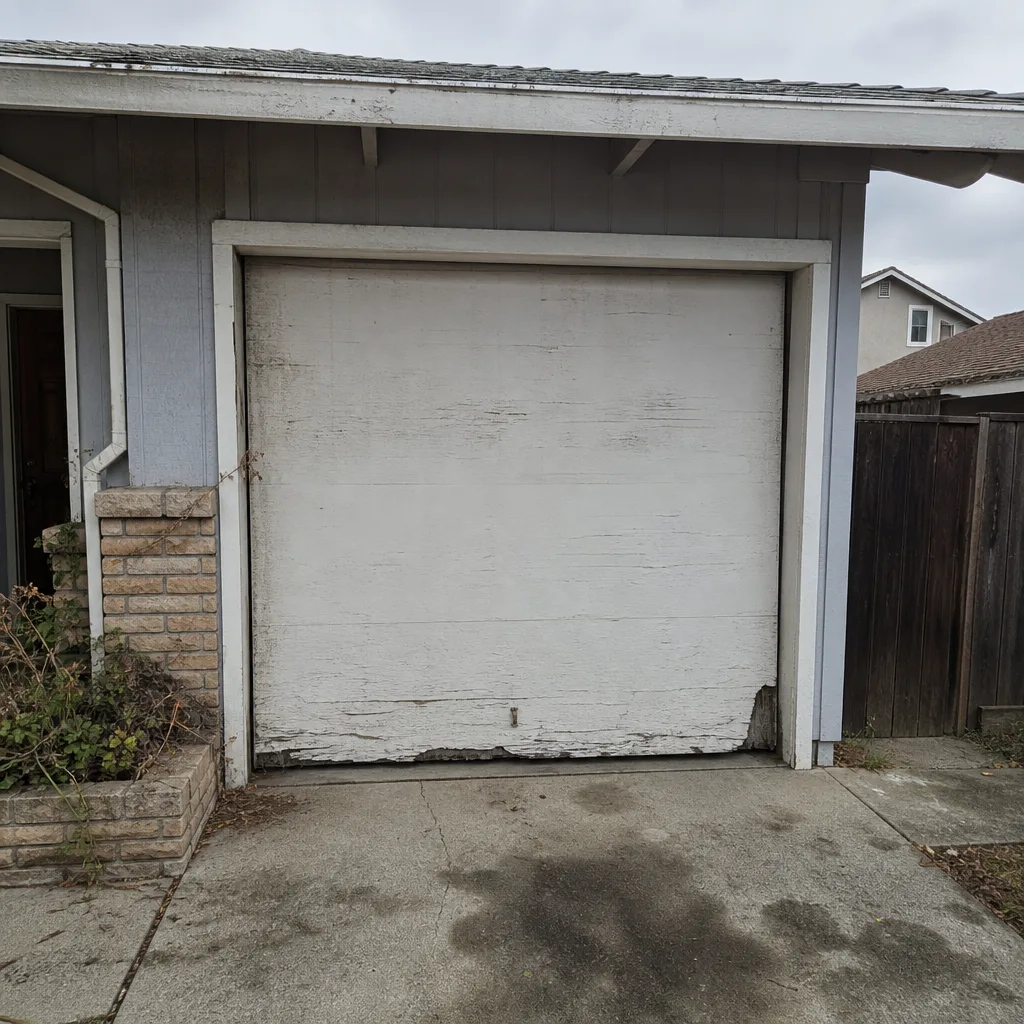 Before
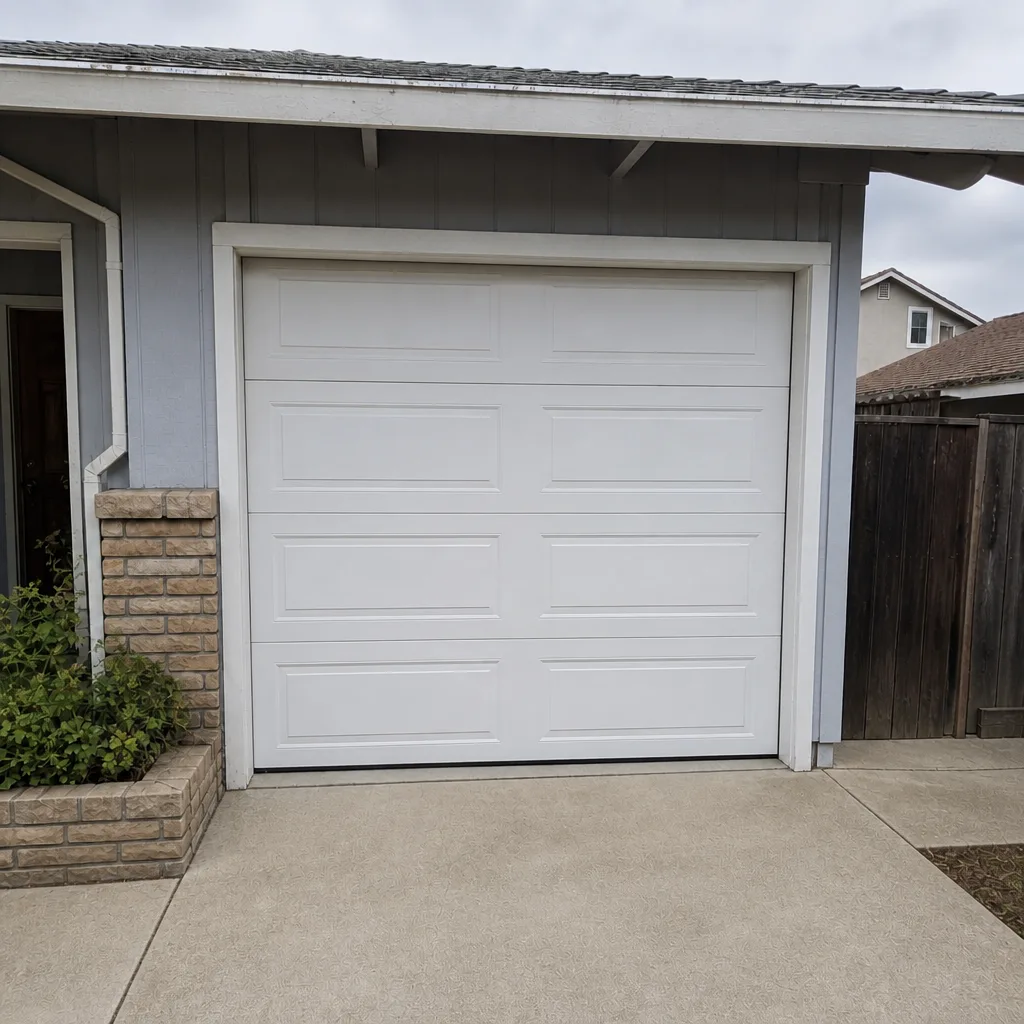 After
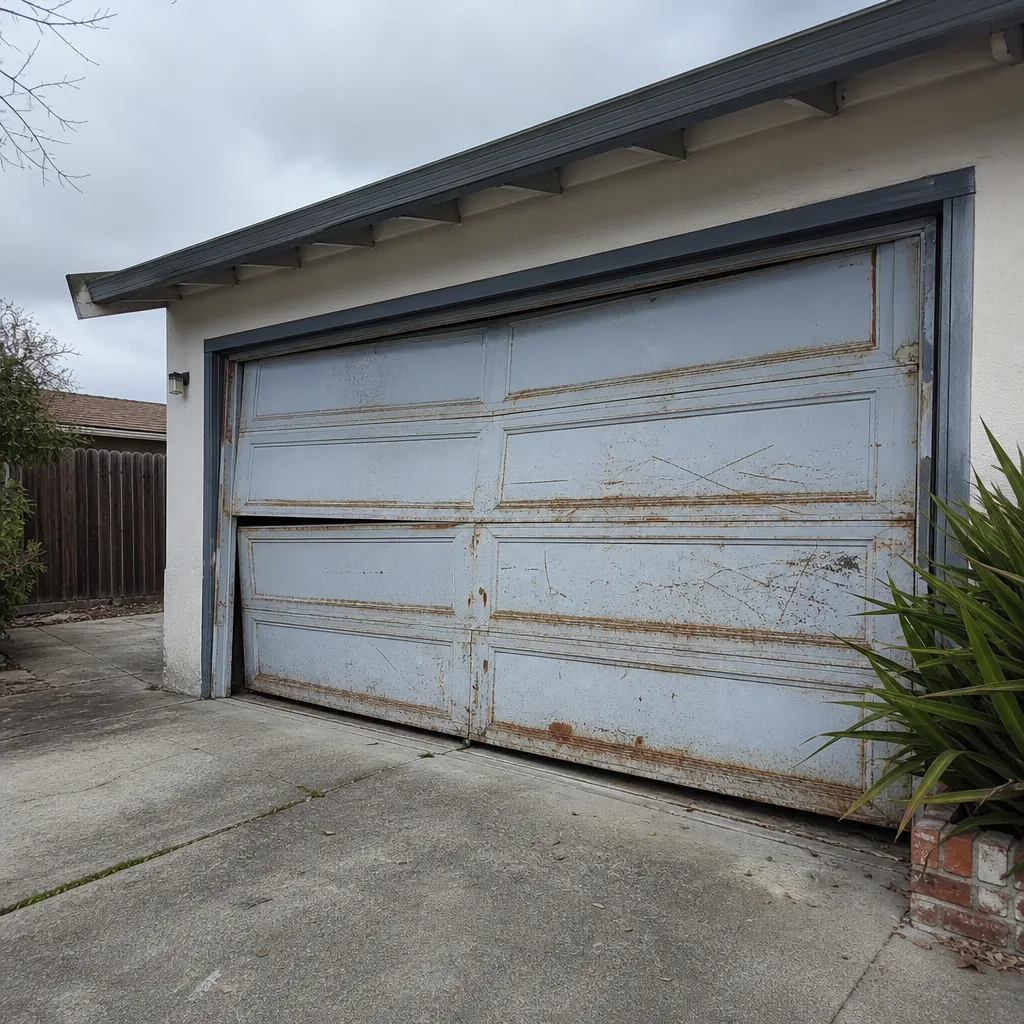 Before
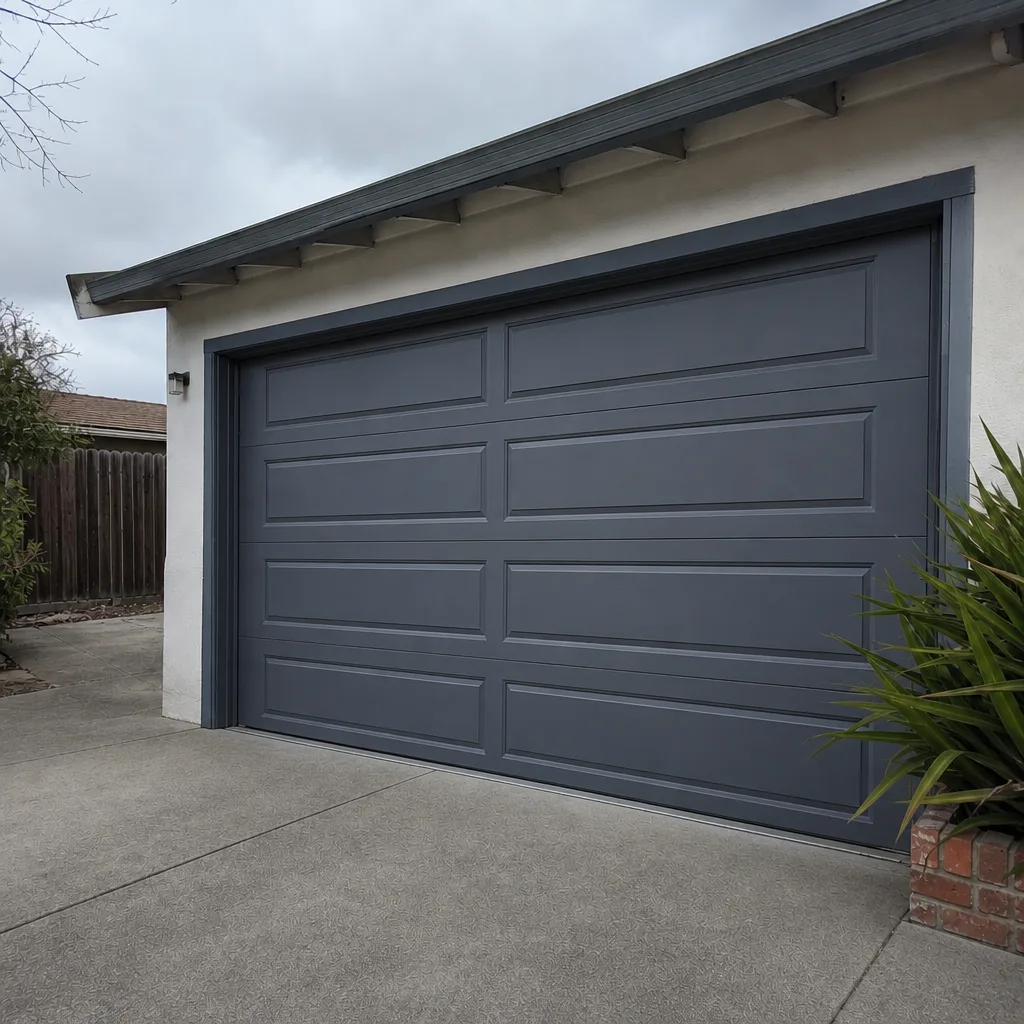 After
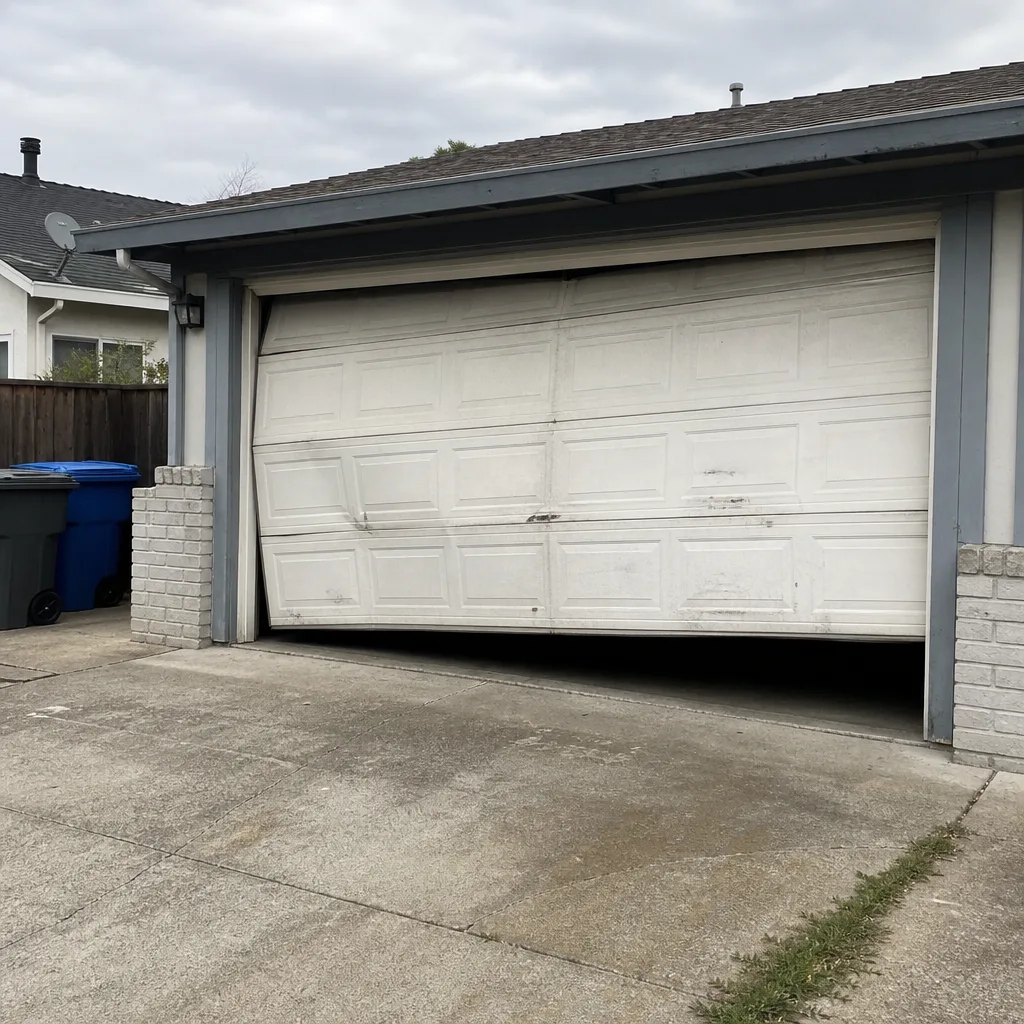 Before
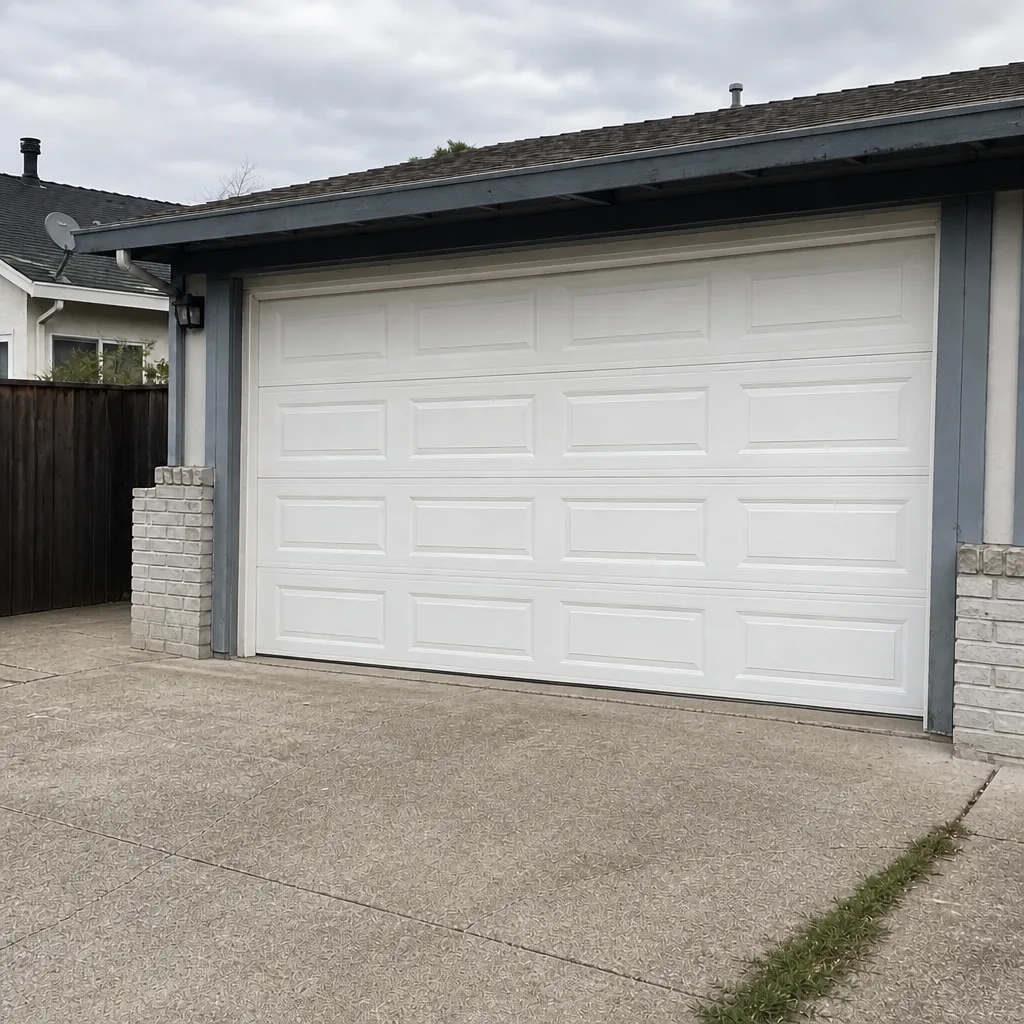 After